x


Museum-quality giclée or canvas print with fast production and flexible finish options.
Pick from our preset sizes that match the artwork's original proportions.

You may enter your own dimensions to fit a specific frame or space. If your selected size does not match the original image's proportions, we will either crop the artwork or extend the image with a mirrored or solid-fill edge. A digital mockup will be sent for your approval before production begins.
Please note that the on-screen preview does not reflect the actual cropping or extension. Only the mockup will accurately show the final composition.
While custom sizes are available, we recommend selecting a dimension from the predefined list to preserve the original proportions.
Worldwide Delivery () in 2 weeks instead of standard 4/5 weeks. (16 July)


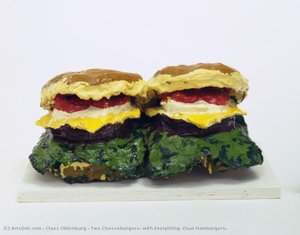
Two Cheeseburgers, with Everything (Dual Hamburgers)
Reproduction Size
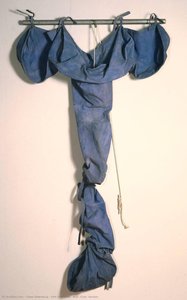
Claes Oldenburg’s “Two Cheeseburgers, with Everything,” created in 1962, stands as a cornerstone of Pop Art and a masterful demonstration of how sculpture can transform the mundane into the monumental. More than just a depiction of a hamburger—a symbol of American consumer culture—the piece embodies Oldenburg's signature approach: confronting grand artistic conventions with playful irreverence and celebrating the commonplace.
Born in Stockholm, Sweden, in 1929, Claes Oldenburg embarked on an artistic journey fueled by Surrealism and Dada’s questioning spirit. He honed his sculptural skills at Yale University before establishing himself as a prominent voice within the burgeoning Pop Art movement alongside fellow innovators like Jim Dine and Allan Kaprow. This collaborative ethos profoundly shaped his creative vision, resulting in groundbreaking installations that blurred the lines between art and architecture.
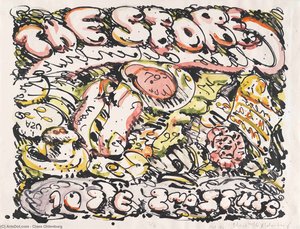
The genesis of “Two Cheeseburgers” occurred during Oldenburg’s ambitious project dubbed “The Store,” which debuted in December 1961 at a modest storefront on Manhattan's Lower East Side. Alongside fellow artists, including Lucas Samaras and Tom Wesselmann, Oldenburg presented three oversized soft sculptures—a hamburger, an ice cream cone, and a cake—each meticulously crafted from burlap soaked in plaster and painstakingly painted with enamel. This deliberate juxtaposition of scale challenged viewers’ perceptions of reality and underscored Oldenburg's fascination with the transformative potential of art.
Technically speaking, Oldenburg employed a technique that prioritized tactile experience alongside visual impact. The sculptures were constructed using chicken wire encased in plaster, creating a robust framework for layering textured surfaces—including lettuce, cheese slices, tomato wedges, and pickles—to mimic the appearance of a fully assembled cheeseburger. This meticulous attention to detail wasn’t merely decorative; it served as a deliberate provocation against the prevailing seriousness of Abstract Expressionism.
Beyond its formal qualities, “Two Cheeseburgers” carries significant symbolic weight. The oversized burger functions as an emblem of American prosperity and indulgence—a deliberately ironic commentary on societal values. Simultaneously, Oldenburg’s choice to represent a familiar food item within the context of monumental sculpture elevates it to the level of art, questioning hierarchies of taste and suggesting that beauty can be found in unexpected places. As Alfred H. Barr Jr., MoMA's founding director noted upon witnessing the installation, Oldenburg’s work was “brilliant,” marking a pivotal moment in redefining artistic boundaries.
The piece’s enduring legacy resides not only in its aesthetic achievements but also in its conceptual boldness—a testament to Oldenburg’s unwavering commitment to exploring humor and absurdity as avenues for artistic expression. Its inclusion in MoMA's collection solidified its place within the canon of 20th-century art, ensuring that “Two Cheeseburgers” continues to inspire contemplation on scale, materiality, and the role of art in shaping our understanding of the everyday world.


1929 - 2022 , Sweden
Explore the fascinating history of Pop Art, from its rebellious origins to its enduring influence on contemporary artists. Discover key figures like Warhol & Lichtenstein and learn about collecting this iconic movement.
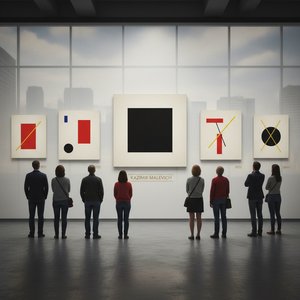
Explore the revolutionary art of Kazimir Malevich & his groundbreaking Suprematism movement. Discover the origins, core principles, and lasting impact of this pivotal force in modern abstract painting.
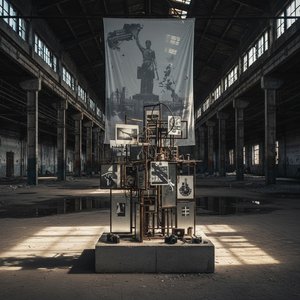
Explore the compelling work of Ukrainian artist Pavlo Makov, renowned for his conceptual photography deconstructing Soviet legacy. Discover his unique artistic process and investment potential.
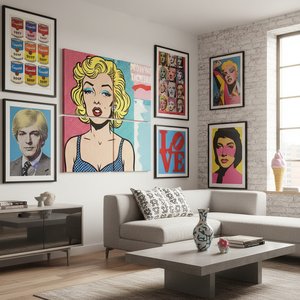
Explore 10 defining Pop Art masterpieces – from Warhol’s iconic Marilyn to Lichtenstein's bold dots. Discover the stories behind these revolutionary artworks & find museum-quality reproductions for your home at .
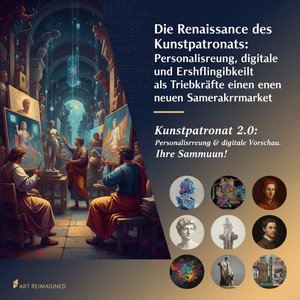
Discover how the digital age is transforming art patronage. Explore collecting trends, investment insights & expert guidance from BuyPopArt.com – museum-quality reproductions & custom artwork.


Stay updated with the latest art news, exclusive offers, and decoration ideas.
Tell us about your project and our art experts will provide you with 3 personalized art suggestions.
Let Us Curate 3 Options Just for You - Free!


 Buy Painting
 Send
Send Share
Share
 Details

 Download
 Similars
 X-Ray
X-Ray Diaporama


 Read More
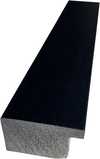
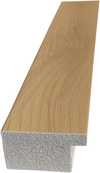
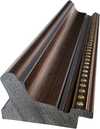
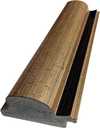
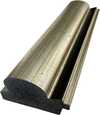
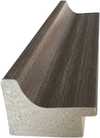
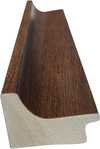
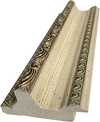
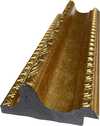
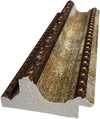
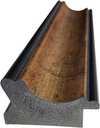
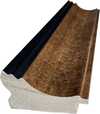
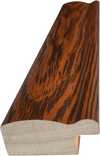
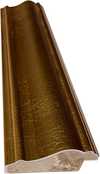
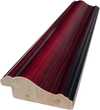
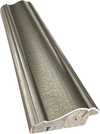
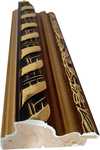
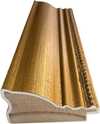
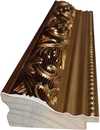
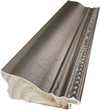
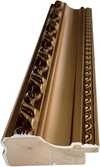
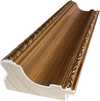
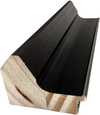
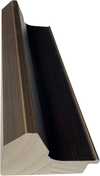
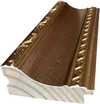
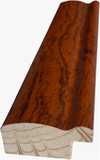
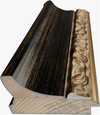
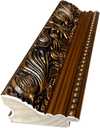
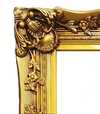
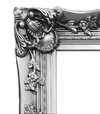
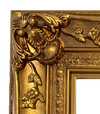
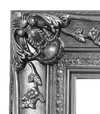
 Glass option is only available in size under 110 CM