x

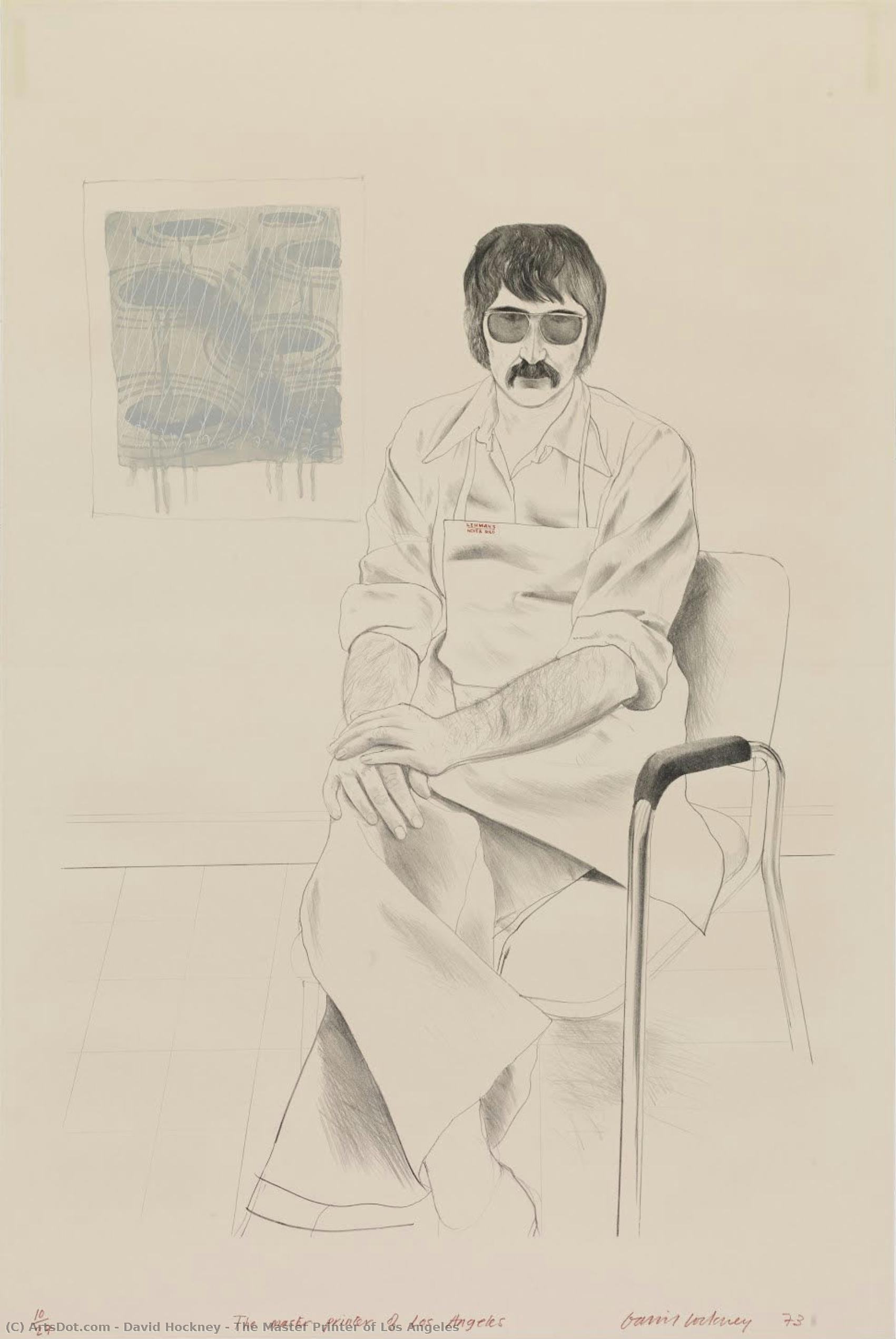
 Acrylic On PaperOtherPop Art
 1973Contemporary
 21.0 x 81.0 cm
 de Young Museum
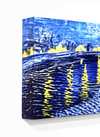
Hand-painted oil on canvas in your size and frame, made to order by our artists.
Pick from our preset sizes that match the artwork's original proportions.

You may enter your own dimensions to fit a specific frame or space. If your selected size does not match the original image's proportions, we will either crop the artwork or extend the painting with additional hand-painted elements. A digital mockup will be sent for your approval before production begins.
Please note that the on-screen preview does not reflect the actual cropping or extension. Only the mockup will accurately show the final composition.
While custom sizes are available, we recommend selecting a dimension from the predefined list to preserve the original proportions.
Worldwide Delivery () in 3/4 weeks instead of standard 5 weeks. (16 July). No compromise on quality.


The Master Printer of Los Angeles
Reproduction Size
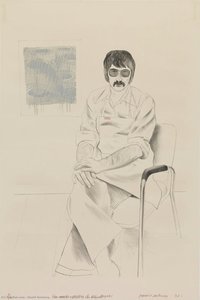
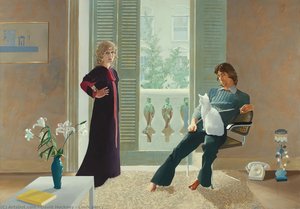
David Hockney’s “The Master Printer of Los Angeles,” created in 1973, isn't merely a depiction of a man seated in contemplation; it’s a carefully constructed tableau brimming with symbolic weight and reflecting the burgeoning art scene of Southern California. The image, rendered in stark black and white lithograph and screenprint on Arches Cover mould-made paper, immediately draws the eye to Hockney’s central figure – a man radiating an almost unnerving stillness, shielded by the broad brim of his sunglasses. This isn't a portrait of celebrity or power; rather, it feels like a study in solitude, a quiet observation of a pivotal moment in artistic history.
The setting itself is crucial to understanding the work’s resonance. The man sits within a modestly furnished room – a chair, a clock, and a subtle suggestion of a wall – creating an intimate space that feels both familiar and slightly unsettling. The inclusion of the clock, with its hands frozen at a specific time, hints at a captured moment, a pause in the relentless flow of time itself. The muted palette, dominated by grays and blacks, amplifies this sense of stillness, evoking the quality of light found in the desert landscape – a characteristic that would become increasingly important to Hockney’s later work.
The central figure is undeniably enigmatic. His posture, his gaze directed slightly off-camera, and the cigarette held casually in his hand immediately invite interpretation. He embodies the archetype of the solitary artist – a figure wrestling with ideas, confronting challenges, and ultimately shaping beauty from raw materials. Some art historians suggest he represents Clyde Browne, a master printer who worked in Los Angeles during the Arroyo culture movement of the early 20th century, a period marked by experimental printmaking techniques and a vibrant artistic community. Hockney’s deliberate choice to portray Browne – a skilled craftsman operating largely outside the mainstream – speaks volumes about his admiration for this often-overlooked figure.
The cigarette itself is a potent symbol. It represents not just habit, but also the creative process—the burning away of the unnecessary, the distillation of ideas into something tangible and new. It’s a visual metaphor for the artist's struggle to find clarity amidst complexity, a common experience for any creator.
“The Master Printer of Los Angeles” is a testament to Hockney’s mastery of lithography and screenprinting. The stark contrasts between light and shadow are achieved through careful layering and manipulation of ink, creating a remarkable sense of depth and texture. The use of Arches Cover paper – renowned for its archival quality and subtle sheen – further enhances the work's visual impact. This particular print was created as part of a series exploring the role of master printers in the art world, commissioned by Walker Art Center.
Created during a period of significant artistic experimentation in Los Angeles, this piece reflects the city’s burgeoning reputation as a hub for avant-garde art and design. Hockney's work aligns with the broader trends of Pop Art and Minimalism, while simultaneously retaining a distinctly personal and introspective quality. The print’s stark aesthetic and focus on simple forms anticipate many of the themes that would dominate his later career.
Beyond its technical brilliance, “The Master Printer of Los Angeles” resonates with profound emotional depth. It captures a moment of quiet contemplation—a pause in the relentless pursuit of artistic expression. The man’s gaze, directed just beyond the viewer's perspective, suggests a sense of detachment and introspection, inviting us to consider our own relationship to art and creativity. The image evokes feelings of solitude, reflection, and perhaps even a touch of melancholy – a poignant reminder of the sacrifices and challenges inherent in the artist’s life.
Reproductions of this iconic work offer a captivating glimpse into Hockney's artistic vision and the vibrant cultural landscape of 1970s Los Angeles. It remains a powerful testament to the enduring legacy of master printers and their crucial role in shaping the world of art.
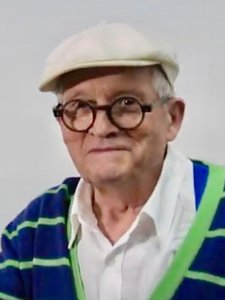
1937 - , United Kingdom
Explore 10 legendary lithographs by Toulouse-Lautrec, Munch & Picasso that redefined art! Discover the stories behind these iconic prints and find museum-quality reproductions for your home decor at BuyPopArt.com. Explore the full collection online.

Explore the captivating history of angels in art! Discover symbolism, iconic Renaissance masterpieces & renowned artists. Expert insights for art lovers & collectors at BuyPopArt.
Explore the captivating world of Paul Klee! Discover his innovative art, Bauhaus influence, & unique symbolic language. Expert analysis & high-quality reproductions at BuyPopArt.
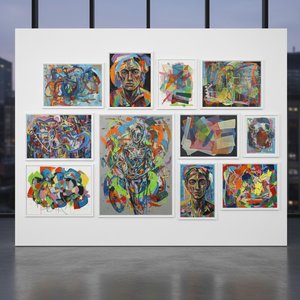
Explore 10 legendary acrylic paintings that revolutionized modern art! From Helen Frankenthaler's color fields to Richter’s abstract power, discover the stories behind these iconic masterpieces. Find museum-quality reproductions & elevate your home decor on BuyPopArt.com.
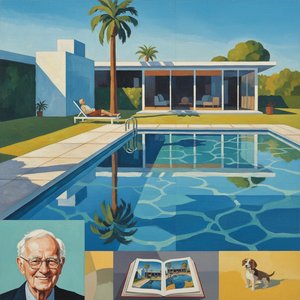
Explore the life & work of David Hockney, Pop Art's master chronicler. Discover his iconic paintings, Californian landscapes, and lasting influence on modern art. Expert analysis for collectors.


Stay updated with the latest art news, exclusive offers, and decoration ideas.
Tell us about your project and our art experts will provide you with 3 personalized art suggestions.
Let Us Curate 3 Options Just for You - Free!


 Buy print
 Send
Send Share
Share
 Details

 Download
 Similars
 X-Ray
X-Ray Diaporama
 Read More
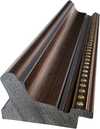
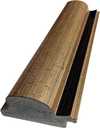
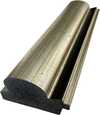
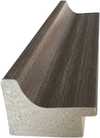
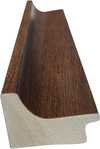
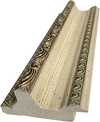
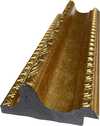
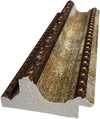
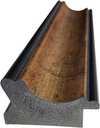
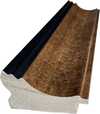
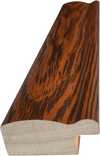
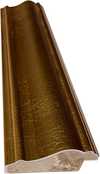
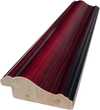
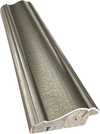
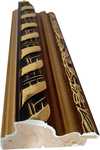
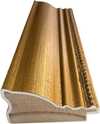
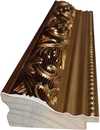
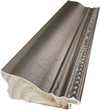
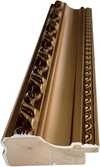
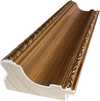
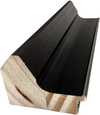
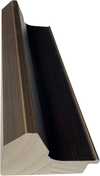
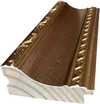
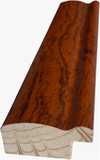
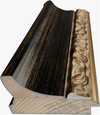
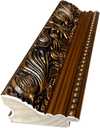
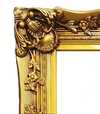
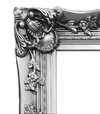
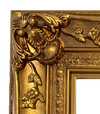
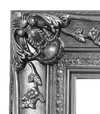
 Glass option is only available in size under 110 CM