x


 Oil On CanvasWallArtPost-Impressionism
 1908Modern
 180.0 x 220.0 cm
 Hermitage Museum
Hand-painted oil on canvas in your size and frame, made to order by our artists.





























Pick from our preset sizes that match the artwork's original proportions.

You may enter your own dimensions to fit a specific frame or space. If your selected size does not match the original image's proportions, we will either crop the artwork or extend the painting with additional hand-painted elements. A digital mockup will be sent for your approval before production begins.
Please note that the on-screen preview does not reflect the actual cropping or extension. Only the mockup will accurately show the final composition.
While custom sizes are available, we recommend selecting a dimension from the predefined list to preserve the original proportions.
Worldwide Delivery () in 3/4 weeks instead of standard 5 weeks. (16 July). No compromise on quality.


Harmony in Red
Reproduction Size
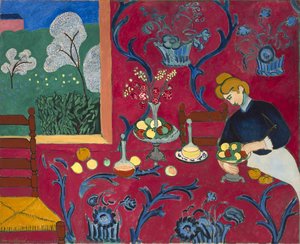
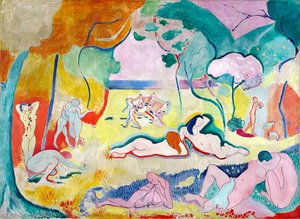
Created in 1908, this iconic artwork exemplifies Henri Matisse’s revolutionary approach to color and form, marking a pivotal moment in the development of modern art. More than just an interior scene, it's a carefully orchestrated “harmony” designed to evoke a specific emotional response through its bold aesthetic choices.
Falling squarely within the Post-Impressionist movement – and foreshadowing Matisse’s pivotal role in Fauvism – this piece departs dramatically from traditional representational painting. Instead of striving for photographic realism, Matisse prioritizes the expressive power of color and simplified forms. The flattened perspective, patterned surfaces, and deliberate rejection of conventional shading create a distinctly modern visual language.
The composition depicts a woman seated at a table, engaged in the simple act of peeling an orange. A still life arrangement with fruit anchors the foreground, while a glimpse of greenery through the window suggests the world beyond. However, this is not merely a snapshot of everyday life; it’s a carefully constructed tableau where objects and colors are imbued with symbolic meaning. The abundance of fruit hints at prosperity and vitality, while the woman's contemplative pose invites introspection.
Matisse employs a technique reminiscent of Pointillism or Divisionism, applying small strokes of pure color that optically blend when viewed from a distance. This creates a shimmering, textured effect that enhances the vibrancy of the palette. The dominant shades of red – ranging from deep magenta to rose – are contrasted with cool greens and blues, resulting in a dynamic interplay of warm and cool tones. Notice how the wallpaper isn’t simply *background* but an integral part of the composition, almost competing for attention with the figures.
This artwork emerged during a period of significant artistic experimentation. Matisse was challenging established norms, seeking to liberate color from its descriptive function and use it as a purely expressive element. Originally titled “Harmony in Blue,” the artist deliberately altered the background to red, demonstrating his commitment to exploring the emotional impact of color itself. This work paved the way for his later explorations of bold color fields and simplified forms, solidifying his position as a leading figure in modern art.
Beyond its technical brilliance and historical significance, this artwork possesses a unique emotional resonance. The overall mood is one of peacefulness tinged with melancholy – a quiet intimacy that draws the viewer into the scene. Its bold colors and decorative patterns make it an ideal statement piece for modern interiors, adding a touch of sophistication and artistic flair to any space. A reproduction captures not only the visual beauty but also the spirit of innovation that defines Matisse’s legacy.
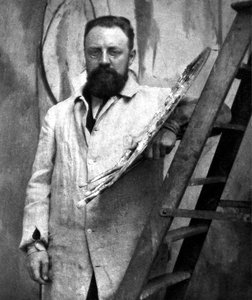
1869 - 1954 , France

Journey through Post-Impressionism's 10 defining masterpieces – Van Gogh, Monet & more. Explore iconic paintings, art history & find museum-quality reproductions for your home at . Discover all masterpieces online!
Commission a breathtaking hyperrealistic still life painting with BuyPopArt. Preserve cherished culinary moments as timeless heirlooms. Museum-quality craftsmanship, personalized service & a lasting legacy for your home.
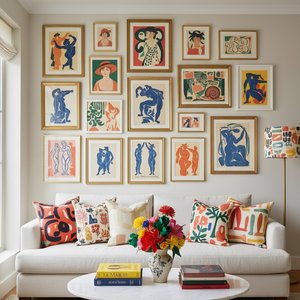
Journey through Henri Matisse's 25 most iconic paintings! Explore Fauvism, vibrant colors & the stories behind masterpieces like 'The Dance'. Find museum-quality art reproductions and curated decor ideas to elevate your space. Discover all masterpieces on BuyPopArt.com.

Explore the nuances of Impressionism & Post-Impressionism with . Expert insights for collectors on style, investment, and acquiring museum-quality reproductions.

Journey into the Dutch Golden Age! Explore 10 iconic paintings by Rembrandt, Vermeer & Hals. Discover the stories behind these Baroque masterpieces and find museum-quality art reproductions to elevate your home decor on .


Stay updated with the latest art news, exclusive offers, and decoration ideas.
Tell us about your project and our art experts will provide you with 3 personalized art suggestions.
Let Us Curate 3 Options Just for You - Free!


 Buy print
 Send
Send Share
Share
 Details

 Download
 Similars
 X-Ray
X-Ray Diaporama
 Read More







 Glass option is only available in size under 110 CM