x


Hand-painted oil on canvas in your size and frame, made to order by our artists.





























Pick from our preset sizes that match the artwork's original proportions.

You may enter your own dimensions to fit a specific frame or space. If your selected size does not match the original image's proportions, we will either crop the artwork or extend the painting with additional hand-painted elements. A digital mockup will be sent for your approval before production begins.
Please note that the on-screen preview does not reflect the actual cropping or extension. Only the mockup will accurately show the final composition.
While custom sizes are available, we recommend selecting a dimension from the predefined list to preserve the original proportions.
Worldwide Delivery () in 3/4 weeks instead of standard 5 weeks. (16 July). No compromise on quality.


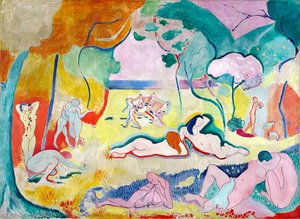
Le bonheur de vivre (The Joy of Life) -
Reproduction Size
Henri Matisse’s Le bonheur de vivre (The Joy of Life), painted in 1906, is a landmark achievement in early modern art and a cornerstone of the Fauvist movement. This monumental canvas transcends mere representation, offering instead a vibrant and dreamlike vision of human connection with nature and an unrestrained embrace of sensual pleasure.
Emerging from the artistic ferment of post-Impressionism, Le bonheur de vivre boldly rejects traditional perspective and naturalistic color. Matisse, alongside artists like André Derain, employed intensely vivid, non-local colors – a hallmark of Fauvism (“wild beasts”). This deliberate distortion wasn’t about replicating reality but expressing emotion and creating a purely visual experience. The painting caused a sensation (and some scandal) at the 1906 Salon des Indépendants, challenging conventional artistic norms and paving the way for further abstraction in 20th-century art.
The composition depicts a gathering of nude figures within a lush, stylized landscape. Often interpreted as a modern bacchanal or inspired by classical mythology – specifically Agostino Carracci’s engraving of “Love in the Golden Age” – the scene isn't narrative-driven but rather evokes a sense of ritualistic play and joyful abandon. Figures recline, dance, and interact with an ethereal quality, suggesting both earthly delight and spiritual connection. The ambiguity invites viewers to project their own interpretations onto the work.
Matisse’s technique is characterized by flattened forms, bold outlines, and a deliberate simplification of shapes. He utilizes broken color – applying small dashes or dots reminiscent of Pointillism – but prioritizes expressive impact over optical blending. The pastel palette of pinks, greens, blues, and yellows creates a luminous atmosphere, while carefully chosen complementary colors generate visual vibrancy. Diagonal lines and overlapping planes contribute to a dynamic yet harmonious composition.
Beyond its aesthetic qualities, Le bonheur de vivre embodies a profound yearning for freedom, sensuality, and the restorative power of nature. The nude figures symbolize innocence and uninhibited joy, while the idyllic landscape represents an escape from the constraints of modern life. The painting’s enduring appeal lies in its ability to evoke feelings of tranquility, optimism, and a deep appreciation for the simple pleasures of existence.
This iconic artwork is more than just a historical masterpiece; it's a powerful statement piece that can transform any interior. Its vibrant colors and dynamic composition bring energy and sophistication to living spaces, while its underlying themes of joy and liberation inspire contemplation and uplift the spirit. A reproduction of Le bonheur de vivre serves as a constant reminder to embrace life’s beauty and find happiness in the present moment.
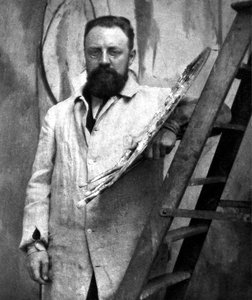
1869 - 1954 , France

Explore the revolutionary Fauvist movement of 1905! Discover Matisse, Derain & Vlaminck’s bold use of color and expressive brushwork. Learn about this pivotal moment in art history with BuyPopArt.

Explore Orphism, the vibrant abstract art movement pioneered by Robert & Sonia Delaunay. Discover its unique color theory, lasting influence on modern art, and how to bring this 'symphony of color' into your home with BuyPopArt.
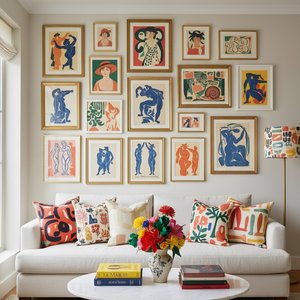
Journey through Henri Matisse's 25 most iconic paintings! Explore Fauvism, vibrant colors & the stories behind masterpieces like 'The Dance'. Find museum-quality art reproductions and curated decor ideas to elevate your space. Discover all masterpieces on BuyPopArt.com.

Explore 10 Fauvist masterpieces by Matisse, Derain & Vlaminck that ignited Modern Art! Discover bold colors, expressionist landscapes & the history of this revolutionary movement. Find museum-quality prints at BuyPopArt.com.
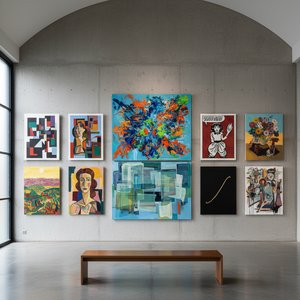
Explore 10 legendary 'Acrylic On Canvas' masterpieces by artists like Rothko, Warhol & Frankenthaler. Discover the stories behind these iconic paintings and their impact on modern art. Find museum-quality reproductions at – elevate your home with timeless beauty.


Stay updated with the latest art news, exclusive offers, and decoration ideas.
Tell us about your project and our art experts will provide you with 3 personalized art suggestions.
Let Us Curate 3 Options Just for You - Free!


 Buy print
 Send
Send Share
Share
 Details

 Download
 Similars
 X-Ray
X-Ray Diaporama

 Read More







 Glass option is only available in size under 110 CM