x


Hand-painted oil on canvas in your size and frame, made to order by our artists.
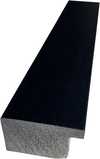
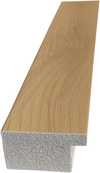
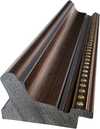
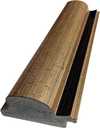

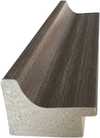
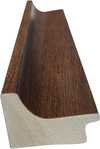
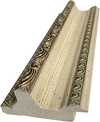
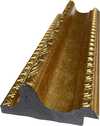
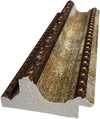
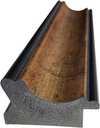
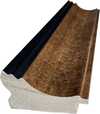
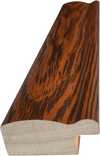

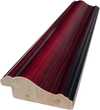
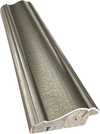
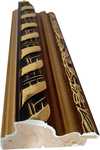

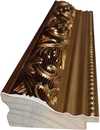
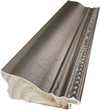
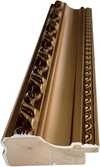

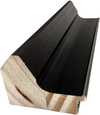
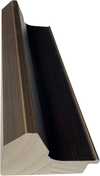

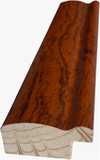
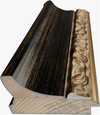
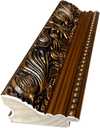
Pick from our preset sizes that match the artwork's original proportions.

You may enter your own dimensions to fit a specific frame or space. If your selected size does not match the original image's proportions, we will either crop the artwork or extend the painting with additional hand-painted elements. A digital mockup will be sent for your approval before production begins.
Please note that the on-screen preview does not reflect the actual cropping or extension. Only the mockup will accurately show the final composition.
While custom sizes are available, we recommend selecting a dimension from the predefined list to preserve the original proportions.
Worldwide Delivery () in 3/4 weeks instead of standard 5 weeks. (16 July). No compromise on quality.


Tennyson
Reproduction Size
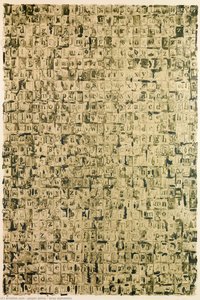
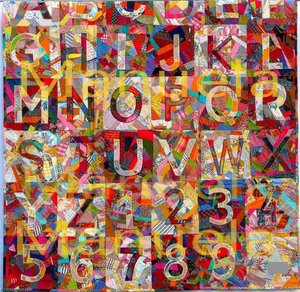
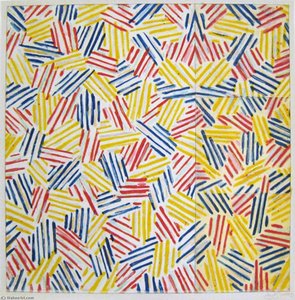
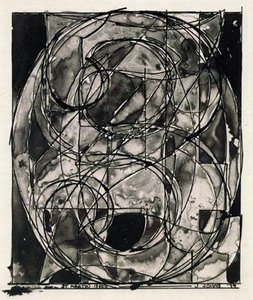
Jasper Johns’ “Tennyson,” completed in 1959 during the height of Abstract Expressionism, isn’t merely a painting; it’s an invitation into a realm where recognizable forms dissolve into evocative suggestion. This monumental canvas embodies the spirit of its era—a reaction against the emotionally charged canvases of artists like Pollock and Rothko—yet simultaneously anticipates the stylistic innovations that would characterize Pop Art.
Unlike the sprawling, gestural brushstrokes synonymous with Abstract Expressionism, Johns’ approach to “Tennyson” is characterized by a deliberate restraint. The painting utilizes a predominantly dark background—a deep charcoal gray—creating an atmosphere of profound stillness. However, this apparent simplicity belies a meticulous technique. Johns employs encaustic wax mixed with pigment, layering thin sheets of wax onto the canvas and fusing them together under intense heat. This process lends the artwork a remarkable textural quality – subtle ridges and depressions emerge from the surface, hinting at hidden depths.
“Tennyson” emerged from a period marked by significant upheaval—the Korean War disrupted Johns’ artistic pursuits and instilled in him a heightened awareness of geopolitical realities. Simultaneously, it represented an audacious challenge to the prevailing aesthetic conventions of the time. Artists like Pollock had championed spontaneity and improvisation, prioritizing emotion over intellectual consideration. Johns countered this trend with his unwavering commitment to precision and control, reflecting a broader philosophical shift toward rational inquiry.
The painting's title references Alfred Lord Tennyson’s poem “In Memoriam A Lay of Remembrance,” which explores themes of grief, loss, and the enduring power of memory. Johns deliberately avoids explicit representation—there are no discernible figures or landscapes—instead opting for a visual language that speaks to these poetic concepts. The dark background symbolizes sorrow and obscurity, while the textured surface embodies the fragmented nature of remembrance – impressions linger beneath the surface like echoes of past experiences.
"Tennyson" doesn’t demand immediate gratification; it invites contemplation. Its subdued palette and meticulous technique encourage viewers to slow down, to absorb its atmosphere, and to engage in a dialogue with its underlying symbolism. Ultimately, the painting succeeds in conveying a profound sense of melancholy—a quiet acknowledgement of life's inevitable sorrows—but also hints at an enduring capacity for resilience and beauty. It’s a testament to Johns’ ability to transform abstract concepts into emotionally resonant visual experiences.
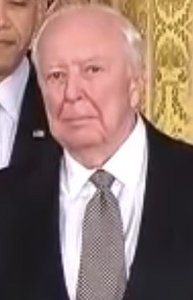
1930 - , United States of America

Explore the power of black, white & gray abstraction in modern interior design. Discover how minimalist art impacts spatial perception & creates sophisticated hotel spaces. Expert insights for designers.

Explore 25 iconic artworks by Kazimir Malevich, pioneer of Suprematism & abstract art. Discover the stories behind 'Black Square' and more! Find museum-quality prints & elevate your home decor with BuyPopArt.com.
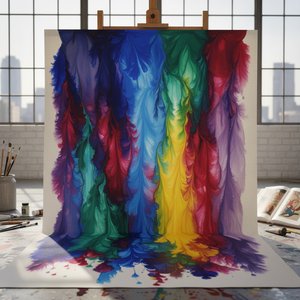
Explore the groundbreaking abstract expressionism of Morris Louis, a pioneer of Color Field painting. Discover his innovative techniques, influential series & lasting legacy in post-war American art. Learn more at BuyPopArt.
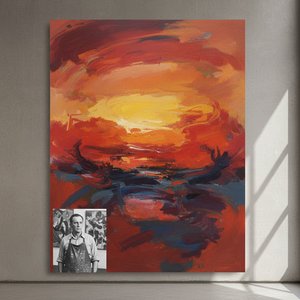
Explore the life & work of Jacob Kainen, a pivotal figure in American Abstract Expressionism and Color Field painting. Discover his journey from Social Realism to vibrant abstraction and lasting influence on 20th-century art.
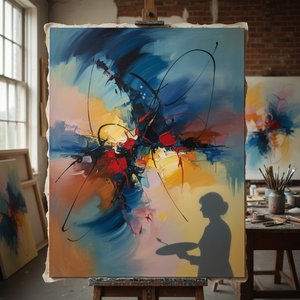
Explore the captivating world of Beatrice Parsons, a pioneering British abstract expressionist. Discover her journey from garden watercolors to evocative color field paintings and learn about her place within art history.


Stay updated with the latest art news, exclusive offers, and decoration ideas.
Tell us about your project and our art experts will provide you with 3 personalized art suggestions.
Let Us Curate 3 Options Just for You - Free!


 Buy print
 Send
Send Share
Share
 Details

 Download
 Similars
 X-Ray
X-Ray Diaporama

 Read More

 Glass option is only available in size under 110 CM