x


Hand-painted oil on canvas in your size and frame, made to order by our artists.
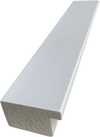
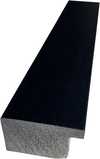
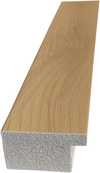
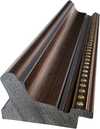
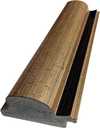
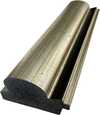
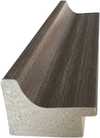
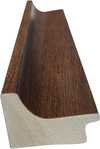
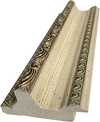
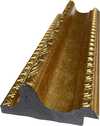
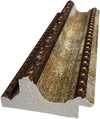
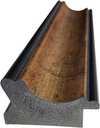
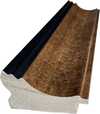

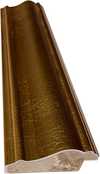
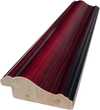
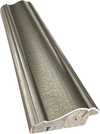
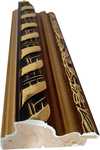
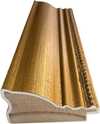
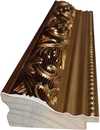
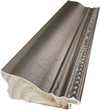
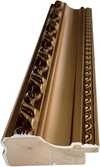
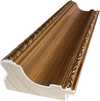
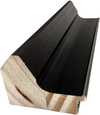
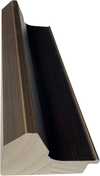
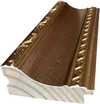
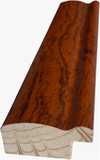
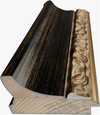
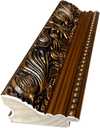
Pick from our preset sizes that match the artwork's original proportions.

You may enter your own dimensions to fit a specific frame or space. If your selected size does not match the original image's proportions, we will either crop the artwork or extend the painting with additional hand-painted elements. A digital mockup will be sent for your approval before production begins.
Please note that the on-screen preview does not reflect the actual cropping or extension. Only the mockup will accurately show the final composition.
While custom sizes are available, we recommend selecting a dimension from the predefined list to preserve the original proportions.
Worldwide Delivery () in 3/4 weeks instead of standard 5 weeks. (16 July). No compromise on quality.


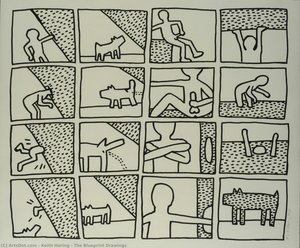
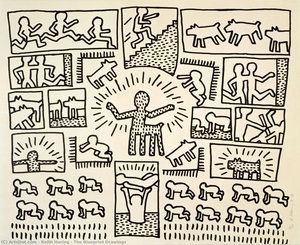
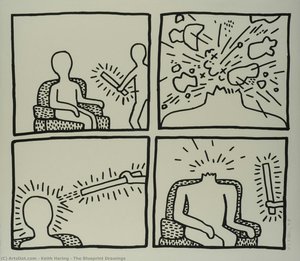
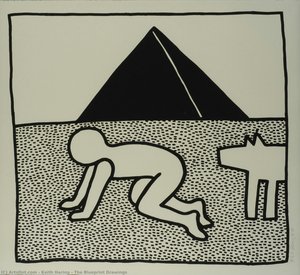
The Blueprint Drawings
Reproduction Size

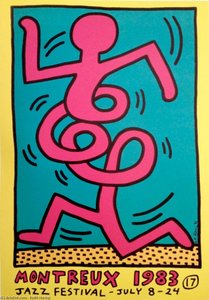
Keith Allen Haring, a name inextricably linked to the vibrant pulse of 1980s New York City, was far more than simply an artist; he was a cultural phenomenon. Born on May 4, 1958, in Reading, Pennsylvania, his artistic journey didn’t begin within the formal confines of academic training but rather amidst the playful landscapes of childhood imagination. Influenced by the whimsical cartoons of Walt Disney and Dr. Seuss alongside the classic comic strips of Charles Schulz, young Keith developed a keen eye for visual storytelling. His father, Allan Haring, an amateur cartoonist himself, nurtured this early passion, unknowingly laying the foundation for a revolutionary artistic voice. This formative period instilled in Haring a love for bold lines, simplified forms, and narratives accessible to all – qualities that would come to define his signature style. A brief stint at the Ivy School of Professional Art in Pittsburgh proved stifling; he yearned for direct, personal expression, inspired by Robert Henri’s *The Art Spirit*, embarking on a path of self-discovery determined to forge his own visual language.
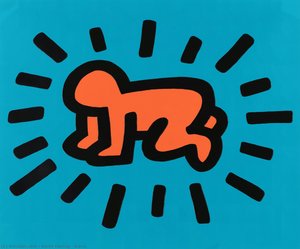
Moving to New York City in the late 1970s proved pivotal. The city's downtown art scene was a crucible of creativity, and Haring quickly immersed himself within it, befriending artists like Kenny Scharf and Jean-Michel Basquiat. However, he wasn’t content confining his work to galleries or studios. Instead, he took his art directly to the people, utilizing unused advertising panels in New York City subway stations as his canvas. Using white chalk on black matte paper, Haring created a continuous stream of dynamic figures and symbols – barking dogs, radiant babies, dancing figures – that captivated commuters and transformed the mundane into moments of artistic encounter. These “subway drawings” weren’t acts of vandalism; they were gifts to the public, spontaneous expressions of life and energy. This bold move established him as a unique voice in the burgeoning street art movement, bypassing traditional gatekeepers and connecting directly with his audience. It was here that Haring truly began to develop his iconic visual vocabulary, one characterized by its accessibility, optimism, and underlying social commentary. The radiant baby, perhaps his most recognizable motif, emerged during this period – a symbol of innocence, purity, and the preciousness of life.
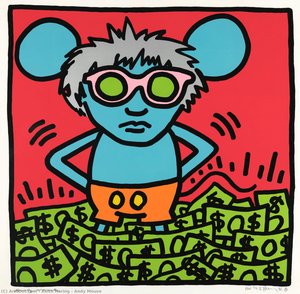
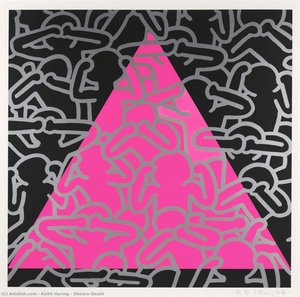
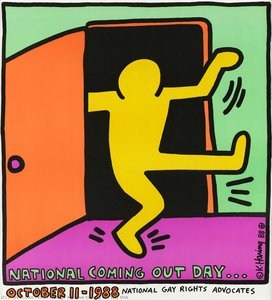
As Haring’s fame grew throughout the 1980s, so did his commitment to using art as a vehicle for social change. His work increasingly addressed pressing issues of the time – the AIDS epidemic, drug abuse, racial inequality, and political oppression. The stark mural *Crack is Wack* (1986), painted on a handball court in Harlem, became an iconic symbol of the city’s struggle with the crack cocaine crisis. He designed posters advocating for safe sex practices during the height of the AIDS epidemic, using his vibrant imagery to deliver crucial public health messages. His activism extended beyond national borders; he created a *Free South Africa* poster in 1985 and, in 1986, painted a section of the Berlin Wall – a powerful statement against division and oppression. Haring’s association with Andy Warhol further solidified his place within the art world, leading to collaborations like "Andy Mouse," a playful yet poignant commentary on pop culture and celebrity. He understood that art had the power to transcend boundaries, spark dialogue, and inspire action.
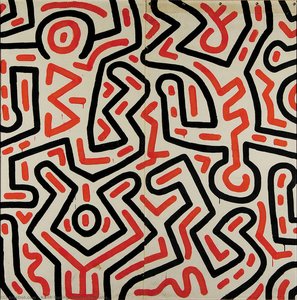
Despite his untimely death from AIDS-related complications on February 16, 1990, at the age of 31, Keith Haring’s legacy continues to resonate today. His work is celebrated not only for its aesthetic appeal but also for its unwavering commitment to social justice and human connection. The Nakamura Keith Haring Collection in Hokuto, Japan, stands as a testament to his global impact, housing an extensive collection of his drawings, paintings, and sculptures. Museums worldwide showcase his murals and artwork, ensuring that his message reaches new generations. His *Blueprint Drawings*, with their striking black-and-white depictions of falling figures, exemplify his ability to convey complex emotions through simple forms. Haring’s influence can be seen in contemporary street art, graphic design, and popular culture. He demonstrated that art could be both accessible and profound, playful and politically charged.
He proved that a single line, wielded with intention and passion, could change the world. His work remains a powerful reminder of the importance of using creativity as a force for good, inspiring artists and activists alike to speak truth to power and advocate for a more just and equitable future. Exploring Haring’s world offers a deeper understanding of his vision; resources like The Keith Haring Foundation (haring.com) provide an extensive archive of his work and insights into his artistic process. His legacy isn't merely a collection of images, but an invitation to engage with the world around us, question assumptions, and embrace art as a catalyst for change.
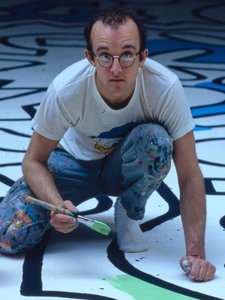
1958 - 1990 , United States of America
Elevate your home with sophisticated Pop Art! Discover expert curation tips, investment potential & authentic reproductions from BuyPopArt. Transform your space into a vibrant gallery.

Discover enduring interior aesthetics inspired by Renaissance artistry, Impressionist light & Pop Art vibrancy. Expert guidance for creating timeless, luxury homes. Explore art curation & design principles.
Explore the evolution of street art from rebellious origins to a respected fine art form. Discover key artists like Banksy & learn how to collect urban art with confidence. Expert insights for discerning investors.
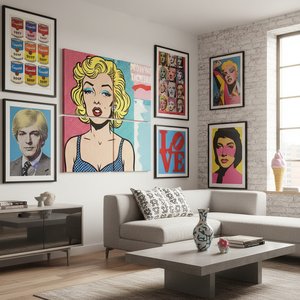
Explore 10 defining Pop Art masterpieces – from Warhol’s iconic Marilyn to Lichtenstein's bold dots. Discover the stories behind these revolutionary artworks & find museum-quality reproductions for your home at .

Elevate your luxury villa with vibrant Pop Art! Discover expert curation tips, museum-quality reproductions & bespoke commissions at BuyPopArt. Transform your space today.


Stay updated with the latest art news, exclusive offers, and decoration ideas.
Tell us about your project and our art experts will provide you with 3 personalized art suggestions.
Let Us Curate 3 Options Just for You - Free!


 Buy print
 Send
Send Share
Share
 Details

 Download
 Similars
 X-Ray
X-Ray Diaporama


 Read More

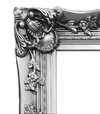
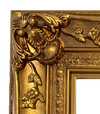
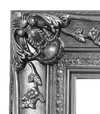
 Glass option is only available in size under 110 CM