Acrylic On CanvasWallArtExpressionism
 1910
1910 34.0 x 24.0 cm
Museum-quality giclée or canvas print with fast production and flexible finish options. ( Buy Hand Made Painting Buy Image)





























Pick from our preset sizes that match the artwork's original proportions.

You may enter your own dimensions to fit a specific frame or space. If your selected size does not match the original image's proportions, we will either crop the artwork or extend the image with a mirrored or solid-fill edge. A digital mockup will be sent for your approval before production begins.
Please note that the on-screen preview does not reflect the actual cropping or extension. Only the mockup will accurately show the final composition.
While custom sizes are available, we recommend selecting a dimension from the predefined list to preserve the original proportions.
Worldwide Delivery () in 2 weeks instead of standard 4/5 weeks. (16 August)


Butcher
Reproduction Size
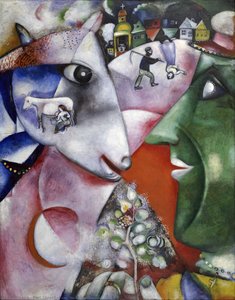
Marc Chagall’s 1910 painting, “Butcher,” isn’t merely a depiction of a man with a cleaver; it’s a vibrant plunge into the artist’s deeply personal and profoundly evocative world. Painted during a period of intense experimentation and stylistic evolution, this work embodies the core tenets of Expressionism while simultaneously retaining the unique, dreamlike quality that would become synonymous with Chagall's oeuvre. The painting immediately arrests the viewer with its bold color palette – a riot of blues, reds, yellows, and greens—a deliberate departure from the muted tones often associated with academic realism. This isn’t a photograph; it’s an emotional landscape rendered in pigment.
The subject himself is presented with arresting immediacy. The butcher, clad in a striking blue coat, dominates the composition, his face partially obscured by a long, flowing white beard. His posture suggests both focused concentration and a quiet intensity, hinting at the weight of responsibility and the physicality of his trade. He’s not idealized or romanticized; he's presented with raw honesty, reflecting Chagall’s fascination with everyday life and the dignity of labor. The inclusion of two birds – one perched delicately near the top left corner, another fluttering towards the bottom right – adds a layer of symbolic complexity, perhaps representing freedom, instinct, or the fleeting nature of existence within the confines of this rustic setting.
To truly understand “Butcher,” one must delve into Chagall’s formative years spent in Vitebsk, a city brimming with cultural confluence. Born Moishe Shagal in 1887, Chagall’s childhood was shaped by the vibrant tapestry of his Hasidic Jewish community – a world steeped in folklore, religious ritual, and deeply ingrained traditions. Vitebsk's unique blend of Russian Orthodox churches and bustling Jewish marketplaces provided a rich visual vocabulary for the young artist, informing his distinctive style. The painting subtly echoes this environment; the arrangement of objects, the use of color, and even the butcher’s attire all resonate with elements found in Chagall’s native landscape.
The presence of the birds is particularly significant within this context. Birds frequently appear in Chagall's work, often symbolizing hope, spirituality, or a longing for escape – themes deeply rooted in Jewish mysticism and folklore. Their placement within the scene suggests a connection between the earthly realm of the butcher’s trade and the spiritual aspirations of his community.
“Butcher” is firmly grounded in the principles of Expressionism, a movement characterized by its emphasis on subjective experience and emotional intensity. Chagall employs loose brushstrokes, distorted forms, and an unrestrained use of color to convey a sense of urgency and drama. The painting’s composition—the dynamic arrangement of objects, the exaggerated perspective—creates a feeling of instability and unease, mirroring the anxieties and uncertainties of the early 20th century. The gouache on paper medium lends itself beautifully to this expressive style, allowing for rich color saturation and textural variation.
Notably, Chagall’s use of color isn't merely decorative; it’s deeply symbolic. The dominant blues evoke a sense of melancholy or introspection, while the reds and yellows inject bursts of energy and vitality. This interplay of colors contributes to the painting’s overall emotional impact, creating a powerful visual narrative that transcends mere representation.
“Butcher” is more than just a portrait; it's a window into Chagall’s soul—a testament to his unwavering belief in the power of imagination and memory. It stands as a poignant reminder of his roots, his artistic evolution, and his enduring fascination with the human condition. Reproductions of this captivating work offer an exceptional opportunity to bring this evocative image into your home or office, allowing you to experience firsthand the emotional depth and artistic brilliance of one of the 20th century’s most beloved artists. BuyPopArt offers meticulously crafted hand-painted reproductions that faithfully capture the essence of Chagall's masterpiece, ensuring its beauty and significance endure for generations to come.
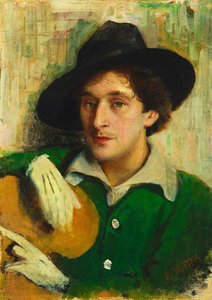
1887 - 1985 , Belarus

Journey into the dreamlike world of Marc Chagall! Explore 25 iconic paintings, from 'I and the Village' to his vibrant surrealist masterpieces. Discover the stories & techniques behind these timeless artworks – find museum-quality Chagall reproductions on BuyPopArt.com.
Explore 10 iconic white paintings by Monet, Whistler & Rothko! Discover the stories behind these serene masterpieces and their impact on art history. Find museum-quality reproductions for your home decor at .
Immerse yourself in the captivating world of slate blue! Explore 10 iconic paintings by Monet, Van Gogh & Renoir. Discover their stories, techniques & find museum-quality art reproductions for your home at .
Explore the rich history of blue in art! Discover its symbolism, from ancient pigments to modern masterpieces by Kandinsky & Seurat. Uncover the psychological impact and cultural meanings behind this captivating hue.
Explore 10 defining Abstract Expressionism masterpieces by Pollock, Rothko & de Kooning. Discover the stories behind these iconic paintings and find museum-quality art reproductions to elevate your home decor on .


Stay updated with the latest art news, exclusive offers, and decoration ideas.
Tell us about your project and our art experts will provide you with 3 personalized art suggestions.
Let Us Curate 3 Options Just for You - Free!


 Preview
 Send
Send Share
Share
 Details

 Download
 Similars
 X-Ray
X-Ray Diaporama
 Read More







 Glass option is only available in size under 110 CM