x


 Oil On CanvasWallArtPost-Impressionism
 188719th Century
 55.0 x 65.0 cm
Hand-painted oil on canvas in your size and frame, made to order by our artists.
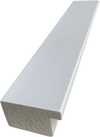
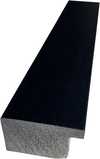
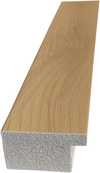
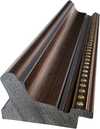
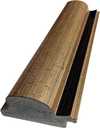
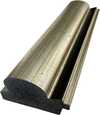
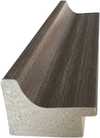
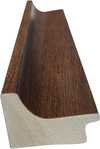
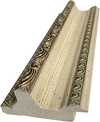
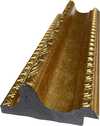
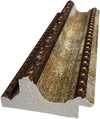
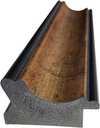
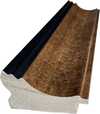
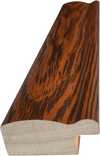
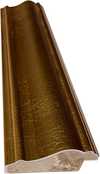
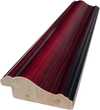
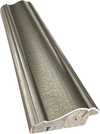
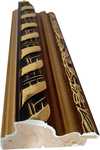
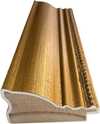
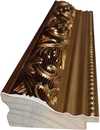
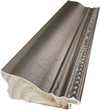
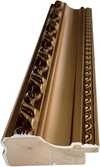
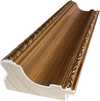
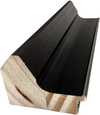
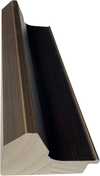
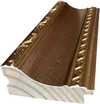
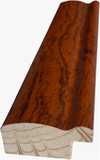
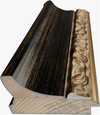
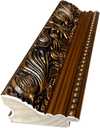
Pick from our preset sizes that match the artwork's original proportions.

You may enter your own dimensions to fit a specific frame or space. If your selected size does not match the original image's proportions, we will either crop the artwork or extend the painting with additional hand-painted elements. A digital mockup will be sent for your approval before production begins.
Please note that the on-screen preview does not reflect the actual cropping or extension. Only the mockup will accurately show the final composition.
While custom sizes are available, we recommend selecting a dimension from the predefined list to preserve the original proportions.
Worldwide Delivery () in 3/4 weeks instead of standard 5 weeks. (16 July). No compromise on quality.


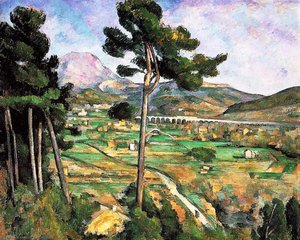
Mont Sainte-Victoire
Reproduction Size
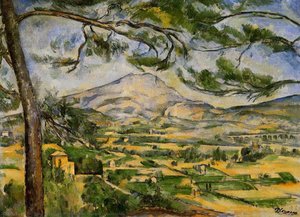
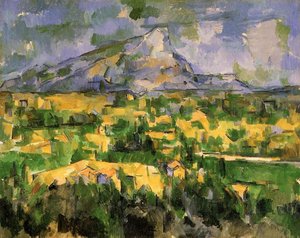
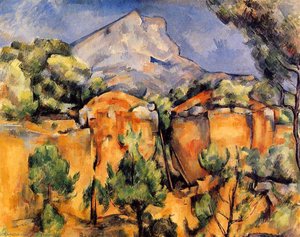
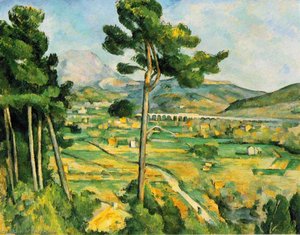
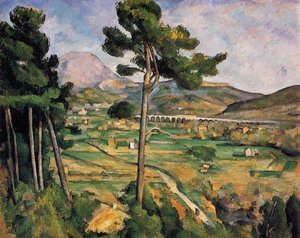
Paul Cézanne's 1887 painting, *Mont Sainte-Victoire*, is far more than a landscape; it’s a foundational work in the development of modern art. This captivating scene depicts the majestic Mont Sainte-Victoire mountain in southern France, rendered not as a literal representation, but as an exploration of form and perception. The composition centers on the imposing presence of the mountain itself, its geometric planes subtly shifting under a dynamic sky. Scattered houses and fields in the valley below provide a sense of scale and human connection to this monumental natural feature. Cézanne’s brushwork is immediately striking – loose, expressive strokes build up texture and color, prioritizing sensation over precise detail.
*Mont Sainte-Victoire* stands as a pivotal example of Post-Impressionism, a movement that reacted against the fleeting impressions of light favored by the Impressionists. Cézanne wasn’t interested in simply *recording* what he saw; he aimed to capture the underlying structure of nature – its essential geometry. He achieved this through several key techniques:
This approach moved painting away from imitation towards abstraction, influencing generations of artists to come.
Mont Sainte-Victoire held deep personal significance for Cézanne, who was born and lived most of his life in Aix-en-Provence, with the mountain always visible on the horizon. It became an almost obsessive subject, appearing in over 30 paintings and numerous watercolors. Beyond its personal connection, the mountain can be interpreted symbolically. Its enduring solidity represents permanence and stability – qualities Cézanne sought to convey in his art. The landscape itself embodies a sense of tranquility and timelessness, inviting contemplation and offering respite from the modern world. The painting isn’t merely *of* Mont Sainte-Victoire; it's an embodiment of Cézanne’s artistic philosophy—a quest to understand and represent the fundamental order underlying reality.
Initially met with skepticism, Cézanne’s work gradually gained recognition thanks to champions like Camille Pissarro and Ambroise Vollard. Today, *Mont Sainte-Victoire* is celebrated as a masterpiece that bridged the gap between Impressionism and Cubism, profoundly impacting artists such as Picasso, Matisse, and Braque. The painting's enduring appeal lies in its ability to evoke a powerful emotional response – a sense of awe, serenity, and connection to nature. Its subtle complexities reward repeated viewing, revealing new layers of meaning with each encounter. A reproduction of *Mont Sainte-Victoire* brings not only artistic beauty into a space but also a piece of art history—a testament to the power of vision and the enduring legacy of Paul Cézanne.
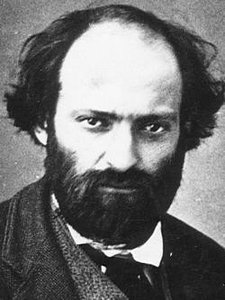
1839 - 1906 , France

Explore the nuances of Impressionism & Post-Impressionism with . Expert insights for collectors on style, investment, and acquiring museum-quality reproductions.

Journey through Post-Impressionism's 10 defining masterpieces – Van Gogh, Monet & more. Explore iconic paintings, art history & find museum-quality reproductions for your home at . Discover all masterpieces online!
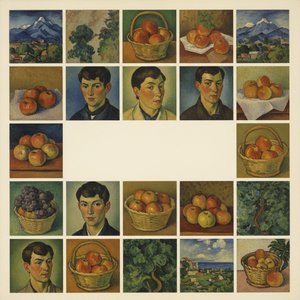
Journey through 25 iconic artworks by Paul Cézanne – a master of Impressionism and Post-Impressionism. Explore his landscapes, still lifes, and the stories behind these timeless masterpieces. Discover museum-quality reproductions & curated decor at BuyPopArt.com.

Explore the captivating world of Paul Huet (1803-1869), a master of French Romantic landscape painting. Discover his influence on Barbizon & Impressionism, and browse high-quality reproductions at BuyPopArt.

Explore the evocative landscapes of Amédée Masclef, a key figure bridging Barbizon realism & Symbolist sentiment. Discover his exquisite botanical watercolors and artistic legacy with BuyPopArt.


Stay updated with the latest art news, exclusive offers, and decoration ideas.
Tell us about your project and our art experts will provide you with 3 personalized art suggestions.
Let Us Curate 3 Options Just for You - Free!


 Buy print
 Send
Send Share
Share
 Details

 Download
 Similars
 X-Ray
X-Ray Diaporama
 Read More
 Glass option is only available in size under 110 CM