x

Hand-painted oil on canvas in your size and frame, made to order by our artists.
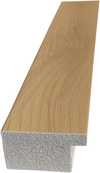
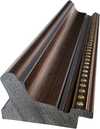
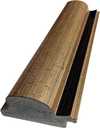
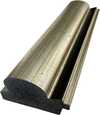
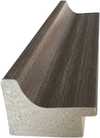
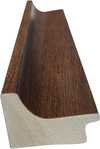
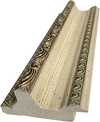
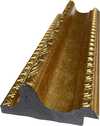
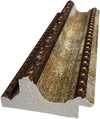
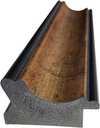
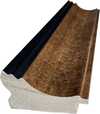
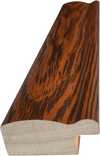
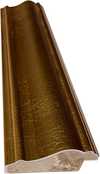
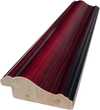
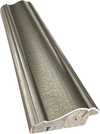
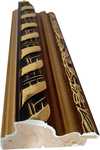
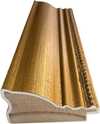
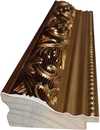
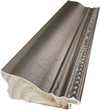
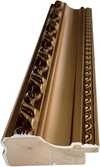
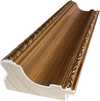
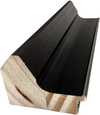
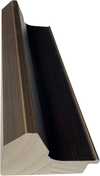
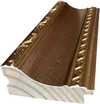
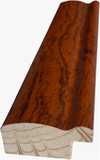
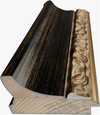
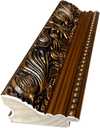
Pick from our preset sizes that match the artwork's original proportions.

You may enter your own dimensions to fit a specific frame or space. If your selected size does not match the original image's proportions, we will either crop the artwork or extend the painting with additional hand-painted elements. A digital mockup will be sent for your approval before production begins.
Please note that the on-screen preview does not reflect the actual cropping or extension. Only the mockup will accurately show the final composition.
While custom sizes are available, we recommend selecting a dimension from the predefined list to preserve the original proportions.
Worldwide Delivery () in 3/4 weeks instead of standard 5 weeks. (16 July). No compromise on quality.


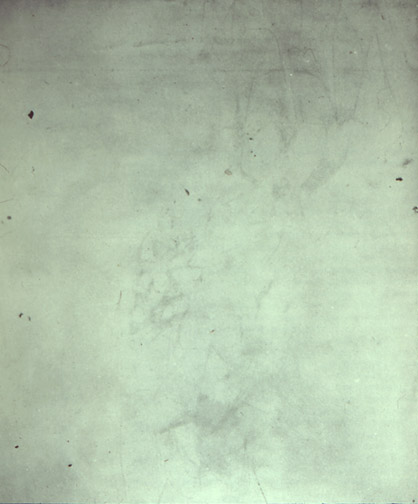
Erased de Kooning
Reproduction Size
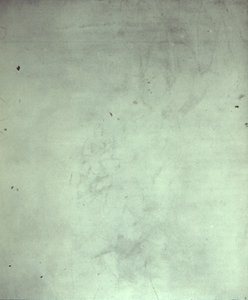
Robert Rauschenberg’s “Erased de Kooning” (1953) is far more than just what it appears to be – a faded, almost ghostly impression. It represents a pivotal moment in art history, challenging conventional notions of authorship, originality, and the very definition of a work of art. This groundbreaking piece isn't about *what* is depicted, but rather about the *act* of erasure itself.
In 1953, Rauschenberg, then a young and ambitious artist, sought to break away from prevailing artistic norms. He acquired a drawing by the established Abstract Expressionist Willem de Kooning – a gesture in itself demonstrating a bold challenge to the art world hierarchy. Over several months, Rauschenberg meticulously erased the original artwork, layer by layer, leaving behind only faint traces of what once was. This wasn’t vandalism; it was a deliberate conceptual performance, documented photographically as the final work.
“Erased de Kooning” is a cornerstone of Neo-Dada, an artistic movement that emerged in the post-war era as a reaction against the perceived seriousness and emotional intensity of Abstract Expressionism. Rauschenberg’s work embraced chance, irony, and everyday objects – elements deliberately excluded by his predecessors. It foreshadowed Pop Art's embrace of popular culture and challenged the romanticized notion of the artist as a solitary genius.
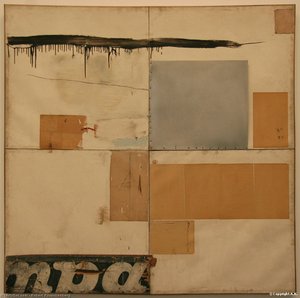
The resulting image is deceptively simple. A pale field of muted greens, greys, and subtle ochre tones dominates the composition. Scattered dark specks – remnants of de Kooning’s original work – punctuate the surface, hinting at a lost history. The texture is crucial; it evokes age, decay, and the passage of time. This isn't about masterful brushwork or vibrant color; it's about absence, suggestion, and the beauty found in what remains.
“Erased de Kooning” speaks to themes of impermanence, memory, and the destructive/creative forces inherent in artistic process. The erasure can be interpreted as a rejection of past masters, a commentary on consumer culture (the act of acquiring and then dismantling), or even a metaphor for the fragility of existence. The artwork evokes a quiet melancholy, prompting viewers to contemplate what has been lost and what remains.
A reproduction of “Erased de Kooning” offers a sophisticated and thought-provoking addition to any interior space. Its subdued palette lends itself well to minimalist or contemporary settings, adding depth and intellectual intrigue. It’s a conversation starter, a testament to artistic innovation, and a powerful symbol of the ever-evolving nature of art itself. This piece is ideal for collectors seeking iconic works and designers aiming to create spaces that are both aesthetically pleasing and conceptually rich.
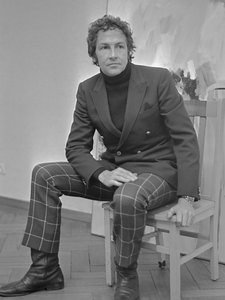
1925 - 2008 , United States of America
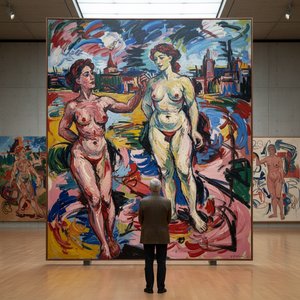
Explore the evolution of Willem de Kooning's iconic Abstract Expressionist paintings. Discover his signature style, key themes & investment potential with expert insights for discerning art collectors.

Explore the history of still life painting & discover how artful reproductions elevate villa entertaining spaces. Expert guidance, museum-quality prints & custom artwork at BuyPopArt.com.
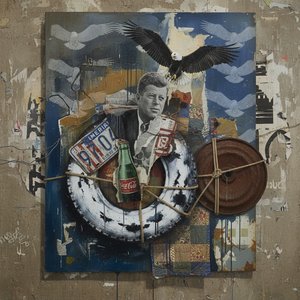
Explore the revolutionary art of Robert Rauschenberg – Combines, silkscreens & more. Discover his impact on Pop Art, investment potential & collecting insights for discerning art collectors.

Explore the revolutionary De Stijl movement & Neo-Plasticism with our expert guide. Discover Piet Mondrian, Theo van Doesburg, and the lasting impact of this influential art style. Learn about collecting & investing in De Stijl masterpieces.

Explore the compelling world of David Michael Hinnebusch's contemporary figurative art. Discover his neo-expressionist paintings, influenced by LA life & philosophical thought – a valuable addition for discerning collectors.


Stay updated with the latest art news, exclusive offers, and decoration ideas.
Tell us about your project and our art experts will provide you with 3 personalized art suggestions.
Let Us Curate 3 Options Just for You - Free!


 Buy print
 Send
Send Share
Share
 Details

 Download
 Similars
 X-Ray
X-Ray Diaporama

 Read More
 Glass option is only available in size under 110 CM