x

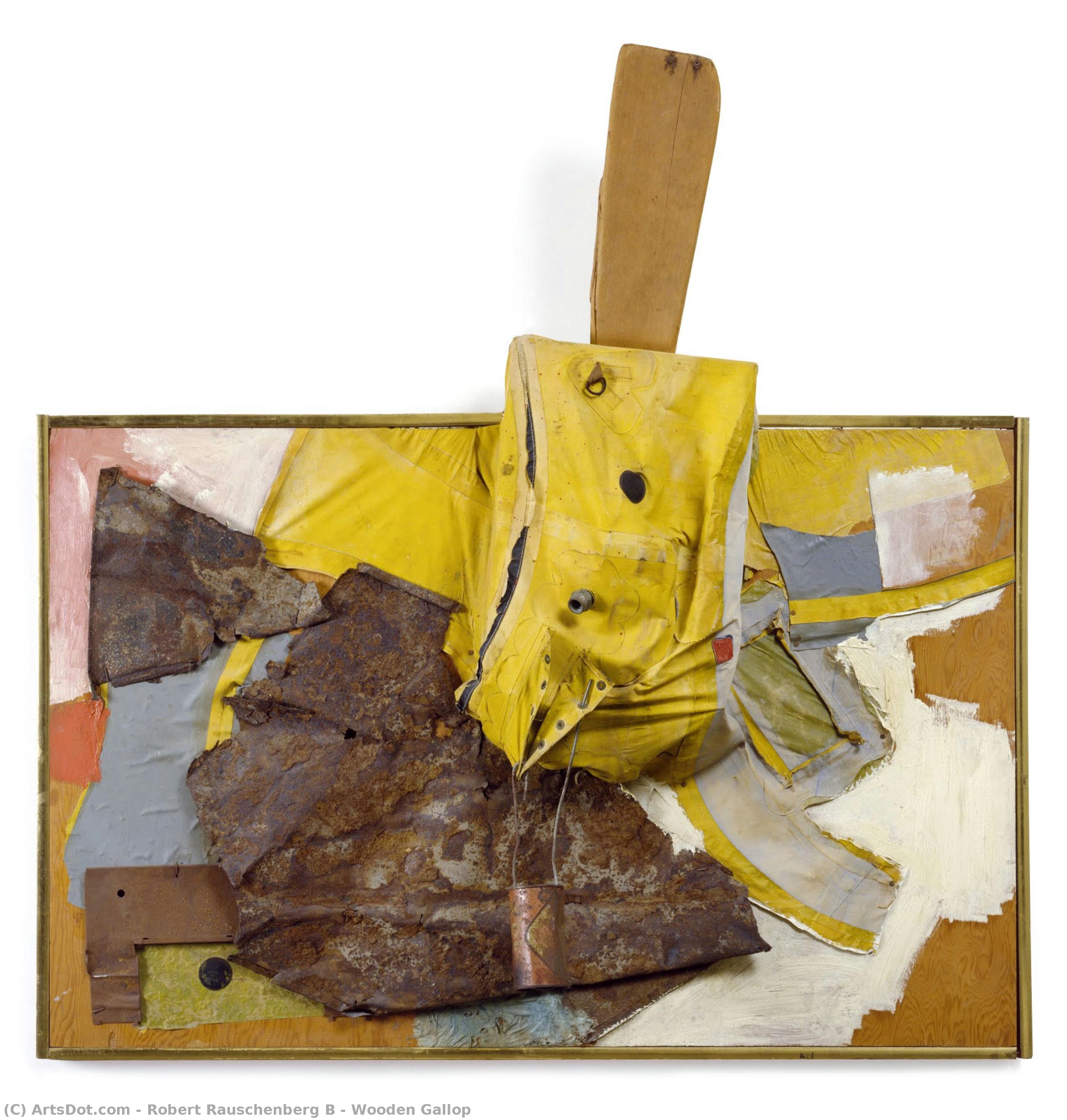
 Acrylic On CanvasWallArtPop Art
 Contemporary
 124.0 x 125.0 cm
 Chrysler Museum of Art
Museum-quality giclée or canvas print with fast production and flexible finish options.
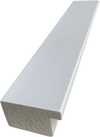
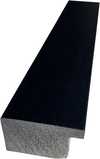
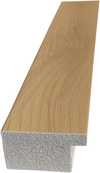
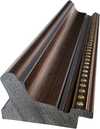
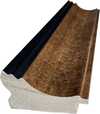
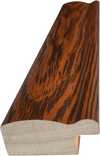
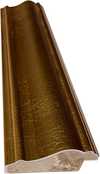
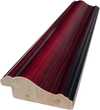
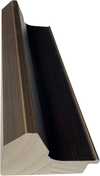
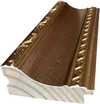
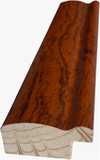
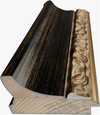
Pick from our preset sizes that match the artwork's original proportions.

You may enter your own dimensions to fit a specific frame or space. If your selected size does not match the original image's proportions, we will either crop the artwork or extend the image with a mirrored or solid-fill edge. A digital mockup will be sent for your approval before production begins.
Please note that the on-screen preview does not reflect the actual cropping or extension. Only the mockup will accurately show the final composition.
While custom sizes are available, we recommend selecting a dimension from the predefined list to preserve the original proportions.
Worldwide Delivery () in 2 weeks instead of standard 4/5 weeks. (16 July)


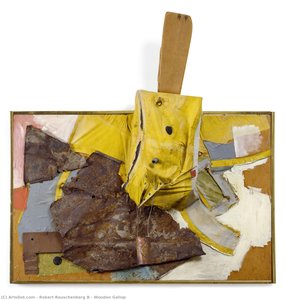
Wooden Gallop
Reproduction Size
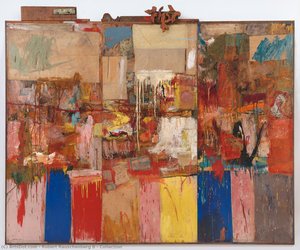
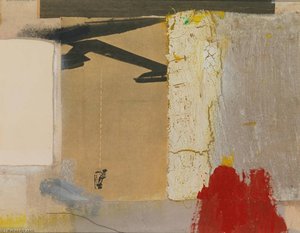
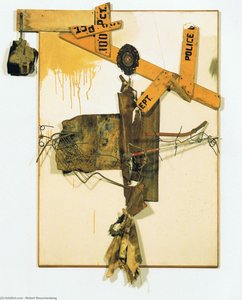
Robert Rauschenberg's "Wooden Gallop," painted in the early 1960s, isn’t merely a painting; it’s an invitation to a conversation with chance, incongruity, and the very nature of art itself. Emerging from a period of radical experimentation within the American art scene – a time when artists were actively dismantling traditional boundaries between disciplines – this work embodies Rauschenberg's signature “Combine” aesthetic: a deliberate blurring of lines between painting, sculpture, collage, and everyday objects. The piece immediately confronts the viewer with an apparent jumble—a weathered wooden form, seemingly a fragment of a discarded structure, is draped in a yellow cloth, while scattered around it are elements that whisper of forgotten voyages: a section of life raft, rusted metal shards, and even what appears to be a small, unsettling bird. Yet, within this seeming chaos, a remarkable balance emerges – a quiet harmony achieved through Rauschenberg’s masterful orchestration of disparate materials.
Rauschenberg's approach to art during the 1960s was profoundly influenced by his experiences in Black Mountain College, where he studied alongside figures like Josef Albers and Max Ernst. This environment fostered a spirit of experimentation and a rejection of rigid artistic conventions. “Combines,” as Rauschenberg termed them, were born from this ethos – works that incorporated found objects, photographs, text, and painted surfaces, often assembled directly onto the canvas. “Wooden Gallop” exemplifies this technique perfectly; it’s not about creating a singular, representational image but rather constructing an experience—a layered narrative suggested through the juxtaposition of these seemingly unrelated elements. The wooden form itself acts as a grounding element, anchoring the composition while simultaneously inviting speculation about its origins and purpose.
The painting’s surface is a testament to Rauschenberg's innovative approach to paint application. He employed a technique he called “all-over,” meaning that the paint was applied evenly across the entire canvas, without a discernible focal point or compositional structure. This deliberate lack of hierarchy mirrors the work’s overall sense of disorientation and invites the viewer to engage with the piece on an equal footing. The use of matte acrylic paints creates a tactile quality, further emphasizing the materiality of the objects incorporated into the composition. The rust and weathered wood speak to time and decay, while the yellow cloth introduces a vibrant, almost unsettling contrast. The inclusion of the life raft fragment subtly evokes themes of travel, loss, and perhaps even the precariousness of human existence – a poignant reminder of journeys undertaken and destinations unknown.
“Wooden Gallop” resists easy interpretation, deliberately embracing ambiguity. The bird, for instance, could be seen as a symbol of freedom or, conversely, as a harbinger of unease. The life raft fragment hints at journeys both literal and metaphorical – the search for stability in an uncertain world. Rauschenberg himself resisted providing definitive explanations for his work, stating that he wanted to create objects that “suggested” rather than “explained.” This deliberate opacity encourages viewers to project their own experiences and emotions onto the piece, transforming it into a deeply personal encounter. The title itself – "Wooden Gallop" – is evocative of both movement and instability, perfectly capturing the painting’s dynamic energy.
“Wooden Gallop” stands as a pivotal work in Robert Rauschenberg's oeuvre and a landmark achievement in 20th-century art. It represents a radical departure from traditional artistic practices, paving the way for subsequent generations of artists who challenged established norms and embraced experimentation. Its influence can be seen in the rise of Pop Art, Neo-Dada, and assemblage art, as well as in contemporary approaches to installation and mixed media. Today, reproductions of “Wooden Gallop” continue to resonate with audiences, offering a glimpse into a world where chaos and harmony coexist, and where the boundaries between art and life are delightfully blurred.
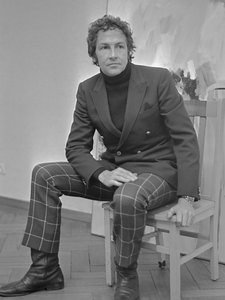
1925 - 2008 , United States of America
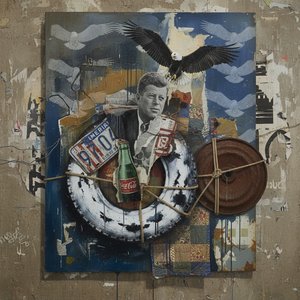
Explore the revolutionary art of Robert Rauschenberg – Combines, silkscreens & more. Discover his impact on Pop Art, investment potential & collecting insights for discerning art collectors.
Explore the captivating history of marble sculpture from ancient Greece to modern art. Discover renowned artists like Canova & Michelangelo, carving techniques, and investment insights at BuyPopArt.
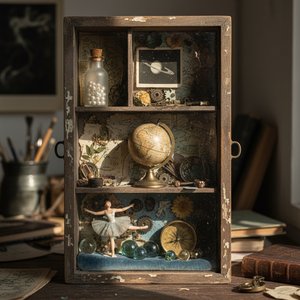
Explore the captivating world of Joseph Cornell's assemblage art & shadow boxes. Discover his unique process, Surrealist influences, and lasting legacy with BuyPopArt.
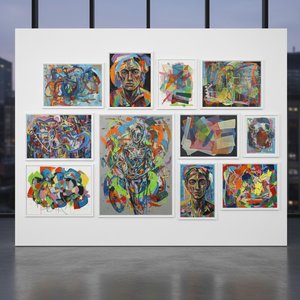
Explore 10 legendary acrylic paintings that revolutionized modern art! From Helen Frankenthaler's color fields to Richter’s abstract power, discover the stories behind these iconic masterpieces. Find museum-quality reproductions & elevate your home decor on BuyPopArt.com.

Explore 25 iconic Georges Braque paintings that revolutionized Cubism & modern art. Discover the stories behind his masterpieces, from Fauvism to Analytical Cubism. Find museum-quality reproductions & elevate your home decor with BuyPopArt.com.


Stay updated with the latest art news, exclusive offers, and decoration ideas.
Tell us about your project and our art experts will provide you with 3 personalized art suggestions.
Let Us Curate 3 Options Just for You - Free!


 Buy Painting
 Send
Send Share
Share
 Details

 Download
 Similars
 X-Ray
X-Ray Diaporama
 Read More
 Glass option is only available in size under 110 CM