x


Hand-painted oil on canvas in your size and frame, made to order by our artists.
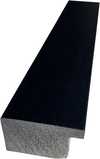
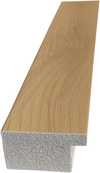
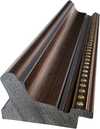
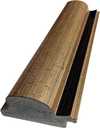
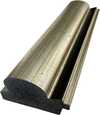
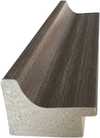
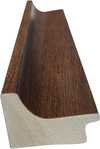
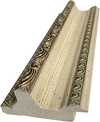
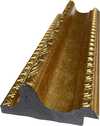
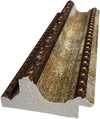
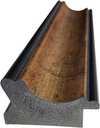
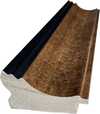
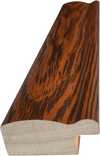
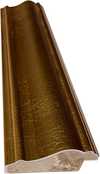
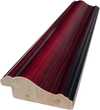
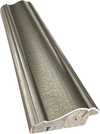
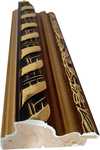
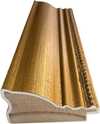
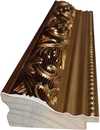
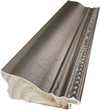
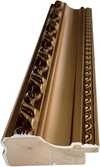
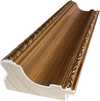
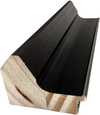
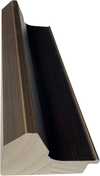
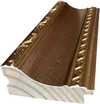
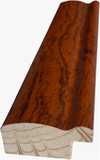
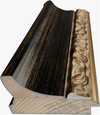
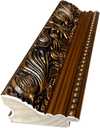
Pick from our preset sizes that match the artwork's original proportions.

You may enter your own dimensions to fit a specific frame or space. If your selected size does not match the original image's proportions, we will either crop the artwork or extend the painting with additional hand-painted elements. A digital mockup will be sent for your approval before production begins.
Please note that the on-screen preview does not reflect the actual cropping or extension. Only the mockup will accurately show the final composition.
While custom sizes are available, we recommend selecting a dimension from the predefined list to preserve the original proportions.
Worldwide Delivery () in 3/4 weeks instead of standard 5 weeks. (16 July). No compromise on quality.


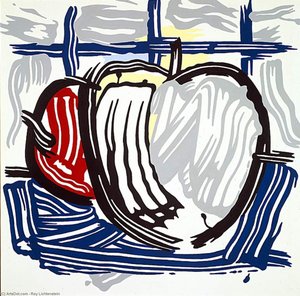
Apple and Grapefruit
Reproduction Size
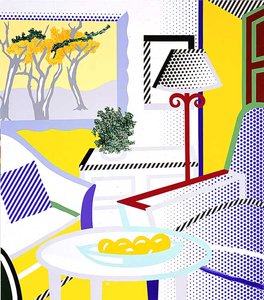
Roy Lichtenstein’s “Apple and Grapefruit,” painted in 1980, is more than just a still life; it’s a vibrant declaration of the Pop Art movement’s fascination with everyday imagery and its bold rejection of traditional artistic conventions. This captivating artwork immediately draws the eye with its striking color palette – a deliberate explosion of reds, yellows, and oranges that echoes the dynamism of comic books and commercial advertising, hallmarks of Lichtenstein's aesthetic. The composition itself is deceptively simple: a woman with blonde hair, rendered in Lichtenstein’s signature Ben-Day dots, sits before a bowl overflowing with apples and grapefruit. This seemingly mundane scene transforms into a powerful statement about consumer culture and the accessibility of art.
Roy Fox Lichtenstein’s artistic journey began with a rigorous training in realistic drawing and painting, influenced by Reginald Marsh at the Art Students League. However, his formative experiences – from early exposure to jazz music and museums to his service in the Army during World War II – ultimately shaped his revolutionary approach. He deliberately embraced the visual language of popular culture, particularly comic strips, recognizing their immense influence on American society. This decision wasn't merely stylistic; it was a profound commentary on the role of art within a mass-mediated world.
The subject matter itself – a woman with fruit – is deliberately ambiguous, inviting multiple interpretations. The apples and grapefruit, rendered in Lichtenstein’s iconic Ben-Day dot technique, represent not just edible produce but also symbols of abundance, temptation, and perhaps even the superficiality of modern life. The use of Ben-Day dots, originally employed to simulate color printing in commercial art, is central to Lichtenstein's style. This meticulous application creates a mosaic effect, mimicking the appearance of printed images and further blurring the lines between fine art and mass culture. The woman’s pose, seemingly casual yet subtly engaging with the fruit, adds another layer of complexity, suggesting a dialogue between the viewer and the artwork.
"Apple and Grapefruit" resonates deeply because it taps into our subconscious fascination with color, form, and narrative. Lichtenstein’s work isn't about replicating reality; it’s about distilling emotion and experience into their most essential elements. The bold colors and graphic style evoke a sense of energy and excitement, while the simplified forms invite contemplation. This piece stands as a testament to Lichtenstein’s genius – his ability to transform the ordinary into the extraordinary, challenging viewers to reconsider their perceptions of art and its role in society. A hand-painted reproduction offers an unparalleled opportunity to experience the full impact of this iconic work.


1923 - 1997 , United States of America
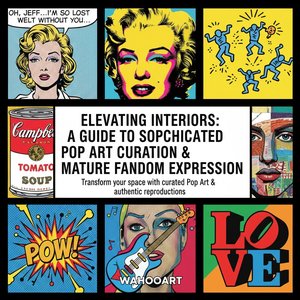
Elevate your home with sophisticated Pop Art! Discover expert curation tips, investment potential & authentic reproductions from BuyPopArt. Transform your space into a vibrant gallery.
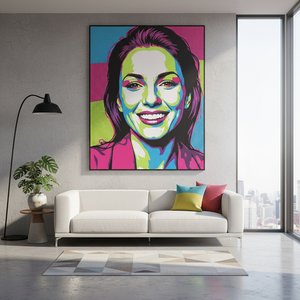
Transform your cherished photos into stunning, hand-painted Pop Art masterpieces with BuyPopArt.com. Expert artistry, museum-quality reproductions & personalized service. Elevate your home décor and create a lasting legacy.
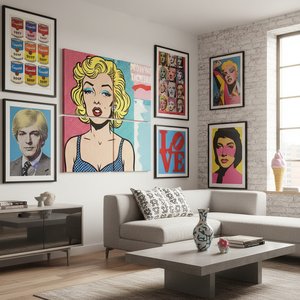
Explore 10 defining Pop Art masterpieces – from Warhol’s iconic Marilyn to Lichtenstein's bold dots. Discover the stories behind these revolutionary artworks & find museum-quality reproductions for your home at .

Elevate your luxury villa with vibrant Pop Art! Discover expert curation tips, museum-quality reproductions & bespoke commissions at BuyPopArt. Transform your space today.
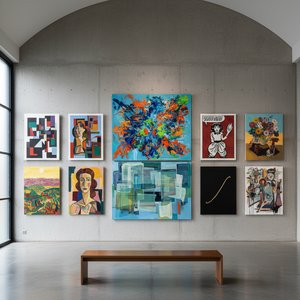
Explore 10 legendary 'Acrylic On Canvas' masterpieces by artists like Rothko, Warhol & Frankenthaler. Discover the stories behind these iconic paintings and their impact on modern art. Find museum-quality reproductions at – elevate your home with timeless beauty.


Stay updated with the latest art news, exclusive offers, and decoration ideas.
Tell us about your project and our art experts will provide you with 3 personalized art suggestions.
Let Us Curate 3 Options Just for You - Free!


 Buy print
 Send
Send Share
Share
 Details

 Download
 Similars
 X-Ray
X-Ray Diaporama

 Read More
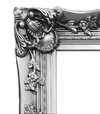
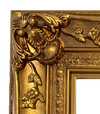
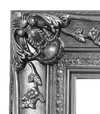
 Glass option is only available in size under 110 CM