x

 Oil On CanvasWallArtRomantic Portraiture
 1781
1781 114.0 x 140.0 cm
 English Heritage
Hand-painted oil on canvas in your size and frame, made to order by our artists.
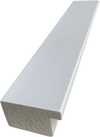
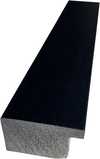
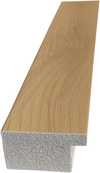
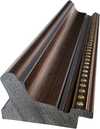
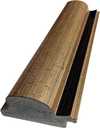
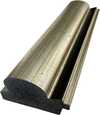
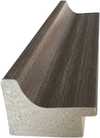
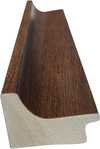
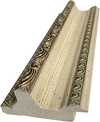
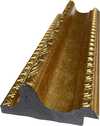
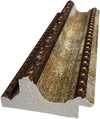
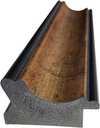
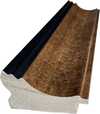
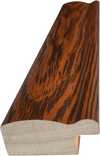
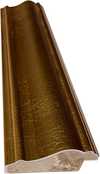
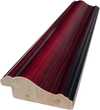
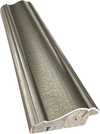
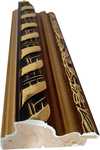
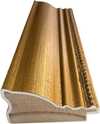
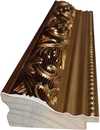
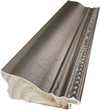
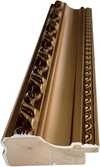
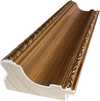
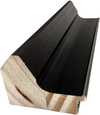
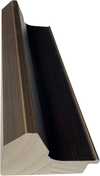
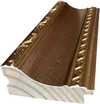
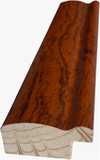
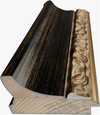
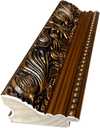
Pick from our preset sizes that match the artwork's original proportions.

You may enter your own dimensions to fit a specific frame or space. If your selected size does not match the original image's proportions, we will either crop the artwork or extend the painting with additional hand-painted elements. A digital mockup will be sent for your approval before production begins.
Please note that the on-screen preview does not reflect the actual cropping or extension. Only the mockup will accurately show the final composition.
While custom sizes are available, we recommend selecting a dimension from the predefined list to preserve the original proportions.
Worldwide Delivery () in 3/4 weeks instead of standard 5 weeks. (16 July). No compromise on quality.


A Fortune Teller
Reproduction Size
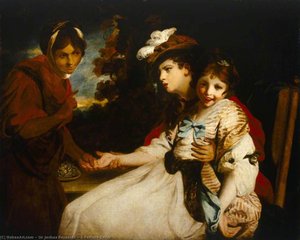
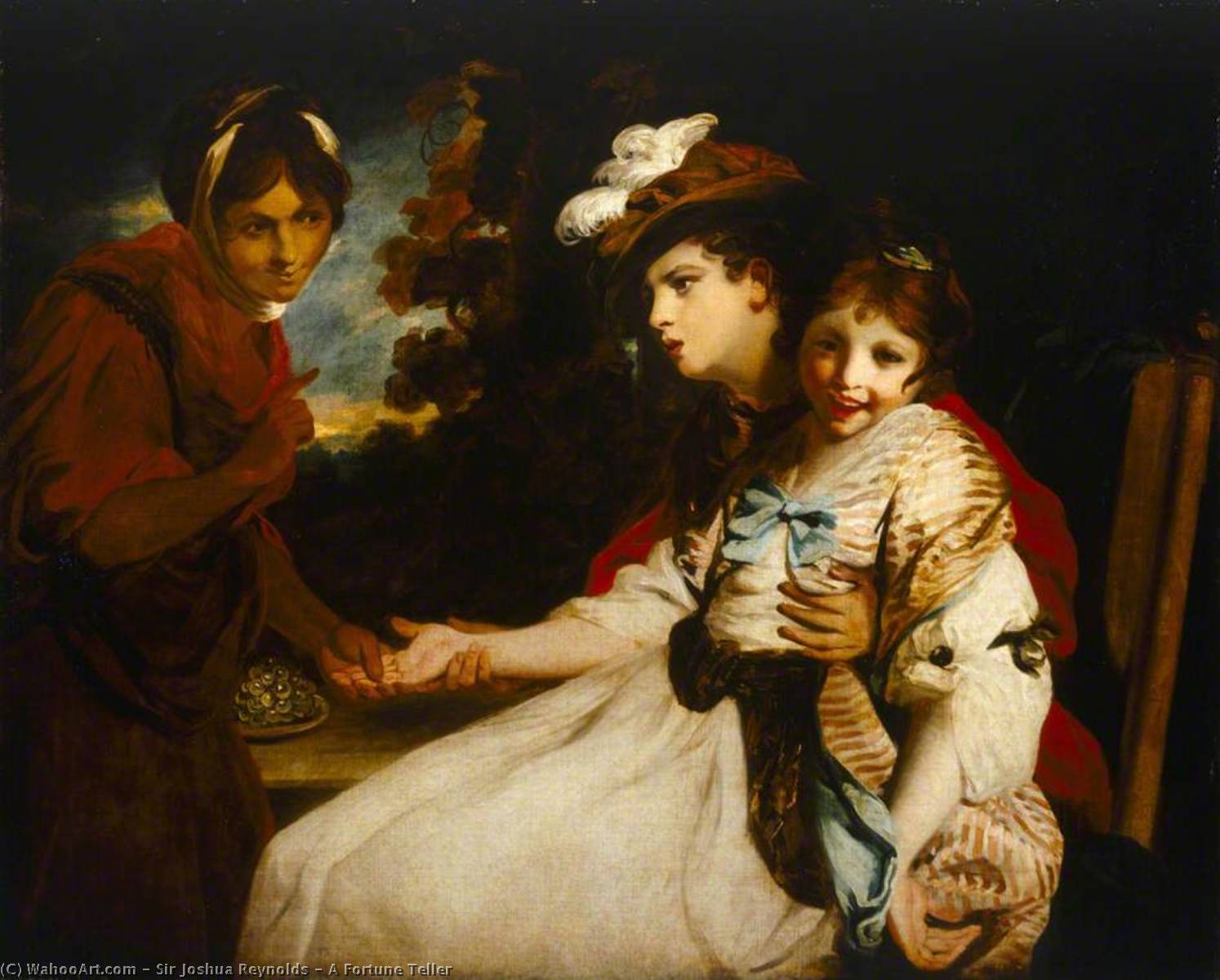
Sir Joshua Reynolds' “A Fortune Teller,” completed in 1777, stands as a quintessential example of the Romantic sensibility burgeoning within the British art world. More than just a depiction of three women engaged in conversation—a commonplace subject for portraiture at the time—the painting delves into deeper currents of Victorian psychology and societal anxieties surrounding femininity and divination. Reynolds’ masterful handling of light and color elevates this seemingly simple scene into an exploration of mood and atmosphere, reflecting the prevailing fascination with esoteric beliefs and the desire to interpret signs of fate.
Reynolds, a titan amongst portraitists, employed his signature technique—a layered application of oil paint—to achieve remarkable tonal gradations and luminous effects. He meticulously built up glazes upon glazes, capturing subtle nuances of skin tone and drapery folds with astonishing accuracy. The artist’s keen observation of anatomy combined with an intuitive understanding of how light interacts with surfaces resulted in a painting that possesses both realism and expressive power. Notice the delicate rendering of the baby's face—a testament to Reynolds’ dedication to anatomical precision, yet imbued with tenderness and warmth. Furthermore, the careful positioning of objects within the room – the bowls, the chair, and notably, the clock – serves not merely as decorative elements but contributes to the overall sense of stillness and contemplation.
The scene depicted transcends mere representation; it’s laden with symbolic significance reflecting Victorian ideals of domestic harmony and maternal virtue. The three women embody different facets of femininity—the mother, the wife, and perhaps a young woman embarking on her marital journey—each striving to create a nurturing environment for their children. The bowls could represent abundance and fertility, while the clock symbolizes time passing and the inevitability of change – themes prevalent in Romantic art concerned with mortality and the passage of life. Reynolds subtly conveys these ideas through his compositional choices and tonal palette, creating an image that resonates with viewers on both intellectual and emotional levels.
“A Fortune Teller” emerged during a period where reason and scientific inquiry wrestled with burgeoning interest in spiritualism and occult practices. The Enlightenment championed rational thought, yet simultaneously fueled anxieties about the unknown and the unpredictable forces governing human existence. Reynolds skillfully navigated this dichotomy by presenting a scene rooted in observable reality—the domestic interior of a Victorian household—yet imbued with an intangible quality that speaks to deeper psychological concerns. This juxtaposition underscores the broader cultural preoccupation with interpreting signs of destiny and seeking solace in rituals and traditions – sentiments that would continue to shape British art and culture throughout the 19th century.
Ultimately, Reynolds’ “A Fortune Teller” succeeds in conveying a profound sense of serenity mingled with quiet contemplation. The muted color palette—dominated by warm reds and browns—creates an atmosphere of intimacy and comfort. More importantly, Reynolds captures the subtle expressions on the women's faces – conveying their thoughtfulness and concern for one another. This masterful portrayal speaks to the Victorian fascination with portraying inner states alongside outward appearances, demonstrating Reynolds’ ability to elevate a seemingly commonplace subject into a powerful meditation on human emotion and experience.
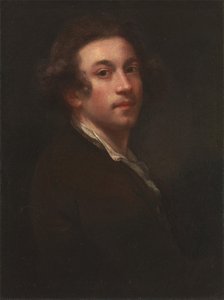
1723 - 1792 , United Kingdom

Explore the life & work of Sir Joshua Reynolds, a master of British portraiture and founder of the Royal Academy. Discover his 'Grand Style,' techniques, and lasting influence on art history. Learn more at BuyPopArt.
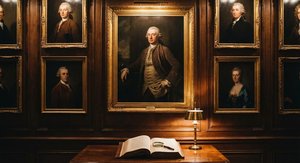
Explore 25 captivating portraits by Sir Joshua Reynolds, a master of British art. Discover stories behind his iconic paintings, elegant style & historical influence. Find museum-quality reproductions and elevate your home decor on BuyPopArt.com.

Explore the exquisite world of Victorian botanical art! Discover the science & artistry behind stunning floral illustrations by Gould, Muckley & more. Learn about collecting, value & investment at BuyPopArt.

Discover the captivating world of Thomas Edwin Mostyn (1864-1930), a Victorian artist renowned for his romantic garden scenes and evocative portraits. Explore his artistic journey, legacy & find high-quality reproductions at BuyPopArt.

Explore the captivating world of Edmund Blair Leighton, Victorian master of romantic narrative painting. Discover his iconic works & Pre-Raphaelite influences at BuyPopArt.


Stay updated with the latest art news, exclusive offers, and decoration ideas.
Tell us about your project and our art experts will provide you with 3 personalized art suggestions.
Let Us Curate 3 Options Just for You - Free!


 Buy print
 Send
Send Share
Share
 Details

 Download
 Similars
 X-Ray
X-Ray Diaporama
 Read More
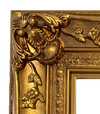
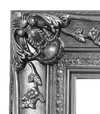
 Glass option is only available in size under 110 CM