x


 Acrylic On CanvasWallArtGrand Style Portraiture
 1767
1767 150.0 x 123.0 cm
 National Trust
Hand-painted oil on canvas in your size and frame, made to order by our artists.
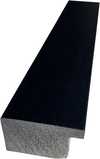
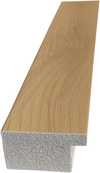
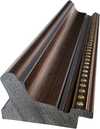
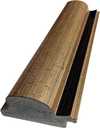
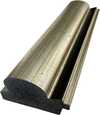
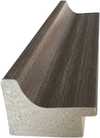
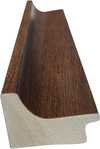
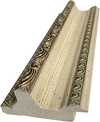
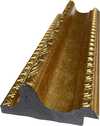
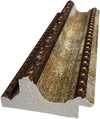
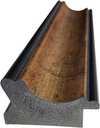
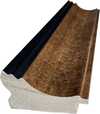
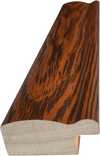
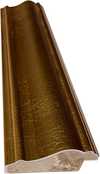
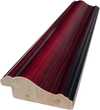
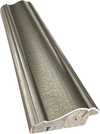
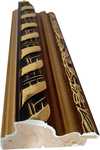
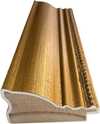
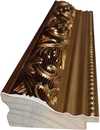
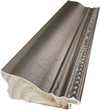
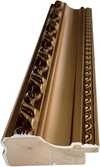
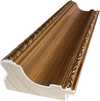
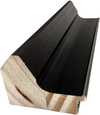
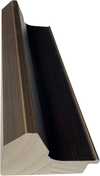
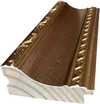
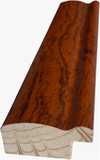
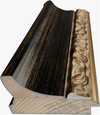
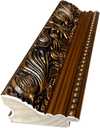
Pick from our preset sizes that match the artwork's original proportions.

You may enter your own dimensions to fit a specific frame or space. If your selected size does not match the original image's proportions, we will either crop the artwork or extend the painting with additional hand-painted elements. A digital mockup will be sent for your approval before production begins.
Please note that the on-screen preview does not reflect the actual cropping or extension. Only the mockup will accurately show the final composition.
While custom sizes are available, we recommend selecting a dimension from the predefined list to preserve the original proportions.
Worldwide Delivery () in 3/4 weeks instead of standard 5 weeks. (16 July). No compromise on quality.


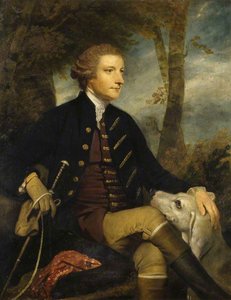
Sir Thomas Dyke Acland (1722–1785), 7th Bt, MP
Reproduction Size
Sir Joshua Reynolds's portrait of Sir Thomas Dyke Acland, completed in 1767, is more than a simple likeness; it’s a carefully constructed tableau of landed gentry, embodying the ideals of Georgian England and reflecting the sitter’s position within its social hierarchy. The painting immediately commands attention with its rich palette – deep plums, ochres, and subtle greens – creating an atmosphere of understated elegance and quiet authority. Reynolds masterfully employs chiaroscuro, a technique borrowed from Caravaggio, to sculpt the figure's form, drawing the viewer's eye to Acland’s face and emphasizing his bearing. The composition is deliberately balanced, with the seated Acland occupying the central space, framed by the naturalistic backdrop of a tree-lined landscape – a deliberate choice that connects him to the land and reinforces his status as a landowner.
The sitter himself presents an intriguing study in controlled composure. Dressed in a sumptuous plum-colored coat and buff breeches, he exudes a sense of self-assuredness tempered by a dignified restraint. His posture is upright, his gaze direct, suggesting both intelligence and a certain aloofness. The inclusion of the hunting dog at his feet speaks volumes about Acland’s pursuits – a symbol of his connection to the countryside and his participation in the aristocratic pastime of stag hunting. The sword resting beside him subtly hints at his role as a landed gentleman with responsibilities and authority.
Painted during the height of Reynolds’s career, this portrait exemplifies his “Grand Style,” a revolutionary approach to portraiture that departed from the meticulous detail favored by earlier artists. Instead of striving for photographic realism, Reynolds sought to capture the essence of his subjects – their character and social standing – through idealized forms and carefully orchestrated compositions. He drew heavily on classical ideals, employing techniques such as contrapposto (a naturalistic pose) and pyramidal arrangements to create a sense of harmony and balance. This style was deeply influenced by Jonathan Richardson’s “Essay on the Theory of Painting,” which advocated for painting based on observation and idealization rather than strict imitation.
The portrait reflects the broader cultural context of 18th-century England, a period marked by burgeoning wealth, social mobility, and a fascination with classical antiquity. Portraits were not merely representations of individuals; they were carefully crafted statements about status, lineage, and virtue – essential tools for navigating the complex social landscape of the time. Reynolds’s skill lay in his ability to capture this nuanced interplay between appearance and reality.
Beyond the immediate depiction of Sir Thomas Dyke Acland, the painting is laden with symbolic meaning. The tree, a recurring motif in landscape art, represents longevity, strength, and connection to nature – all qualities associated with the landed gentry. The dog, a hunting hound, symbolizes loyalty, courage, and the mastery of the natural world. The muted colors and restrained elegance of the composition reflect the values of the upper class: self-control, decorum, and an appreciation for refined taste. Acland’s position as High Sheriff of Somerset further underscores his role as a responsible leader within his community.
The portrait offers a glimpse into the world of the English aristocracy in the late 18th century – a world defined by land ownership, social obligations, and a deep connection to the countryside. It’s a testament to Reynolds's ability to capture not just a likeness but also the spirit and character of his subject, solidifying his place as one of the most influential portrait painters in British history.
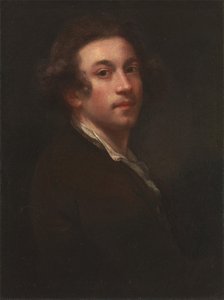
1723 - 1792 , United Kingdom

Explore the life & work of Thomas Hudson, a leading 18th-century British portraitist. Discover his mastery of the 'Grand Manner,' influential style, and lasting impact on British art. Learn about his notable portraits like Judge William Noel & Alexander Van Aken.

Explore the fascinating world of Sarah Churchill, Countess of Essex, a pivotal figure in 18th-century art patronage. Discover her influence on Rococo aesthetics and portraiture, and learn about commissioning artworks as a statement of power & identity.

Explore the captivating world of George Stubbs, the 18th-century master renowned for his anatomical precision & Romantic animal paintings. Discover his legacy and investment potential.

Explore the captivating world of Joseph Highmore, a leading British Rococo painter. Discover his elegant portraits, insightful 'Pamela' illustrations & contributions to 18th-century art history. Learn more at BuyPopArt.

Explore the life & work of Sir Joshua Reynolds, a master of British portraiture and founder of the Royal Academy. Discover his 'Grand Style,' techniques, and lasting influence on art history. Learn more at BuyPopArt.


Stay updated with the latest art news, exclusive offers, and decoration ideas.
Tell us about your project and our art experts will provide you with 3 personalized art suggestions.
Let Us Curate 3 Options Just for You - Free!


 Buy print
 Send
Send Share
Share
 Details

 Download
 Similars
 X-Ray
X-Ray Diaporama
 Read More
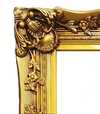
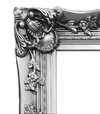
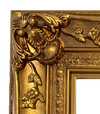
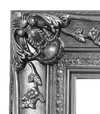
 Glass option is only available in size under 110 CM