x


Hand-painted oil on canvas in your size and frame, made to order by our artists.
Pick from our preset sizes that match the artwork's original proportions.

You may enter your own dimensions to fit a specific frame or space. If your selected size does not match the original image's proportions, we will either crop the artwork or extend the painting with additional hand-painted elements. A digital mockup will be sent for your approval before production begins.
Please note that the on-screen preview does not reflect the actual cropping or extension. Only the mockup will accurately show the final composition.
While custom sizes are available, we recommend selecting a dimension from the predefined list to preserve the original proportions.
Worldwide Delivery () in 3/4 weeks instead of standard 5 weeks. (16 July). No compromise on quality.


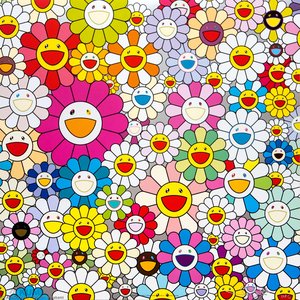
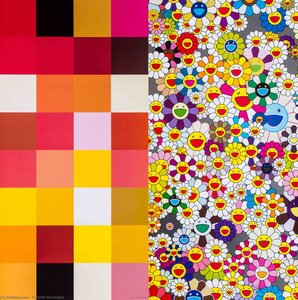
Flowers blooming in this world and the land of nirvana
Reproduction Size
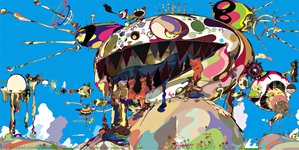
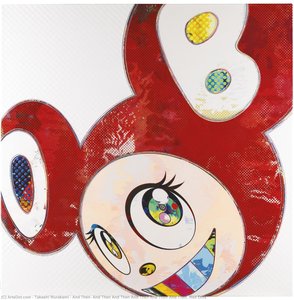
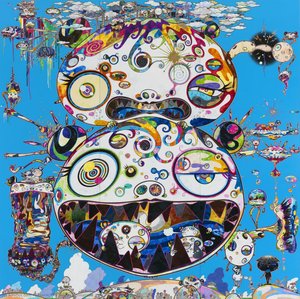
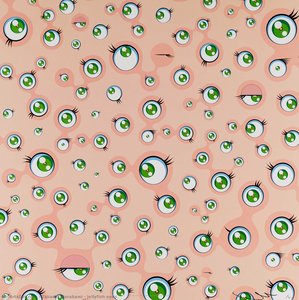
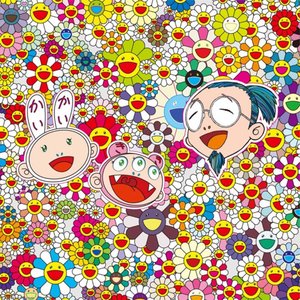
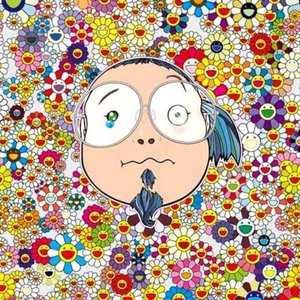
To stand before a piece like "Flowers blooming in this world and the land of nirvana" is to step directly into a vibrant, hyper-saturated dreamscape. It is an immediate sensory overload, yet one that feels utterly harmonious. The painting explodes with life, not through muted tones or subtle gradations, but through a joyous cacophony of color and smiling presence. At its heart lies the unmistakable signature of Takashi Murakami—an artist who has masterfully bridged the gap between the ephemeral energy of Japanese popular culture and the enduring weight of high art. The sheer proliferation of smiling faces, each rendered with those iconic, almost beatific yellow eyes and soft pink mouths, creates an overwhelming sense of communal bliss. It is a visual embrace, inviting the viewer to shed their anxieties at the threshold of its bright composition.
Murakami’s work is inseparable from his concept of Superflat. This aesthetic theory posits that the flatness inherent in traditional Japanese art forms—like woodblock prints or anime backgrounds—is not a limitation, but rather a profound strength. By flattening pictorial space, he collapses the hierarchy between "high" and "low" culture. Here, the delicate beauty of blooming flowers shares visual real estate with cartoonish, grinning visages and even the inclusion of a tangible object like a clock on the left. This juxtaposition is deliberate; it suggests that in the modern, globalized world, the sacred and the commercial, the profound and the playful, coexist without contradiction. The title itself hints at this duality: the earthly bloom meeting the eternal peace of nirvana.
The flowers scattered throughout the canvas are more than mere decoration; they are potent symbols of cyclical renewal and transient beauty. In many Eastern traditions, the blooming flower represents life's fleeting perfection—a moment of absolute zenith before inevitable change. When paired with the smiling faces, which embody an almost forced, yet utterly infectious happiness, the painting suggests a philosophy: true contentment is found by fully embracing the vibrant, sometimes overwhelming, present moment. It speaks to a universal yearning for uncomplicated joy, a visual antidote to modern complexity.
While the original execution involves Murakami's signature meticulous layering of paint—a technique that allows his graphic elements to pop with almost artificial luminosity—the reproduction captures this electric energy beautifully. For the collector or designer, this piece functions as a powerful focal point. It does not whisper; it sings. Its impact is immediate and emotionally uplifting. Incorporating such a vibrant work into an interior space transforms it from mere decoration into a cultural statement—a declaration that joy, in all its colorful, sometimes absurdly cheerful forms, deserves to be celebrated openly.
CLASSIFICATION: Pop Art
1962 - , Japan
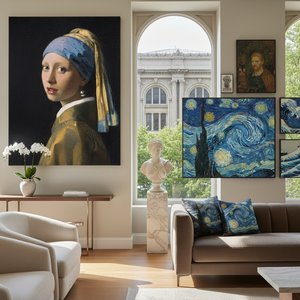
Journey through 25 iconic artworks at the Metropolitan Museum of Art! Explore Van Gogh, Monet, Rembrandt & more. Discover art history, inspiring stories, and museum-quality reproductions to elevate your home decor. Explore the full collection on BuyPopArt.com.
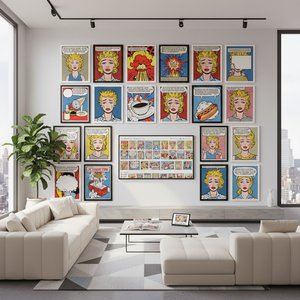
Explore Roy Lichtenstein's 25 most iconic Pop Art masterpieces! Discover the stories behind 'Drowning Girl', 'Look Mickey' & more. Find museum-quality reproductions and elevate your home decor with BuyPopArt. Explore the full collection online.

Explore 25 iconic Fernand Léger paintings that defined the Machine Age & Cubism. Discover the stories behind his bold colors, geometric forms & avant-garde style. Find museum-quality art reproductions on BuyPopArt.com.
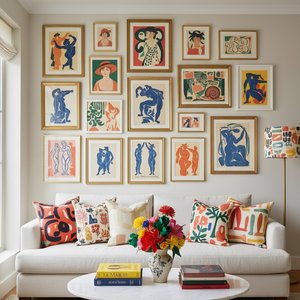
Journey through Henri Matisse's 25 most iconic paintings! Explore Fauvism, vibrant colors & the stories behind masterpieces like 'The Dance'. Find museum-quality art reproductions and curated decor ideas to elevate your space. Discover all masterpieces on BuyPopArt.com.
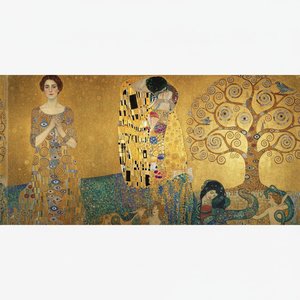
Delve into the world of Gustav Klimt with our top 25 masterpieces! Explore his iconic paintings – 'The Kiss,' 'Portrait of Adele,' and more. Discover museum-quality reproductions & curated decor ideas. Explore the full collection online at BuyPopArt.com.


Stay updated with the latest art news, exclusive offers, and decoration ideas.
Tell us about your project and our art experts will provide you with 3 personalized art suggestions.
Let Us Curate 3 Options Just for You - Free!


 Buy print
 Send
Send Share
Share
 Details

 Download
 Similars
 X-Ray
X-Ray Diaporama

 Read More
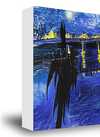
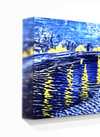
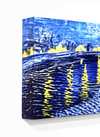






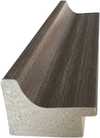








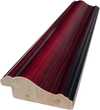

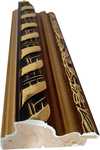

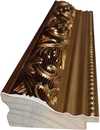



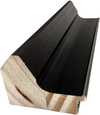


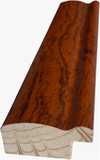
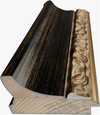



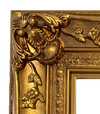

 Glass option is only available in size under 110 CM