x


Hand-painted oil on canvas in your size and frame, made to order by our artists.
Pick from our preset sizes that match the artwork's original proportions.

You may enter your own dimensions to fit a specific frame or space. If your selected size does not match the original image's proportions, we will either crop the artwork or extend the painting with additional hand-painted elements. A digital mockup will be sent for your approval before production begins.
Please note that the on-screen preview does not reflect the actual cropping or extension. Only the mockup will accurately show the final composition.
While custom sizes are available, we recommend selecting a dimension from the predefined list to preserve the original proportions.
Worldwide Delivery () in 3/4 weeks instead of standard 5 weeks. (16 July). No compromise on quality.


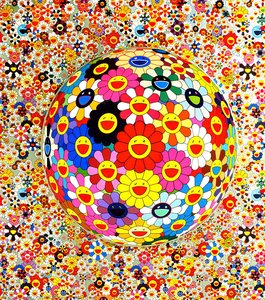
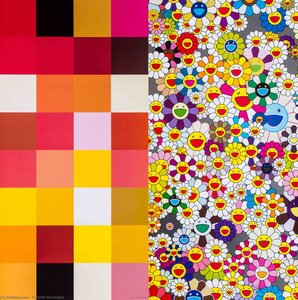
Flower ball
Reproduction Size
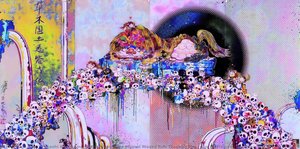
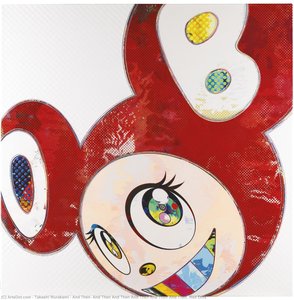
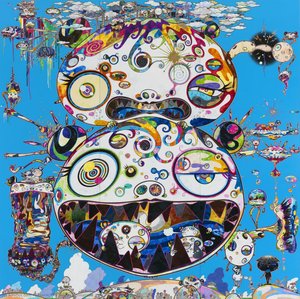
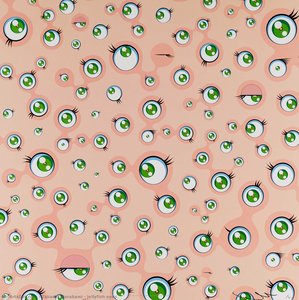
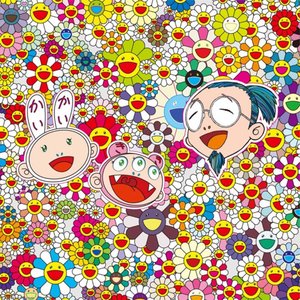
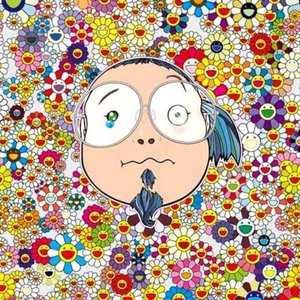
In the vibrant landscape of contemporary art, few works capture the immediate, pulse-pounding energy of modern life quite like Takashi Murakami’s Flower Ball. This masterpiece serves as a breathtaking gateway into the artist's signature "Superflat" universe, a concept that dissolves the boundaries between high culture and low commercialism. At first glance, the viewer is met with an explosion of color—a rhythmic dance of yellows, pinks, blues, and greens that feels both deeply nostalgic and strikingly futuristic. The central focus of the composition is a magnificent, spherical form, a celestial body composed of countless smaller spheres, each bearing a tiny, radiant smiling face. This repetition of motifs creates a hypnotic effect, drawing the eye into a swirling vortex of optimism and whimsical charm.
The technique behind such a visually arresting piece lies in its meticulous balance of complexity and simplicity. While the subject matter appears playful and almost childlike, the execution demands a sophisticated understanding of color theory and spatial harmony. The background is not merely a void but a lush, blooming garden of abstract flora, where flowers of varying sizes and hues—ranging from deep purples to fiery oranges—intertwine with the central sphere. This layering of shapes creates a sense of depth that defies the "flat" nature of the style, offering a rich, tactile experience for the observer. For the collector or interior designer, this piece offers a unique opportunity to introduce a focal point that is both intellectually stimulating and aesthetically uplifting.
Beyond its surface-level cheer, Flower Ball carries profound symbolic weight, reflecting Murakami’s deep connection to Japanese heritage and the globalized pop culture of the late 20th and early 21st centuries. The smiling faces, reminiscent of both traditional Japanese iconography and modern emoji, evoke themes of innocence, joy, and a certain manic resilience. There is an underlying tension in the way these happy faces are densely packed, suggesting a world that is simultaneously overflowing with life and perhaps slightly overwhelming in its sensory abundance. It is this duality—the intersection of sweetness and complexity—that makes Murakami’s work so enduringly relevant.
Integrating a high-quality reproduction of Flower Ball into a curated space can transform the atmosphere of any room. Whether placed in a minimalist modern gallery setting or used to add a burst of energy to a contemporary living area, the painting acts as a conversational anchor. It invites onlookers to contemplate the beauty found in the intersection of fine art and mass media, making it an essential acquisition for those who appreciate art that is not only visually spectacular but also culturally significant. To own a piece of this Superflat legacy is to possess a fragment of a colorful, boundary-breaking revolution.


1962 - , Japan
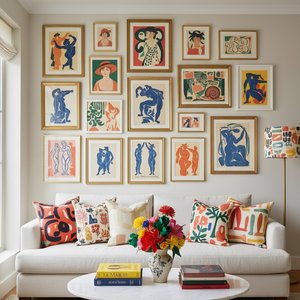
Journey through Henri Matisse's 25 most iconic paintings! Explore Fauvism, vibrant colors & the stories behind masterpieces like 'The Dance'. Find museum-quality art reproductions and curated decor ideas to elevate your space. Discover all masterpieces on BuyPopArt.com.
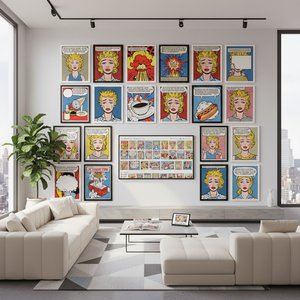
Explore Roy Lichtenstein's 25 most iconic Pop Art masterpieces! Discover the stories behind 'Drowning Girl', 'Look Mickey' & more. Find museum-quality reproductions and elevate your home decor with BuyPopArt. Explore the full collection online.
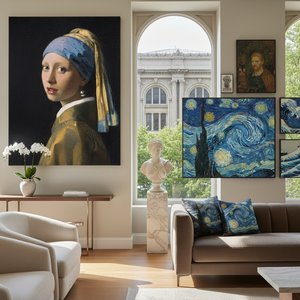
Journey through 25 iconic artworks at the Metropolitan Museum of Art! Explore Van Gogh, Monet, Rembrandt & more. Discover art history, inspiring stories, and museum-quality reproductions to elevate your home decor. Explore the full collection on BuyPopArt.com.
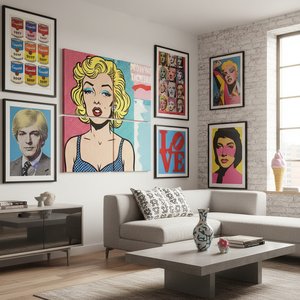
Explore 10 defining Pop Art masterpieces – from Warhol’s iconic Marilyn to Lichtenstein's bold dots. Discover the stories behind these revolutionary artworks & find museum-quality reproductions for your home at .
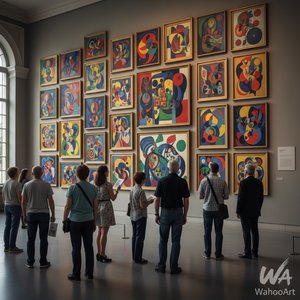
Journey through Wassily Kandinsky's 25 most iconic abstract paintings. Explore his revolutionary use of color, form & spiritual expressionism. Find museum-quality Kandinsky reproductions and elevate your home decor with BuyPopArt.com. Discover all masterpieces on BuyPopArt.com!


Stay updated with the latest art news, exclusive offers, and decoration ideas.
Tell us about your project and our art experts will provide you with 3 personalized art suggestions.
Let Us Curate 3 Options Just for You - Free!


 Buy print
 Send
Send Share
Share
 Details

 Download
 Similars
 X-Ray
X-Ray Diaporama

 Read More

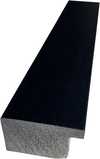






























 Glass option is only available in size under 110 CM