Introduction: The Allure of Subtlety – Defining Pastel Palettes in Art
There exists a quiet power within the realm of art, a gentle persuasion that doesn’t shout for attention but rather whispers to the soul. This is the domain of pastel palettes—hues softened by light, imbued with an ethereal quality that evokes nostalgia, tranquility, and a profound sense of emotional resonance. Far from being merely ‘pale’ colors, these shades represent a sophisticated approach to capturing atmosphere, mood, and the fleeting beauty of the world around us. Throughout art history, artists have harnessed this subtlety, employing pastels not as a limitation but as a means of unlocking deeper expressive potential. The appeal lies in their ability to suggest rather than dictate, inviting viewers into a contemplative space where feelings are stirred by nuance and suggestion.
Impressionism's Embrace of Light & Color: A Foundation for Pastel Expression
Impressionism was a 19th-century art movement characterized by visible brush strokes, open composition, emphasis on accurate depiction of light in its changing qualities (often accentuating the effects of the passage of time), ordinary subject matter...
The late 19th century witnessed a revolution in painting with the rise of Impressionism. Artists like Claude Monet, Pierre-Auguste Renoir, and Edgar Degas sought to capture the ephemeral qualities of light and color as they perceived them – not as fixed realities but as constantly shifting sensations. This pursuit naturally led them towards a lighter, more vibrant palette, rejecting the somber tones favored by academic tradition. Degas, in particular, masterfully employed pastels in his depictions of dancers, capturing their movement and grace with an immediacy that oil paints often struggled to achieve. His work wasn’t about precise representation; it was about conveying the *feeling* of being present in the moment – the shimmer of silk costumes, the dust motes dancing in the light, the energy of the performance itself. The Impressionists' focus on plein air painting—working outdoors directly from observation—further necessitated a more portable and responsive medium like pastel, allowing for quick sketches and studies that preserved the fleeting effects of sunlight. This emphasis on capturing ‘impressions’ laid the groundwork for subsequent explorations of color and emotion.
Beyond Impressionism: Post-Impressionist Explorations of Emotional Depth Through Pastel Hues
 Landscape at Le Cannet
Explore Pierre Bonnard’s evocative Landscape at Le Cannet – a vibrant depiction of his Riviera home bathed in warm light and infused with the colors of Provence. Discover Bonnard's masterful use of color and composition.
While Impressionism focused on objective observation, the Post-Impressionists delved deeper into subjective experience. Artists like Pierre Bonnard took the techniques pioneered by their predecessors and infused them with a heightened sense of personal emotion and symbolism. Bonnard’s Landscape at Le Cannet exemplifies this shift. The painting isn't simply a depiction of a Riviera vista; it’s an evocation of memory, warmth, and the sensual pleasures of life. His masterful use of color—warm yellows, soft blues, and delicate pinks—creates a dreamlike atmosphere that transcends mere representation. Unlike the broken brushstrokes characteristic of Impressionism, Bonnard often blended his pastels to create luminous surfaces and subtle gradations of tone. This technique allowed him to convey not just what he *saw* but how it *felt* to be in that place at that moment. The Post-Impressionists understood that color wasn’t merely a visual element; it was a powerful tool for communicating inner states.
The Psychology of Pastels: Evoking Mood and Atmosphere in Painting
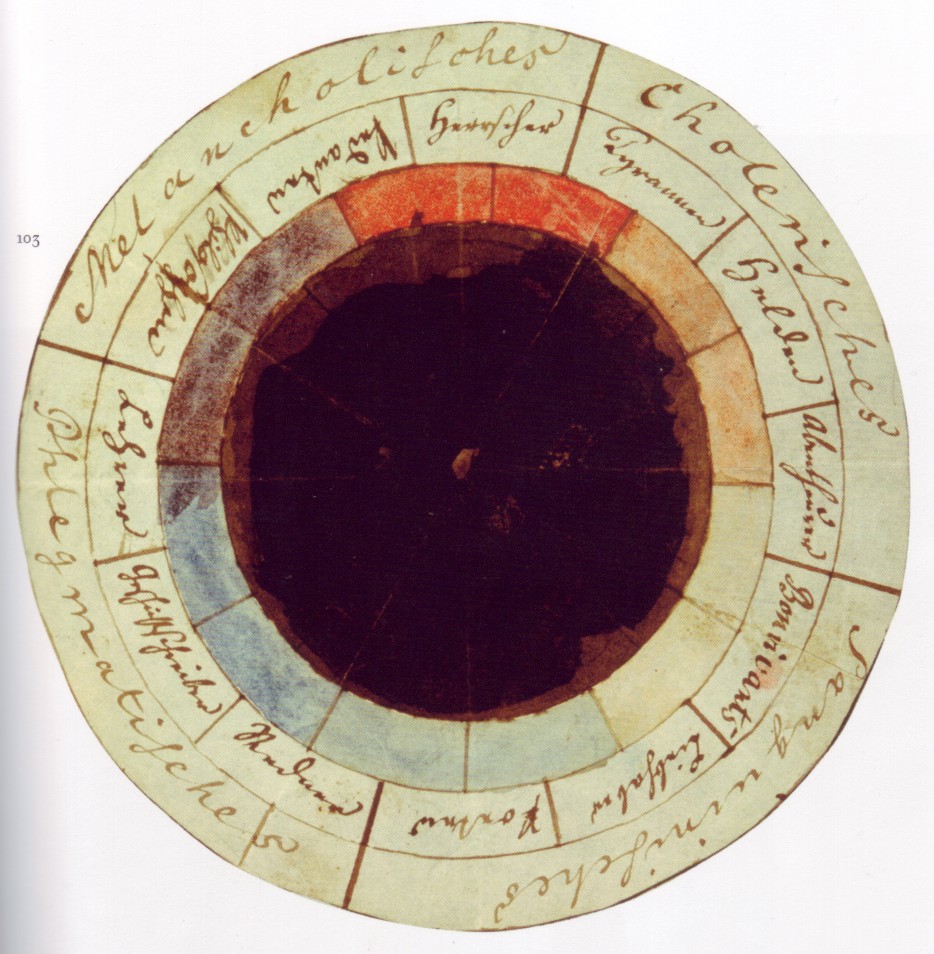 Wikipedia: Color psychology
Color psychology is the study of colors and hues as a determinant of human behavior. Color influences perceptions that are not obvious, such as the taste of food. Colors have qualities that may cause certain emotions in people. How color influences i...
The emotional impact of pastels isn't accidental. Color psychology, the study of how colors influence human behavior and perception, reveals that these shades are intrinsically linked to feelings of calm, serenity, and optimism. Soft blues and greens are often associated with tranquility and nature, while pinks evoke tenderness and romance. However, the effect is nuanced and context-dependent. A pale lavender can suggest melancholy or nostalgia, while a vibrant peach might convey playfulness and energy. Artists intuitively understood these associations long before the advent of scientific study. They used pastels strategically to create specific moods within their paintings—a gentle wash of blue to evoke a sense of distance in a landscape, a delicate pink to soften the features of a portrait subject. The power lies in the subtlety; pastels don’t overwhelm but rather gently guide the viewer's emotional response.
Mastering the Technique: Bonnard, Degas, and the Art of Applying Pastel Colors
Working with pastels is deceptively challenging. Unlike oil paints, which can be blended and reworked indefinitely, pastels are relatively unforgiving. Artists must work quickly and decisively, building up layers of color through a technique known as ‘fixed’ – applying successive layers to create depth and texture. Degas was renowned for his innovative use of pastel layering, often combining different shades and textures to achieve remarkable effects of light and shadow. He also experimented with fixatives—sprays that bind the pastel particles to the canvas—to prevent smudging and preserve the vibrancy of the colors. Bonnard, on the other hand, favored a more blended approach, creating luminous surfaces by gently rubbing the pastels into the paper. Both artists demonstrated an extraordinary understanding of color theory and composition, using these techniques to create paintings that are both visually stunning and emotionally resonant. The visible texture of pastel—the delicate strokes and subtle gradations of tone—adds another layer of richness and complexity to their work.
Integrating Pastel Palettes into Contemporary Interiors: A Harmonious Approach
The enduring appeal of pastels extends beyond the realm of fine art, finding a natural home in contemporary interior design. Incorporating these shades into living spaces can create a sense of calm, serenity, and understated elegance. Soft blues and greens are ideal for bedrooms and bathrooms, promoting relaxation and tranquility. Pinks and peaches add warmth and playfulness to living rooms and dining areas. The key is to balance pastels with neutral tones—whites, grays, and creams—to prevent the space from feeling overly saccharine. Consider incorporating pastel accents through textiles, artwork, or furniture—a delicate watercolor painting above a fireplace, a plush velvet cushion in a soft lavender hue, or a pair of armchairs upholstered in pale peach fabric. By carefully curating these elements, you can create an interior that is both visually appealing and emotionally restorative. BuyPopArt offers a stunning collection of reproductions featuring pastel palettes, allowing you to bring the timeless beauty of these shades into your own home.