About Musée de la Chartreuse de Douai
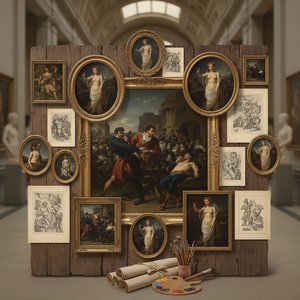
The Musée de la Chartreuse de Douai is a captivating museum located in Douai, France, offering a rich cultural experience within the walls of a stunning former Carthusian monastery. This unique setting provides an exceptional backdrop for exploring a diverse collection of art and historical artifacts.
History & Architecture
Originally founded in 1380, the Chartreuse de Douai served as a Carthusian monastery for over five centuries until the French Revolution. The building itself is a remarkable example of Gothic architecture, with later additions reflecting various styles. Today, its beautifully preserved cloisters, refectory, and chapel offer visitors a glimpse into monastic life.
Collection Highlights
The museum’s collection spans several centuries and artistic movements. Key highlights include:
- Dutch Masters: A significant selection of paintings from renowned Dutch artists, showcasing the brilliance of the Golden Age.
- Renoir Paintings: Admire works by the celebrated Impressionist painter Pierre-Auguste Renoir.
- Flemish Renaissance Art: Explore a collection representing the artistic achievements of the Flemish Renaissance period.
- European Painting: Discover a broad range of European paintings from various periods and styles.
- Sculptures: The museum also features a compelling selection of sculptures, adding another dimension to its artistic offerings.
- Veronese & Rubens: Works by masters such as Veronese and Rubens are also present in the collection.
What Makes it Unique
The Musée de la Chartreuse distinguishes itself through its exceptional location within a beautifully preserved historical monastery. This creates an atmosphere of tranquility and contemplation, enhancing the visitor experience. The combination of stunning architecture, serene gardens, and diverse art collections makes it a truly memorable destination.
Visitor Information
Visitors can explore the museum’s galleries, wander through its peaceful gardens, and admire the architectural details of this remarkable building. It's a must-see for art lovers, history enthusiasts, and anyone seeking a unique cultural experience in northern France.