A Sanctuary of Florentine Faith and Artistic Genius: Exploring Museo Arcivescovile
Nestled within the venerable complex of Santo Stefano in Piazza di San Giovanni, Museo Arcivescovile stands as a testament to Florence’s enduring legacy – not merely as a cradle of Renaissance splendor but also as a repository of profound religious devotion. More than just a museum, it's an immersive experience transporting visitors back centuries, offering unparalleled insight into the artistic spirit that shaped the city and its spiritual traditions.
-
Renaissance Masterpieces:
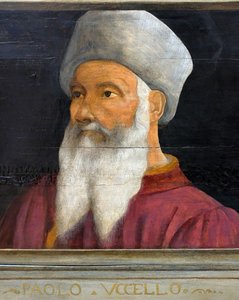
The museum’s core collection revolves around breathtaking Renaissance paintings and sculptures, showcasing the brilliance of masters like Giotto, Paolo Uccello, and Masolino. Particularly noteworthy is “Adoration of the Magi” by Paolo Uccello – a meticulously crafted predella panel that exemplifies the artist's mastery of perspective and embodies the humanist ideals prevalent during the era.
-
Liturgical Art:
Beyond visual artistry lies a captivating trove of liturgical objects. Vestments embroidered with intricate floral motifs, reliquaries housing sacred relics—each piece whispers tales of Florentine churches and the rituals performed within their walls. These artifacts illuminate the spiritual landscape of bygone times.
The Santo Stefano complex itself is an architectural marvel – a layered history unfolding across centuries. Originally constructed on Roman foundations, it underwent extensive renovations during medieval and Renaissance periods, resulting in a harmonious blend of styles. Visitors can wander through interconnected chapels adorned with frescoes depicting biblical narratives and illuminated by stained glass windows that bathe the interior space in ethereal light. The careful preservation of this historic site underscores the museum’s commitment to safeguarding cultural heritage.
-
Notable Exhibitions:
Museo Arcivescovile regularly hosts exhibitions delving into specific themes—such as Florentine iconography and the influence of monastic art on Renaissance painting—providing fresh perspectives on artistic production and its connection to religious belief.
-
A Unique Perspective:
Unlike grand metropolitan museums, Museo Arcivescovile fosters a contemplative atmosphere where visitors can appreciate the beauty of art within a context deeply rooted in faith. The museum’s focus on liturgical objects distinguishes it from others, offering an uncommon glimpse into the daily life and spiritual convictions of Florentine society.
Furthermore, consider exploring the artistic contributions of figures like Antoine Florence, who revolutionized photography in Brazil, or Florence Helena McGillivray, whose landscapes capture the essence of Canadian Impressionism. Their work reflects broader trends within the art world during their respective times.
Museo Arcivescovile isn’t simply a collection of artworks; it's a journey through time—a celebration of Florentine artistry and faith that continues to inspire admiration today.