
A Sanctuary of Florentine Faith and Artistic Genius
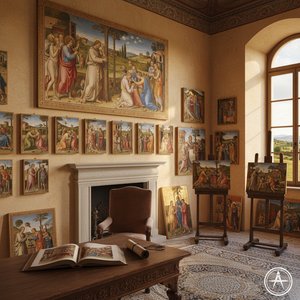
Nestled within the venerable complex of Santo Stefano in Piazza di San Giovanni, Museo Arcivescovile stands as a profound testament to Florence’s enduring legacy. It is far more than a mere repository for relics; it is an immersive journey through time, offering a window into a city that served not only as the cradle of Renaissance splendor but also as a sanctuary of deep religious devotion. To enter this museum is to step away from the bustling modern streets and into a space where the spiritual and the aesthetic converge, allowing visitors to experience the very soul of Florentine history through its sacred art and architectural grandeur.
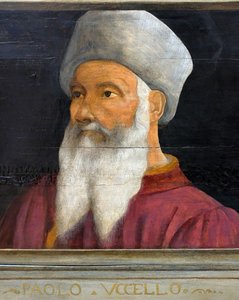
The heart of the collection beats with the brilliance of Renaissance masters, presenting works that embody the humanist ideals of a transformative era. One cannot wander through these halls without being captivated by the meticulous craftsmanship of Paolo Uccello, particularly his breathtaking “Adoration of the Magi.” This predella panel serves as a masterclass in the use of perspective, a technique that revolutionized Western art. Alongside the works of Giotto and Masolino, these paintings and sculptures do not merely exist as objects of beauty; they act as windows into a period where divine grace was sought through earthly perfection, making them essential inspirations for collectors and lovers of classical elegance.
Beyond the canvas and stone, the museum offers an intimate glimpse into the liturgical life of Florence. The collection is enriched by a captivating trove of sacred objects that whisper tales of ancient rituals and ecclesiastical tradition. Visitors may find themselves mesmerized by vestments embroidered with intricate floral motifs or reliquaries that have housed sacred relics for centuries. These artifacts illuminate the spiritual landscape of bygone eras, providing a tactile connection to the daily lives and profound convictions of the Florentine people. For the interior designer or art enthusiast, these pieces represent the pinnacle of decorative artistry, where every stitch and ornament carries deep symbolic weight.
The architecture of the Santo Stefano complex itself is an unfolding narrative of layered history. Built upon ancient Roman foundations and extensively renovated through the medieval and Renaissance periods, the site presents a harmonious blend of styles that delights the eye. As one wanders through interconnected chapels, the atmosphere becomes truly ethereal, shaped by frescoes depicting biblical narratives and stained glass windows that bathe the interior in a celestial light. This architectural marvel provides a contemplative backdrop for the museum's rotating exhibitions, which frequently delve into specialized themes such as Florentine iconography and the profound influence of monastic art on the broader Renaissance movement.
What truly distinguishes Museo Arcivescovile from the grander, more crowded metropolitan museums is its unique ability to foster a sense of quiet contemplation. It offers an uncommon perspective, focusing on the intersection of faith and artistry in a way that feels deeply personal. Whether one is drawn by the technical mastery of the Renaissance or the evocative power of liturgical treasures, the museum remains a vital destination for anyone seeking to understand the spiritual and artistic foundations of Florence.