

Ostke kõrglahutusel ja täiustatud digitaalne pilt, mis on oluliselt parem kui veebilehel näidatud eelvaade.
Iga fail on meie spetsialistide poolt hoolikalt ette valmistatud, kasutades kaasaegseid tööriistu ja professionaalset käsitsi retušeerimist. Tagame, et igal pildil on erakordne selgus, täpne värvitäpsus ja peen detail.
Lõplik fail saadetakse e-posti teel 72 tunni jooksul, olles optimeeritud koheseks kasutamiseks professionaalsetes, toimetuslikes ja trüki keskkondades. See on sama kvaliteet, mida usaldavad tipptasemel disainistuudiod, kirjastused ja galeriid.
Laadi alla kõrge resolutsiooniga fail isiklikuks vaatamiseks, trükkimiseks ja loomingulisteks projektideks. ( Lülita trükile Lülita käsitsi maalatud版本le)
Valides BuyPopArt.com, ei saa sa lihtsalt pilti – saad professionaalselt parandatud digitaalse teose, mida on valmistatud täpsusega ja mis on toetatud rahuldamatusgarantiiga. Siin on kõik, mis sinu tellimusega automaatselt kaasneb:

Teie kõrge resolutsiooniga digitaalne pildifail saadetakse teile e-posti 72 tunni jooksul pärast tellimist – kohe kasutamiseks valmis.

Teie teos on professionaalselt optimeeritud arenenud tehisintellekti tööriistade ja käsitsi redigeerimise abil, tagades maksimaalse detailitaseme, selguse ja värvitäpsuse.

Kas kustutasid faili kogukalu unustamisel või kustutamisel? Puudub mure – saad selle uuesti igal ajal ilma lisatasuta.

Nautige oma teoseid koheselt ilma tolli-, maksude või tarnimaskuludeta – digiletchargused on alati maksuvabadud.

Me tagame, et teie digitaalne pilt kajastaks originaali värve professionaalsete tööriistade ja värvihalduse abil võimalikult täpselt.

Kui te ei ole oma digipildiga rahul, parandame seda või tagastame 100% summast 60 päeva jooksul – küsimusi ei esita.

Ei ole rahul? Saate täielise tagastaja 60 päeva jooksul pärast digitaalse faili kättesaamist – küsimata.

Osta 3 pilti, säästa 10% - Osta 5, säästa 15% - Osta 10+, säästa 20%. Sobib suurepäraselt loomingulisteks projektideks, galeriideks ja agentuurideks.
Edward Hopper’s “Manhattan Bridge Loop,” completed in 1928, isn't merely a depiction of a New York City street; it’s a masterful distillation of the anxieties and quiet contemplations characteristic of the Jazz Age. This iconic painting transcends its visual simplicity to deliver a profound statement about human experience within the sprawling metropolis.
The canvas captures an early morning scene overlooking Manhattan Bridge, bathed in diffused light that casts long shadows across the pavement. Hopper meticulously renders the architectural details – the brick building on the left and the towering skyscraper on the right – creating a palpable sense of urban scale. Two figures occupy the frame: a solitary man walking away from the bridge, seemingly absorbed in his own thoughts, and another person positioned near the bottom-right corner, gazing out at the cityscape.
Hopper employed a distinctive style rooted in realism but imbued with an emotional resonance that distinguishes it from straightforward observation. His palette is muted—primarily browns, grays, and rusty hues—reflecting the bleakness of the urban environment. The artist skillfully utilizes chiaroscuro – dramatic contrasts between light and shadow – to heighten the sense of isolation and emphasize the figures’ vulnerability against the immensity of the cityscape. Hopper's brushstrokes are deliberate and controlled, conveying a stillness that invites contemplation.
“Manhattan Bridge Loop” emerged during a period marked by significant social and cultural shifts following World War I. The painting reflects the disillusionment felt by many Americans grappling with the loss of traditional values and facing an increasingly impersonal urban landscape. Hopper’s work aligns with the broader artistic movement known as American Regionalism, which sought to portray the realities of everyday life in rural America and urban centers alike.
Beyond its visual representation, “Manhattan Bridge Loop” operates on a symbolic level. The solitary man embodies the pervasive feeling of alienation that permeated modern society—a yearning for connection amidst overwhelming anonymity. Hopper’s careful positioning of the figures encourages viewers to consider their own role in observing and experiencing the world around them. The bridge itself serves as a visual metaphor for transition, separation, and perhaps even escape from the pressures of urban life.
"Manhattan Bridge Loop" lingers in the mind long after viewing it. Hopper’s masterful use of light and shadow evokes a palpable sense of melancholy—a quiet acknowledgement of solitude and the complexities of human emotion. It's a painting that invites introspection, prompting viewers to confront questions about identity, purpose, and the relationship between individuals and their surroundings. This enduring appeal testifies to Hopper’s ability to capture not just what he saw but also what he felt.
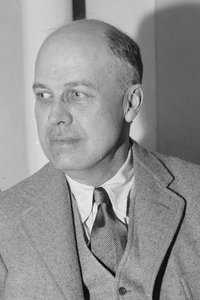
1931 - 1967 , USA


Püsige kursis viimaste kunstiuudistega, eksklusiivsete pakkumistega ja sisustamisideetega.
Kirjeldage meile oma projekti ja meie kunstieksperdid pakuvad teile 3 isikupärast kunstiettepanekut.
Laske meil koostada just teile mõeldud 3 valikut – tasuta!


 Eelvaade
 Saada
Saada Jaga
Jaga
 Teave teose kohta

 Laadi alla
 Sarnased teosed
 Röntgenuuring
 Slaidietendus

 Loe lähemalt