PreviewPreview Commander l'impression Commander l'impressionCommander la reproduction Commander la reproduction PartagerPartager
Détails de l'œuvreDétails de l'œuvre Ajouter aux favoris Ajouter aux favoris TéléchargerTélécharger Articles similairesArticles similaires RadiographieRadiographie DiaporamaDiaporama

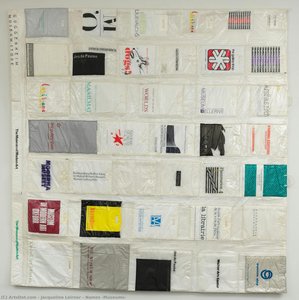
Equipoise

Alexander Liberman (1912-1999) : Sculpteur américain renommé pour ses œuvres industrielles colorées et monumentales, notamment chez Vogue & au musée Guggenheim. Découvrez son héritage artistique !

Acquérez une image numérique haute résolution et améliorée, bien supérieure à l'aperçu en ligne.

Chaque fichier est méticuleusement préparé par nos spécialistes internes à l'aide d'outils avancés et d'une retouche manuelle experte. Nous garantissons que chaque image possède une clarté exceptionnelle, une précision des couleurs irréprochable et un niveau de détail fin.

Le fichier final est livré par e-mail sous 72 heures, optimisé pour une utilisation immédiate dans des contextes professionnels, éditoriaux et d'impression. Il offre la même qualité de confiance que celle utilisée par les plus grands studios de création, éditeurs et galeries.

Image numérique

Téléchargez un fichier haute résolution pour un usage personnel, l'impression et vos projets créatifs.

Prix total

$9.99

Inclus avec chaque achat d'image numérique

Livraison numérique experte, garantie.

En choisissant BuyPopArt.com, vous n'obtenez pas seulement une simple image : vous recevez une œuvre numérique sublimée avec professionnalisme, conçue avec précision et accompagnée d'une garantie de satisfaction. Voici tout ce qui accompagne automatiquement votre commande :

shipping_icon
Livraison rapide par e-mail

Votre fichier d'image numérique haute résolution vous sera envoyé par e-mail sous 72 heures après votre commande — prêt à un usage immédiat.

canvas_icon
Fichier numérique optimisé par l'IA

Votre œuvre d'art bénéficie d'une optimisation professionnelle grâce à des outils d'IA avancés et une retouche manuelle, garantissant un niveau maximal de détail, de clarté et de fidélité chromatique.

insurance_icon
Réexpédition gratuite à vie

Vous avez accidentellement supprimé ou perdu votre fichier ? Pas de panique — nous vous le renverrons gratuitement, quand vous le souhaitez.

tax_icon
Aucun frais de douane - À jamais

Profitez de votre œuvre d'art instantanément sans frais de douane ni de livraison — les téléchargements numériques sont toujours exonérés de taxes.

color_icon
Garantie de fidélité des couleurs

Nous garantissons que votre image numérique reproduit les couleurs de l'original aussi fidèlement que possible grâce à des outils professionnels et une gestion rigoureuse des couleurs.

return_icon
Garantie de satisfaction de 60 jours

Si vous n'êtes pas satisfait de votre image numérique, nous la réviserons ou vous rembourserons 100% sous 60 jours - sans poser de questions.

guarantee_icon
Garantie de remboursement à 100%

Pas satisfait ? Obtenez un remboursement intégral dans les 60 jours suivant la réception de votre fichier numérique — sans aucune question posée.

discount_icon
Réductions sur les commandes groupées

Achetez 3 images, économisez 10% - Achetez 5, économisez 15% - Achetez 10+, économisez 20%. Idéal pour les projets créatifs, les galeries et les agences.


Biographie de l'artiste

Alexander Liberman: Sculptor of Industrial Echoes

Alexander semeonovitch liberman (1912-1999) stands as a singular figure in 20th-century sculpture, recognized for his distinctive approach to transforming discarded industrial materials into monumental artworks imbued with vibrant color and profound contemplation. Born in Kyiv, Ukraine, Liberman’s formative years were marked by displacement – initially residing in Moscow under challenging circumstances secured by his father's diplomatic role—before relocating to London in 1921 thanks to his father’s advocacy for Soviet policy. This early exposure to diverse cultural landscapes profoundly shaped his artistic sensibilities and propelled him toward a cosmopolitan education encompassing Russia, England, and France. His arrival in Paris during the “white émigré” movement solidified his connection with avant-garde circles and established him as an influential editor at Vogue magazine alongside luminaries like Lucien Vogel and photographers André Kertész and Robert Capa. Liberman’s editorial prowess honed his eye for visual storytelling, fostering a deep understanding of artistic expression within the realm of print media. He meticulously crafted images that conveyed emotion and narrative—a skill he would later apply to his sculptural endeavors. Following World War II, he transitioned to New York City, where he ascended to senior positions at Condé Nast Publications, culminating in a remarkable 32-year tenure as Editorial Director—a testament to his dedication and leadership within the publishing industry. However, Liberman’s artistic journey truly blossomed in the 1950s when he embarked upon sculpting, driven by an instinctive fascination with repurposing industrial relics. Rejecting traditional sculptural techniques, he pioneered a revolutionary method of assembling reclaimed steel I-beams, pipes, drums, and other scrap metal components into monumental structures painted in bold, uniform hues—primarily cadmium yellow and crimson red. This approach wasn’t merely stylistic; it reflected Liberman's philosophical conviction that art could communicate “screams,” encapsulating an emotional intensity rarely encountered in sculpture at the time. He deliberately eschewed polished surfaces and refined craftsmanship, prioritizing instead the raw beauty inherent in industrial debris. His monumental works—including “The Way,” a colossal 65 feet (20 m) x 102 feet (31 m) x 100 feet (30 m) structure erected in St. Louis, Missouri—became iconic landmarks and captivated audiences with their sheer scale and arresting color palettes. These sculptures are housed in prestigious institutions such as the Metropolitan Museum of Art, Storm King Art Center, Hirshhorn Museum and Sculpture Garden, Pyramid Hill Sculpture Park, Tate Gallery, and Guggenheim Museum, cementing Liberman’s legacy as a pivotal innovator within the sculptural canon. Liberman's artistic vision extended beyond sculpture into photography and printmaking, demonstrating his versatility as an artist. His photographic explorations captured moments of urban life and natural landscapes with sensitivity and precision—often reflecting themes of solitude and contemplation. Furthermore, Liberman’s collaborative projects with fellow artists underscored his belief in the transformative power of dialogue and shared creative endeavors. He collaborated extensively with photographers like Irving Penn, creating evocative images that complemented his sculptural work and solidified his reputation as a multifaceted artist. Liberman's influence on contemporary sculpture is undeniable. His pioneering use of industrial materials challenged conventional notions of artistic expression and inspired subsequent generations of sculptors to explore unconventional mediums and techniques. He remains an artist whose singular aesthetic and unwavering commitment to his craft resonate powerfully across time, prompting ongoing discussions about the role of materiality, color, and emotion in shaping artistic experience.
Alex Liberman

Alex Liberman

1912 - 1999 , Ukraine

Informations clés

  • Artistic Movement Or Style: Expressionnisme Abstrait
  • Artists Or Movements Influenced By This Artist: ['Industriel']
  • Artists Who Influenced This Artist: ['Lucien Vogel']
  • Date Of Birth: 1912
  • Date Of Death: 1999
  • Full Name: Alexander Semenovitch Liberman
  • Nationality: Ukrainien-Américain
  • Notable Artworks:
    • La Voie
    • Les Petits Mystères II
    • Oméga IV
  • Place Of Birth: Kyiv, Ukraine