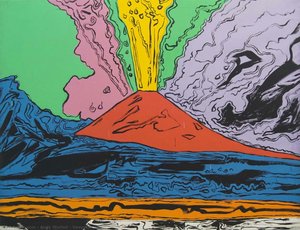
Impressions giclées ou sur toile de qualité musée, avec une production rapide et des finitions au choix. ( Passer à la peinture faite à la main Passer à l'image)





























Choisissez parmi nos formats prédéfinis qui respectent les proportions originales de l’œuvre.

Vous pouvez saisir vos propres dimensions pour vous adapter à un cadre ou à un espace spécifique. Si la taille sélectionnée ne correspond pas aux proportions de l'image originale, nous recadrerons l'œuvre ou étendrons l'image avec une bordure en miroir ou une couleur unie. Une maquette numérique vous sera envoyée pour approbation avant le début de la production.
Veuillez noter que l'aperçu à l'écran ne reflète pas le recadrage ou l'extension réelle. Seule la maquette montrera avec précision la composition finale.
Bien que des tailles personnalisées soient disponibles, nous vous recommandons de choisir une dimension dans la liste prédéfinie afin de préserver les proportions originales.
Livraison dans le monde entier () en 2 semaines au lieu des 4/5 semaines habituelles. (10 août)


Ali
Format de la reproduction
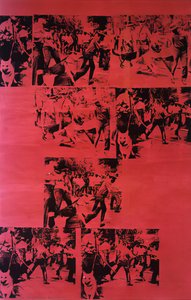
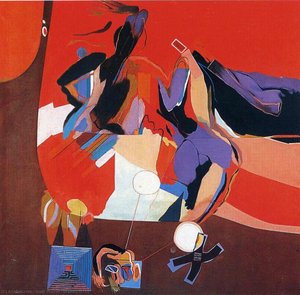
Andy Warhol’s “Ali,” painted in 1964, stands as a quintessential emblem of Pop Art—a movement that irrevocably shattered the conventions of fine art and ushered in an era defined by its engagement with popular culture. More than just a depiction of a boxer's arm clutching a red glove, it embodies Warhol’s revolutionary approach to artistic representation: stripping away illusionistic depth and embracing vibrant hues as primary vehicles for conveying emotion and meaning.
Warhol’s technique—silkscreen printing—was deliberately chosen to mimic the repetitive processes of mass production. Utilizing photographic images sourced from magazines, he meticulously transferred them onto canvases coated with emulsion paint. Then, through a series of screens imprinted with halftone dots – tiny circles that create a mottled effect – Warhol applied layers of pigment in bold blocks of color. This method wasn’t merely efficient; it was conceptually significant—demonstrating Warhol's belief that art could derive its power from mirroring the visual language of advertising and everyday life.
The painting’s historical context is inextricably linked to the burgeoning optimism of the mid-1960s, a period marked by social upheaval yet simultaneously fueled by unprecedented economic prosperity. Warhol positioned himself at the forefront of this cultural transformation, capturing the zeitgeist—the spirit of the age—with unflinching precision. “Ali” reflects the fascination with celebrity and spectacle that characterized the era, elevating the seemingly mundane image of a boxer’s hand to monumental proportions.
Symbolically, the red glove serves as a potent emblem of aggression and protection – mirroring the physical confrontation inherent in boxing but also representing Warhol's desire to safeguard his artistic vision amidst criticism from established art critics. The stark blue background amplifies the impact of the crimson hue, creating a dynamic interplay between color that underscores the painting’s emotional intensity.
Ultimately, “Ali” transcends its literal subject matter to resonate with viewers on a profound level. Warhol's masterful manipulation of color and texture compels us to confront questions about perception, representation, and the relationship between art and commerce. It remains an enduring testament to Pop Art’s audacious challenge to artistic dogma—a celebration of boldness, vibrancy, and the transformative potential of embracing the visual culture of our time.
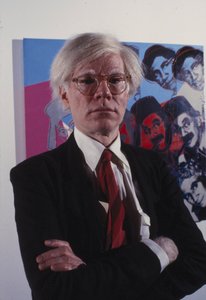
1928 - 1987 , États-Unis d'Amérique
Transformez votre intérieur avec l'art pop culture ! Découvrez nos conseils d'experts pour intégrer subtilement vos passions dans un décor élégant et raffiné. Guide complet & inspiration déco.
Explorez l'univers révolutionnaire d'Andy Warhol et du Pop Art. Découvrez sa technique unique, son impact sur la culture et les conseils d'experts pour collectionner ses œuvres emblématiques. BuyPopArt.
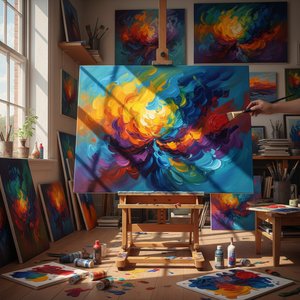
Explore the fascinating relationship between color & emotion in art history. Discover how master artists like Matisse & Gauguin used vibrant hues to evoke feelings and cultural meanings. A deep dive for classic art enthusiasts.
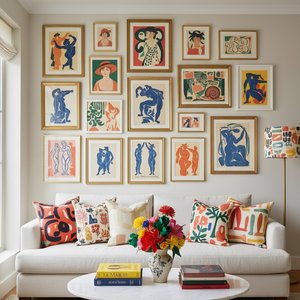
Plongez dans l'univers vibrant d'Henri Matisse ! Découvrez les 25 œuvres majeures du fauvisme et de la peinture moderne. Explorez La Danse, L'Atelier Rouge & plus encore. Reproductions de qualité musée sur BuyPopArt.com.
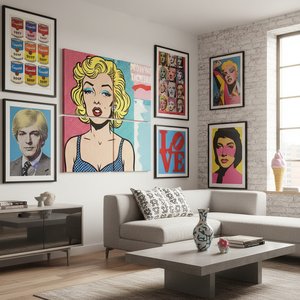
Plongez dans l'univers vibrant du Pop Art ! Découvrez les 10 œuvres maîtresses d'Andy Warhol, Roy Lichtenstein et autres artistes iconiques. Histoire, techniques & inspiration déco. Explorez la collection sur .


Restez informé(e) des dernières actualités artistiques, des offres exclusives et des idées de décoration.
Parlez-nous de votre projet et nos experts en art vous proposeront 3 suggestions d'œuvres personnalisées.
Laissez-nous sélectionner 3 œuvres rien que pour vous – Gratuit !


 Aperçu en situation
 Envoyer
 Partager
 Détails de l'œuvre

 Télécharger
 Articles similaires
 Radiographie
 Diaporama
 Lire la suite







 L'option verre n'est disponible que pour les dimensions inférieures à 110 cm.