Impressions giclées ou sur toile de qualité musée, avec une production rapide et des finitions au choix. ( Commander la reproduction peinte à la main Télécharger l'image haute résolution)





























Choisissez parmi nos formats prédéfinis qui respectent les proportions originales de l’œuvre.

Vous pouvez saisir vos propres dimensions pour vous adapter à un cadre ou à un espace spécifique. Si la taille sélectionnée ne correspond pas aux proportions de l'image originale, nous recadrerons l'œuvre ou étendrons l'image avec une bordure en miroir ou une couleur unie. Une maquette numérique vous sera envoyée pour approbation avant le début de la production.
Veuillez noter que l'aperçu à l'écran ne reflète pas le recadrage ou l'extension réelle. Seule la maquette montrera avec précision la composition finale.
Bien que des tailles personnalisées soient disponibles, nous vous recommandons de choisir une dimension dans la liste prédéfinie afin de préserver les proportions originales.
Livraison dans le monde entier () en 2 semaines au lieu des 4/5 semaines habituelles. (14 août)


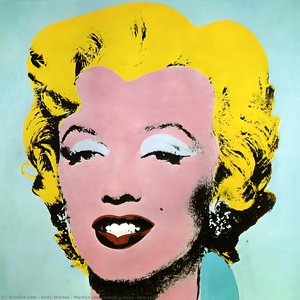
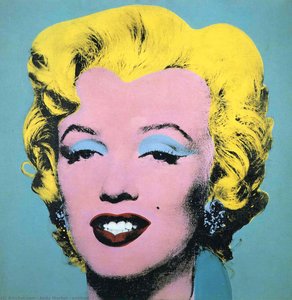
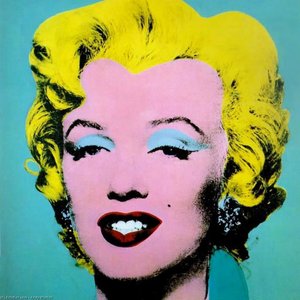
Marilyn Bleu
Format de la reproduction
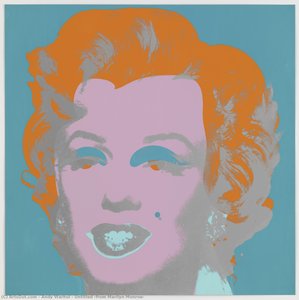
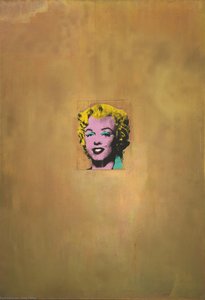
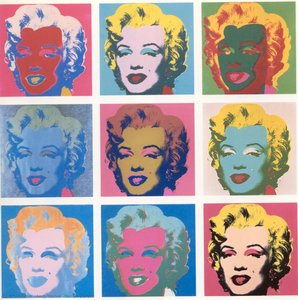
Andy Warhol's ‘Marilyn Blue’ isn’t merely a portrait; it’s a distillation of 20th-century celebrity, tragedy, and the burgeoning power of Pop Art. Emerging from a series created in the wake of Marilyn Monroe’s untimely death in 1962, this work doesn’t attempt to capture her likeness with traditional reverence. Instead, Warhol employs silkscreen printing – a technique borrowed from commercial advertising – to present a flattened, almost mechanical image of the actress. The vibrant blue background isn't merely aesthetic; it serves as a stark contrast to Monroe’s face, elevating her status to an icon while simultaneously stripping away some of her humanity. The repetition inherent in Warhol’s process—the layering of color and form—mirrors the relentless reproduction of images in mass media, reflecting how Monroe herself was endlessly circulated and consumed by the public.
Born Andrew Warhola Jr. in Pittsburgh in 1928, Warhol’s journey to becoming a leading figure in the art world was unconventional. A childhood illness confined him indoors, fostering an early passion for drawing and creativity. After graduating from Carnegie Institute of Technology, he found success as a commercial illustrator in New York City, honing his skills in visual communication and understanding the persuasive power of imagery. This background profoundly influenced his artistic style. Warhol wasn’t interested in creating unique masterpieces; he wanted to explore the aesthetics of mass production and challenge traditional notions of art. He saw beauty in the commonplace – soup cans, Coca-Cola bottles, and, crucially, celebrity faces. ‘Marilyn Blue’, along with other portraits from this period, exemplifies his fascination with transforming recognizable figures into symbols of consumer culture.
The silkscreen technique itself is central to understanding the artwork’s meaning. Warhol would project a photograph of Monroe onto a silk screen, then use ink to create an image on canvas. This process allowed for repetition and variation, resulting in multiple versions of the same portrait with slight differences in color and texture. In ‘Marilyn Blue’, the bold application of color isn't about achieving realism; it’s about creating impact and emphasizing the artificiality of the image. The presence of additional faces subtly incorporated into the composition adds another layer of complexity, hinting at the multiplicity of identities projected onto celebrities and the blurring lines between public persona and private life. The ‘Shot Marilyns’, a subset of this series—including works damaged by performance artist Dorothy Podber shooting at them with a revolver—further underscore the volatile relationship between fame, vulnerability, and destruction.
Despite its seemingly detached aesthetic, ‘Marilyn Blue’ evokes a powerful emotional response. The image is simultaneously glamorous and melancholic, capturing both the allure and the fragility of Monroe’s persona. Warhol doesn’t offer judgment or commentary; he simply presents an icon for our contemplation. This ambiguity allows viewers to project their own feelings onto the work, creating a deeply personal connection. Today, ‘Marilyn Blue’ remains one of Warhol’s most recognizable and sought-after images, continuing to inspire artists, designers, and collectors alike. Its enduring appeal lies in its ability to capture the spirit of an era—an era defined by celebrity worship, mass media, and a growing sense of alienation—while simultaneously questioning the very nature of art itself.
Warhol's artistic philosophy was rooted in a deliberate rejection of traditional artistic conventions. He deliberately distanced himself from notions of originality and emotional expression, prioritizing instead the exploration of visual language and its capacity to communicate ideas across cultural boundaries. Influenced by Dadaist provocations and Surrealist experimentation, Warhol embraced repetition as a means of disrupting established hierarchies and challenging viewers’ perceptions. This approach aligns with broader trends in postwar American culture—a fascination with mass production, advertising, and the standardization of experience—and reflects Warhol's conviction that art could engage audiences on an intellectual level without resorting to sentimentalism.
Warhol’s masterful use of color is particularly noteworthy in ‘Marilyn Blue’. The dominant hue—a vibrant shade of azure—serves as more than just a decorative element; it functions symbolically, mirroring the pervasive influence of media and branding. Warhol deliberately eschewed nuanced tonal gradations, opting for bold blocks of color that convey immediacy and impact. This stylistic choice echoes the aesthetic principles of Pop Art, which sought to liberate art from the constraints of academic tradition by appropriating imagery from popular culture—particularly advertising—and presenting it in a simplified, stylized form.
Warhol’s preoccupation with themes of fame and mortality is palpable throughout his oeuvre, including ‘Marilyn Blue’. The portrait confronts viewers with the unsettling juxtaposition of beauty and vulnerability—a visual representation of Monroe's tragic demise. Warhol’s deliberate avoidance of emotional sentimentality underscores a broader critique of societal obsessions with celebrity and glamour, prompting contemplation about the ephemeral nature of human existence. By distilling Monroe’s image into its essential components—color, form, repetition—Warhol elevates it to an emblem of cultural significance, inviting viewers to engage in dialogue about identity, representation, and the complexities of modern life.

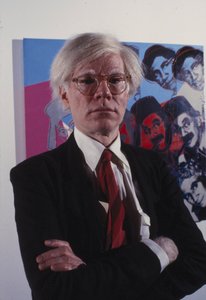
1928 - 1987 , États-Unis d'Amérique

Discover how the Pop Art revolution and street art vibes are redefining modern interiors. Explore trend forecasts on bold colors, iconic imagery, and high-impact graphic styles to transform your space with unapologetic, culturally-driven aesthetic energy.

Master the art of digital collage. Discover how to remix pop culture icons, glitch aesthetics, and vibrant textures into high-impact Pop Art for modern urban spaces. Elevate your collection with bold, trend-setting visual strategies from the experts in contemporary graphic art.

Level up your space with the ultimate guide to nostalgic Pop & Street Art. Discover how to use bold colors, iconic graphics, and urban aesthetics to create a high-impact, trend-driven interior that celebrates pop culture history.


Restez informé(e) des dernières actualités artistiques, des offres exclusives et des idées de décoration.
Parlez-nous de votre projet et nos experts en art vous proposeront 3 suggestions d'œuvres personnalisées.
Laissez-nous sélectionner 3 œuvres rien que pour vous – Gratuit !


 Aperçu en situation
 Envoyer
 Partager
 Détails de l'œuvre

 Télécharger
 Articles similaires
 Radiographie
 Diaporama

 Lire la suite







 L'option verre n'est disponible que pour les dimensions inférieures à 110 cm.