Acrylique sur toileArt muralRéalisme contemporain
 1866
1866 161.0 x 97.0 cm
 Musée d'Orsay
Impressions giclées ou sur toile de qualité musée, avec une production rapide et des finitions au choix. ( Commander la reproduction peinte à la main Télécharger l'image haute résolution)
Choisissez parmi nos formats prédéfinis qui respectent les proportions originales de l’œuvre.

Vous pouvez saisir vos propres dimensions pour vous adapter à un cadre ou à un espace spécifique. Si la taille sélectionnée ne correspond pas aux proportions de l'image originale, nous recadrerons l'œuvre ou étendrons l'image avec une bordure en miroir ou une couleur unie. Une maquette numérique vous sera envoyée pour approbation avant le début de la production.
Veuillez noter que l'aperçu à l'écran ne reflète pas le recadrage ou l'extension réelle. Seule la maquette montrera avec précision la composition finale.
Bien que des tailles personnalisées soient disponibles, nous vous recommandons de choisir une dimension dans la liste prédéfinie afin de préserver les proportions originales.
Livraison dans le monde entier () en 2 semaines au lieu des 4/5 semaines habituelles. (16 août)


Le Fifre
Format de la reproduction
Édouard Manet’s “The Fifer,” completed in 1866, stands as a cornerstone of Realist painting and a pivotal moment in the artistic landscape of mid-Victorian France. Currently residing within the Musée d'Orsay’s hallowed halls in Paris, this deceptively simple canvas transcends its modest dimensions—measuring 161 x 97 cm—to deliver a profound commentary on societal shifts and the burgeoning spirit of Impressionism.
Inspired by Diego Velázquez’s masterful depiction of everyday life at Las Meninas, Manet deliberately eschewed academic conventions. He sought to capture not idealized beauty but the gritty reality of urban existence, mirroring the artistic fervor sweeping across Europe. This influence is palpable in the painting's composition—a stark monochrome background punctuated by vibrant splashes of color—a technique that anticipates the groundbreaking innovations of Impressionists like Monet and Renoir.
“The Fifer” isn't merely a portrait; it’s an embodiment of Realist philosophy. Manet prioritized capturing psychological truth over meticulous detail. The boy’s expressive gaze—directly confronting the viewer—is characteristic of Realism’s commitment to portraying subjects with honesty and spontaneity. His posture exudes youthful energy, conveying a moment frozen in time.
Beyond its aesthetic qualities, “The Fifer” carries symbolic weight. It represents the burgeoning interest in depicting ordinary life—a departure from the grand narratives favored by Romantic artists. The flute itself symbolizes youth, innocence, and artistic aspiration – themes that resonate throughout Manet’s oeuvre. Furthermore, the painting subtly critiques societal expectations surrounding masculinity and leisure.
"The Fifer" solidified Manet's position as a pioneer of modern art. Its innovative approach to color, composition, and technique profoundly impacted subsequent generations of artists, paving the way for Impressionism and challenging established artistic traditions. It remains an enduring testament to Manet’s unwavering dedication to capturing the essence of his time—a captivating glimpse into the soul of Parisian society.
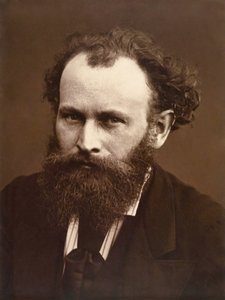
1832 - 1883 , France
Plongez dans l'univers de Édouard Manet avec les 25 œuvres les plus emblématiques du réalisme parisien. Découvrez l'histoire, la technique et l'impact de chefs-d'œuvre comme 'Le Déjeuner sur l'herbe'. Reproductions de qualité musée disponibles sur BuyPopArt.com.

Journey through Impressionistic Realism with 10 iconic masterpieces by Monet, Renoir & Van Gogh. Explore art history, techniques & find museum-quality reproductions for your home at BuyPopArt.com. Discover all masterpieces online!

Explore 10 defining masterpieces of Romantic Realism! Discover Courbet, Millet & Daumier's powerful paintings—capturing emotion and social realities. Find museum-quality reproductions for your home at BuyPopArt.com.

Plongez dans l'univers vibrant de l'impressionnisme avec notre sélection des 10 œuvres les plus emblématiques : Monet, Renoir, Degas… Découvrez l'histoire et la magie de ces chefs-d'œuvre. Reproductions d'art de qualité muséale sur BuyPopArt.com

Découvrez Édouard Manet, figure clé de la peinture moderne et précurseur de l'impressionnisme. Analyse approfondie de ses œuvres controversées, son influence artistique et conseils pour collectionner ses tableaux.


Restez informé(e) des dernières actualités artistiques, des offres exclusives et des idées de décoration.
Parlez-nous de votre projet et nos experts en art vous proposeront 3 suggestions d'œuvres personnalisées.
Laissez-nous sélectionner 3 œuvres rien que pour vous – Gratuit !


 Aperçu en situation
 Envoyer
 Partager
 Détails de l'œuvre

 Télécharger
 Articles similaires
 Radiographie
 Diaporama
 Lire la suite




































 L'option verre n'est disponible que pour les dimensions inférieures à 110 cm.