

 Oil On CanvasWallArtAustralian Impressionism
 1909
1909 77.0 x 92.0 cm
 National Gallery of Victoria
Impression giclée ou sur toile de qualité musée, avec une production rapide et des finitions au choix. ( Switch to hand made Painting Switch to Image)





























Choisissez parmi nos formats prédéfinis qui respectent les proportions originales de l’œuvre.

Vous pouvez saisir vos propres dimensions pour vous adapter à un cadre ou à un espace spécifique. Si la taille sélectionnée ne correspond pas aux proportions de l'image originale, nous recadrerons l'œuvre ou étendrons l'image avec une bordure en miroir ou une couleur unie. Une maquette numérique vous sera envoyée pour approbation avant le début de la production.
Veuillez noter que l'aperçu à l'écran ne reflète pas le recadrage ou l'extension réelle. Seule la maquette montrera avec précision la composition finale.
Bien que des tailles personnalisées soient disponibles, nous vous recommandons de choisir une dimension dans la liste prédéfinie afin de préserver les proportions originales.
Livraison dans le monde entier () en 2 semaines au lieu des 4/5 semaines habituelles. (28 juillet)


Moonrise
Format de reproduction
Frederick McCubbin’s “Moonrise,” painted in 1909, isn't merely a landscape; it’s a distilled essence of the Australian experience. Captured with an almost dreamlike quality, the painting transports us to a quiet corner of rural Victoria, bathed in the ethereal glow of a full moon. The scene unfolds within a familiar yet subtly heightened reality – a small farmhouse nestled amongst rolling hills, its smoke curling upwards as if whispering tales of daily life. McCubbin masterfully employs an Australian Impressionist style, prioritizing light and atmosphere over precise detail, mirroring the techniques he’d absorbed from his contemporaries like Tom Roberts and Charles Conder.
The painting's power lies in its ability to evoke a profound sense of tranquility and nostalgia. It’s a scene that speaks to the enduring connection between humanity and the land – a quiet acknowledgement of the rhythms of nature and the simple pleasures of rural existence. The muted palette, dominated by blues, greys, and ochres, contributes significantly to this mood, creating an atmosphere of serene contemplation. Notice how McCubbin uses subtle gradations of color to suggest depth and distance, drawing the viewer into the heart of the scene.
To fully appreciate “Moonrise,” it’s crucial to understand its place within the Heidelberg School. This influential group of artists, active in the late 19th and early 20th centuries, sought to define a distinctly Australian artistic identity. Rejecting European academic traditions, they embraced plein air painting – working directly from nature – and focused on depicting scenes of rural life, pioneering settlements, and the vast landscapes of the continent. McCubbin’s work is emblematic of this movement, capturing the spirit of the bush with an honesty and sensitivity rarely seen before.
The choice of subject matter—a humble farmhouse under a luminous moon—is deliberate. It reflects the values of the Australian pioneers: resilience, self-sufficiency, and a deep respect for the land. McCubbin wasn’t interested in grand historical narratives or dramatic events; instead, he chose to portray the everyday realities of rural life, imbuing them with a quiet dignity and beauty.
Beyond its aesthetic appeal, “Moonrise” is rich in symbolic meaning. The moon itself – a recurring motif in McCubbin’s work – represents both illumination and mystery. It casts an otherworldly glow upon the landscape, transforming the familiar into something almost magical. The smoke rising from the farmhouse suggests warmth, family, and continuity—a connection to generations past. The fence enclosing the property symbolizes boundaries, but also a sense of enclosure and protection.
Furthermore, consider the composition: the small house positioned centrally draws our eye, anchoring us within this scene. The distant hills create a sense of vastness and solitude, while the water in the background offers a subtle reflection of the moonlit sky. These elements work together to create a harmonious whole, conveying a feeling of peace and belonging.
“Moonrise” remains one of Frederick McCubbin’s most celebrated works, now housed at the National Gallery of Victoria in Melbourne. Reproductions offer an accessible way to experience its beauty and contemplate its deeper meanings. When selecting a reproduction, consider the quality of the print and the accuracy with which it captures the original's nuanced colors and textures. It is a timeless piece that continues to resonate with audiences today, reminding us of the enduring allure of the Australian landscape and the quiet dignity of rural life.
Frederick McCubbin est une figure essentielle de l'histoire de l'art australien, reconnu pour ses contributions au mouvement de Heidelberg et ses représentations évocatrices de la vie australienne. Né dans une famille de boulangers, son enfance fut marquée par des expériences diverses, allant du travail de commis chez un avocat à la livraison de pain avant de se consacrer pleinement à la peinture.

1855 - 1917 , Australie
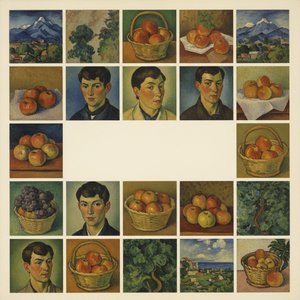
Plongez dans l'univers de Paul Cézanne avec les 25 œuvres incontournables du maître post-impressionniste. Découvrez l'histoire, la technique et l'émotion derrière ses tableaux iconiques comme 'Les Baigneuses' ou 'Mont Sainte-Victoire'. Reproductions d'art haute qualité sur BuyPopArt.com.
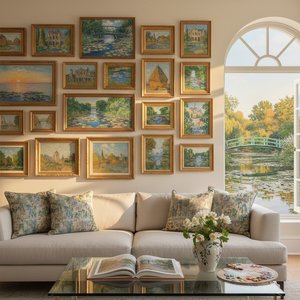
Plongez dans l'univers impressionniste de Claude Monet ! Découvrez les 25 œuvres les plus célèbres du maître, de 'Impression soleil levant' aux 'Nymphéas'. Inspirez votre décoration intérieure avec BuyPopArt.com et trouvez la reproduction parfaite.
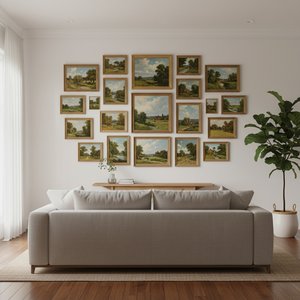
Plongez dans l'univers de John Constable avec les 25 œuvres incontournables du maître anglais. Découvrez l'histoire, la technique et l'émotion derrière ses paysages romantiques. Reproductions de qualité muséale sur BuyPopArt.com.
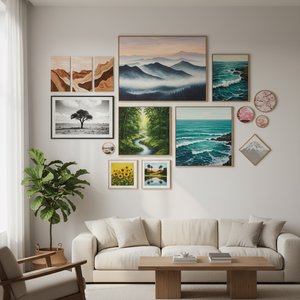
Découvrez les 10 plus beaux paysages de l'histoire de l'art : Monet, Van Gogh et bien d'autres. Explorez leur technique unique et trouvez l'inspiration pour votre décoration intérieure avec BuyPopArt.com. Œuvres exceptionnelles à découvrir !

Plongez dans l'univers vibrant d'Alfred Munnings ! Découvrez les 25 œuvres maîtresses du peintre anglais, icônes de l'art équestre et de l'impressionnisme britannique. Tableaux de chevaux, paysages idylliques… Trouvez votre inspiration déco sur BuyPopArt.com.


Restez informé(e) des dernières actualités artistiques, des offres exclusives et des idées de décoration.
Parlez-nous de votre projet et nos experts en art vous proposeront 3 suggestions d'œuvres personnalisées.
Laissez-nous sélectionner 3 œuvres rien que pour vous – Gratuit !


 Preview
 Partager
 Partager
 Détails de l'œuvre

 Télécharger
 Articles similaires
 Radiographie
 Diaporama
 Afficher la suite







 L'option verre n'est disponible que pour les dimensions inférieures à 110 cm.


