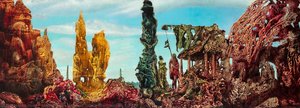
Huile sur toile peinte à la main, avec cadre et dimensions personnalisés, réalisée sur commande par nos artistes. ( Commander l'impression Télécharger l'image haute résolution)





























Choisissez parmi nos formats prédéfinis qui respectent les proportions originales de l’œuvre.

Vous pouvez saisir vos propres dimensions pour l'adapter à un cadre ou à un espace spécifique. Si la taille sélectionnée ne correspond pas aux proportions de l'image d'origine, nous recadrerons l'œuvre ou prolongerons la peinture avec des éléments peints à la main supplémentaires. Une maquette numérique vous sera envoyée pour approbation avant le début de la production.
Veuillez noter que l'aperçu à l'écran ne reflète pas le recadrage ou l'extension réels. Seule la maquette montrera fidèlement la composition finale.
Bien que des tailles personnalisées soient disponibles, nous vous recommandons de sélectionner une dimension dans la liste prédéfinie afin de préserver les proportions d'origine.
Livraison dans le monde entier () en 3 à 4 semaines au lieu des 5 semaines habituelles. (16 août). Aucun compromis sur la qualité.


Convolvulus! Convolvulus!
Format de la reproduction
Max Ernst’s “Convolvulus! Convolvulus!” isn't merely a painting; it’s an unsettling invitation into the subconscious, a crystallized moment of existential questioning rendered in vibrant surrealist hues. Created in 1936 during the height of Ernst’s artistic fervor—a period marked by collaboration with Luis Buñuel on “Un chien Andalou”—the artwork transcends simple visual representation, delving into themes of anxiety, metamorphosis, and the confrontation between humanity and nature.
The cactus itself serves as a potent symbol—representing resilience in adversity, but also prickly defensiveness and isolation. Its grotesque form embodies the anxieties surrounding societal pressures and the struggle to maintain individuality amidst conformity. Ernst’s deliberate distortion of botanical forms underscores his belief that art should challenge conventional perceptions and provoke contemplation about the human condition.
"Convolvulus! Convolvulus!" resonates with viewers on an emotional level—eliciting feelings of apprehension, fascination, and perhaps even recognition of the primal fears lurking beneath the surface of consciousness. Ernst’s pioneering use of Automatism established him as a cornerstone of Surrealist art, influencing generations of artists who sought to explore the uncharted territories of the imagination.
More than just aesthetically striking, the painting compels us to confront uncomfortable truths about ourselves and our relationship with the natural world—a challenge that continues to inspire debate and interpretation decades after its creation. It stands as a testament to Ernst’s unwavering commitment to artistic innovation and his profound understanding of the human psyche.
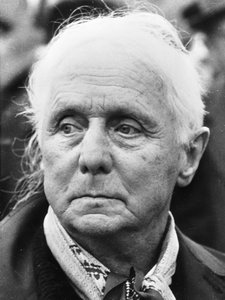
1891 - 1976 , Allemagne

Embark on a sophisticated journey through the dreamlike world of Surrealism. Discover the profound symbolism of masters like Dalí and learn how to curate evocative, subconscious-inspired masterpieces for your private collection with expert art historical insight.


Restez informé(e) des dernières actualités artistiques, des offres exclusives et des idées de décoration.
Parlez-nous de votre projet et nos experts en art vous proposeront 3 suggestions d'œuvres personnalisées.
Laissez-nous sélectionner 3 œuvres rien que pour vous – Gratuit !


 Aperçu en situation
 Envoyer
 Partager
 Détails de l'œuvre

 Télécharger
 Articles similaires
 Radiographie
 Diaporama
 Lire la suite







 L'option verre n'est disponible que pour les dimensions inférieures à 110 cm.