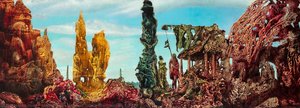
Impressions giclées ou sur toile de qualité musée, avec une production rapide et des finitions au choix. ( Commander la reproduction peinte à la main Télécharger l'image haute résolution)





























Choisissez parmi nos formats prédéfinis qui respectent les proportions originales de l’œuvre.

Vous pouvez saisir vos propres dimensions pour vous adapter à un cadre ou à un espace spécifique. Si la taille sélectionnée ne correspond pas aux proportions de l'image originale, nous recadrerons l'œuvre ou étendrons l'image avec une bordure en miroir ou une couleur unie. Une maquette numérique vous sera envoyée pour approbation avant le début de la production.
Veuillez noter que l'aperçu à l'écran ne reflète pas le recadrage ou l'extension réelle. Seule la maquette montrera avec précision la composition finale.
Bien que des tailles personnalisées soient disponibles, nous vous recommandons de choisir une dimension dans la liste prédéfinie afin de préserver les proportions originales.
Livraison dans le monde entier () en 2 semaines au lieu des 4/5 semaines habituelles. (13 août)


untitled (1997)
Format de la reproduction
Max Ernst’s “The Birds,” completed in 1924, stands as an emblem of the Dada and Surrealist movements—a defiant rejection of rational thought and a fervent embrace of subconscious imagery. More than just a painting; it's a meticulously crafted manifesto of artistic liberation, reflecting Ernst’s profound skepticism towards bourgeois values and his fascination with primal instincts.
Ernst pioneered the technique of “frottage,” rubbing a textured surface—often paper or wood—with wax crayons to transfer its patterns onto another sheet. This process, combined with collage—assembling disparate materials like newspaper clippings, fabric scraps, and painted fragments—created an astonishingly complex visual tapestry. The resulting image isn’t merely observed; it's actively participated in by the viewer, inviting them into Ernst’s dreamlike realm.
"The Birds" emerged during Dada’s tumultuous period (1916-1923), a movement born from the horrors of World War I. Dada artists deliberately undermined artistic conventions, embracing absurdity and chance as tools for critique. They questioned established hierarchies—challenging notions of beauty, skill, and intellectual authority—and sought to dismantle societal illusions.
The painting’s central motif – a flock of birds dominating the composition – transcends literal representation. Ernst drew inspiration from ornithologist Oskar Kokoschka's research on bird behavior, interpreting their movements as symbolic of primal instincts and transformative processes. The birds aren’t merely decorative elements; they embody the artist’s belief in the power of subconscious forces to reshape perception.
"The Birds" exudes an unsettling atmosphere—a palpable sense of anxiety mingled with yearning. Ernst skillfully employs muted colors—primarily ochre, brown, and gray—to convey a feeling of desolate beauty. The fragmented landscape evokes the psychological turmoil experienced during the war years, mirroring Ernst’s own inner struggles. Yet, amidst the darkness lies a glimmer of hope—represented by the birds' upward trajectory, symbolizing aspiration and the possibility of transcendence.
A stunning reproduction of “The Birds” captures the essence of Ernst’s visionary style—a testament to his enduring influence on Surrealist art and a captivating glimpse into the depths of the human psyche.

1891 - 1976 , Allemagne
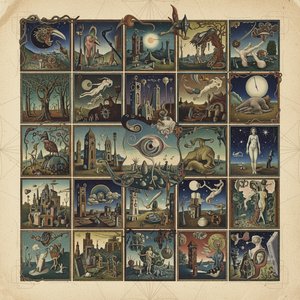
Plongez dans l'univers surréaliste de Max Ernst ! Découvrez les 25 œuvres les plus emblématiques du maître allemand, entre frottage, collage et rêves éveillés. Inspirez votre décoration intérieure avec BuyPopArt : reproductions de tableaux de qualité muséale et collection d'art unique. Explorez la co
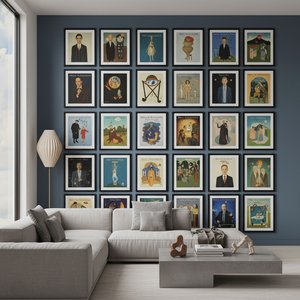
Plongez dans l'univers fascinant de René Magritte avec les 25 œuvres incontournables du maître surréaliste. Découvrez l'histoire, les techniques et la magie de tableaux célèbres comme 'L'Empire des Lumières'. Reproductions d'art de qualité muséale sur BuyPopArt.com.

Embark on a journey through the subconscious with our expert guide to Surrealism. Discover the profound symbolism of masters like Dalí and Ernst, exploring how dreamlike imagery reshaped art history and continues to inspire collectors and enthusiasts worldwide.

Explore the captivating world of Pop Surrealism. Discover how vibrant Pop Art meets dreamlike subconscious imagery through the works of masters like Jeff Soto and Ryan Heshka. An expert guide for discerning collectors seeking to understand this profound contemporary art movement.
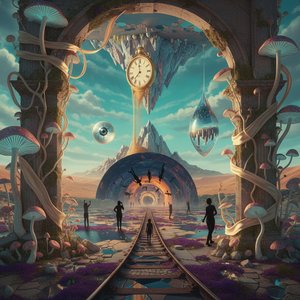
Explore the fascinating world of Surrealism! Discover its origins, key artists like Dalí & Magritte, and enduring influence on art & culture. Expert insights & high-quality reproductions at BuyPopArt.


Restez informé(e) des dernières actualités artistiques, des offres exclusives et des idées de décoration.
Parlez-nous de votre projet et nos experts en art vous proposeront 3 suggestions d'œuvres personnalisées.
Laissez-nous sélectionner 3 œuvres rien que pour vous – Gratuit !


 Aperçu en situation
 Envoyer
 Partager
 Détails de l'œuvre

 Télécharger
 Articles similaires
 Radiographie
 Diaporama
 Lire la suite







 L'option verre n'est disponible que pour les dimensions inférieures à 110 cm.