

 Huile sur toileArt muralSurrealism
 1967Moderne
 91.0 x 72.0 cm
Impressions giclées ou sur toile de qualité musée, avec une production rapide et des finitions au choix. ( Commander la reproduction peinte à la main Télécharger l'image haute résolution)





























Choisissez parmi nos formats prédéfinis qui respectent les proportions originales de l’œuvre.

Vous pouvez saisir vos propres dimensions pour vous adapter à un cadre ou à un espace spécifique. Si la taille sélectionnée ne correspond pas aux proportions de l'image originale, nous recadrerons l'œuvre ou étendrons l'image avec une bordure en miroir ou une couleur unie. Une maquette numérique vous sera envoyée pour approbation avant le début de la production.
Veuillez noter que l'aperçu à l'écran ne reflète pas le recadrage ou l'extension réelle. Seule la maquette montrera avec précision la composition finale.
Bien que des tailles personnalisées soient disponibles, nous vous recommandons de choisir une dimension dans la liste prédéfinie afin de préserver les proportions originales.
Livraison dans le monde entier () en 2 semaines au lieu des 4/5 semaines habituelles. (21 août)


L'artiste
Format de la reproduction
Pablo Picasso (1881-1973), born in Málaga, Spain, stands as one of the most influential figures in 20th-century art. From his formative years studying Velázquez and Goya independently to his groundbreaking embrace of Cubism and subsequent explorations into Surrealism and sculpture, Picasso relentlessly pursued innovation, reshaping artistic conventions and captivating audiences worldwide.
Picasso’s initial artistic output was marked by a profound melancholy, reflected in his distinctive use of monochromatic blue hues. This period captured the emotional turmoil experienced during his formative years—particularly following the tragic death of his sister.
A shift toward warmer tones—primarily pinks and oranges—characterized Picasso’s subsequent work, reflecting a newfound optimism and engagement with human relationships. Subjects like musicians and circus performers became recurring motifs during this transitional phase.
Picasso revolutionized art with Cubism alongside Georges Braque, dismantling traditional perspective and representing subjects from multiple viewpoints simultaneously. This radical approach challenged artistic conventions and paved the way for abstract expressionism.
Throughout his prolific career, Picasso continued to push boundaries—experimenting with collage techniques, exploring mythological themes, and delving into the subconscious realm of Surrealism. His final works displayed a masterful blend of stylistic influences and emotional depth.
Pablo Picasso's “An Artist,” created in 1967, is a captivating oil painting on canvas measuring 91 x 72 cm. This work represents a fascinating exploration of Naive Art (also known as Primitivism) within the artist’s expansive oeuvre. It offers a poignant glimpse into the mind and emotional state of an artist engaged in his craft.
"An Artist" exemplifies Picasso’s foray into Naive Art, characterized by its simplicity, lack of formal training aesthetics, and focus on conveying essence over meticulous detail. Unlike the complex geometric deconstructions of Cubism, this piece adopts a more direct, almost childlike perspective. The brushstrokes are expressive yet controlled, contributing to a sense of immediacy and raw emotion. Picasso’s use of color is notable; the serene blue sky contrasts with the figure's attire and expression, drawing attention to his emotional state. The composition itself is intricate, featuring multiple figures observing or interacting within the scene, adding layers of narrative complexity.
The central subject of the painting is a man, presumably an artist, depicted playing a violin. His long hair and hat contribute to a bohemian aesthetic. However, it's his facial expression that truly captivates – a palpable sense of sadness or distress emanates from him as he plays. The violin itself can be interpreted as a symbol of artistic expression, but the melancholic portrayal suggests a struggle or burden associated with creativity. The other figures in the background remain somewhat ambiguous, perhaps representing critics, patrons, or simply observers of the artist’s performance. Their presence adds to the painting’s narrative depth, hinting at the pressures and complexities inherent in an artistic life.
Created late in Picasso’s career, “An Artist” reflects his ongoing experimentation with different styles and techniques. Having revolutionized art through Cubism, Picasso continually sought new avenues for expression. His exploration of Naive Art demonstrates a desire to return to a more primal form of artistic communication, stripping away the complexities of academic training and embracing a simpler, more direct approach. This period also coincided with a time of personal reflection for Picasso, influencing his thematic choices and emotional depth in his work.
"An Artist" is not merely a portrait; it's an exploration of the human condition through the lens of artistic creation. The painting evokes feelings of empathy and introspection, prompting viewers to contemplate the challenges and rewards of pursuing one’s passion. It stands as a testament to Picasso’s enduring legacy – his ability to transcend stylistic boundaries and create works that resonate with audiences across generations. This piece invites contemplation on the nature of art, creativity, and the emotional toll it can take.
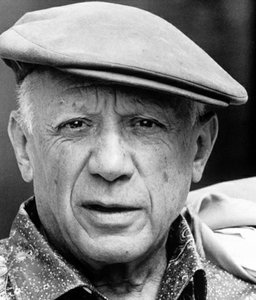
1881 - 1973 , Espagne

Ditch the boring decor. Discover why Naive Art's raw, bold, and unfiltered aesthetic is the ultimate trend for modern urban spaces. Learn how to use vibrant colors and unstudied sincerity to create a high-impact, authentic vibe in your home or studio.


Restez informé(e) des dernières actualités artistiques, des offres exclusives et des idées de décoration.
Parlez-nous de votre projet et nos experts en art vous proposeront 3 suggestions d'œuvres personnalisées.
Laissez-nous sélectionner 3 œuvres rien que pour vous – Gratuit !


 Aperçu en situation
 Envoyer
 Partager
 Détails de l'œuvre

 Télécharger
 Articles similaires
 Radiographie
 Diaporama
 Lire la suite







 L'option verre n'est disponible que pour les dimensions inférieures à 110 cm.


