

Įsigykite aukštos skiriamosios raiškos, patobulintą skaitmeninį vaizdą, gerokai pranašesnį už internetinę peržiūrą.
Kiekvieną failą mūsų specialistai kruopščiai paruošia naudojant pažangias technologijas ir profesionalų rankinį retušavimą. Užtikriname, kad kiekvienas vaizdas pasižymėtų išskirtiniu aiškumu, tikslia spalvų atspalviu ir smulkiomis detalėmis.
Baigiamas failas el. paštu pristatomas per 72 valandas; jis optimizuotas nedelsiant naudojimui profesionalioje, redakcinėje ir spausdinimo aplinkoje. Tai ta pati kokybė, kuria pasitiki aukščiausios klasės dizaino studijos, leidyklos ir galerijos.
Atsisiųskite didelės raiškos failą asmeniniam naudojimui, spausdinimui ir kūrybiniams projektams. ( Pirkti spaudinį Pirkti rankomis tapytą paveikslą)
Pasirinkę BuyPopArt.com, jūs ne tik gaunate paveikslėlį – jūs gaunate profesionaliai patobudintą skaitmeninį kūrinį, sukurtą itin tikniai ir užtikrinantį pasitenkinimą. Štai viską, kas automatiškai pritékia jūsų užsakymui:

Jūsų aukštos raiškos skaitmeninis vaizdo failas bus išsiųstas jums el. paštu per 72 valaudas nuo užsakymo – paruoštas naudojimui be jokių papildomų veiksmų.

Jūsų meno kūrinys profesionaliai optimizuojamas naudojant pažangius dirbtinio intelekto įrankius ir rankinį redagavimą, užtikrinant maksimalią detalę, aiškumą ir spalvų tikslumą.

Atsitiktinai ištrytikote ar praradote savo failą? Nebijokite – bet kuriuo metu atsiųsime jį jums vėl nemokamai.

Mėgaukitės savo meno kūriniu akimirka – skaitiniai failai visada yra neapmokestinami, todėl nereikės mokėti muitinės, mokesčių ar pristatymo mokesčių.

Naudodami profesionalią įrangą ir spalvų valdymo sistemas, užtikriname, kad jūsų skaitmeninis vaizdas kuo tiksliau atspindėtų originalias spalvas.

Jei nebuvate patenkinti savo skaitinio vaizdo, per 60 dienų jį pertaisysime arba grąkinsime 100% sumą – be jokių klausimų.

Nepat 만족inti? Gaukite visą sumokėtą sumą per 60 dienų nuo skaitmeninio failo gavimo – be jokių papildomų klausimų.

Pirkti 3 nuotraukas – pasiūla 10% - Pirkti 5 – pasiūla 15% - Pirkti 10 ir daugiau – pasiūla 20%. Puikiai tinka kūrybiniams projektams, galerijoms bei agentūroms.
Edvard Munch’s “Lübeck,” painted in 1903, is a poignant example of Expressionism, a movement born from a desire to convey intense subjectivity and emotional truth rather than objective reality. Emerging as a reaction against the perceived detachment of earlier art movements, Expressionism embraced distortion, bold colors, and raw handling of materials to depict inner turmoil and psychological states. Munch, a pivotal figure in this movement and renowned for his iconic "The Scream," masterfully utilizes these techniques in “Lübeck” to create a deeply evocative scene.
The painting depicts a solitary woman standing before an open window, her back turned towards the viewer. This deliberate positioning creates a sense of mystery and introspection, inviting us to share in her gaze as she observes the cityscape beyond. The title "Lübeck" doesn't refer to the German city itself but rather to Franz von Lenbach, a friend and fellow artist of Munch’s. The composition is striking: the woman’s figure appears almost spectral against the vibrant backdrop of Lübeck’s skyline, emphasizing her isolation and perhaps hinting at a deeper emotional disconnect. The open window acts as a symbolic threshold between the interior world of the woman's thoughts and the external world she observes.
“Lübeck” exemplifies Munch’s signature Expressionist style. Bold, non-naturalistic colors dominate the canvas, creating an atmosphere charged with emotion. The brushstrokes are loose and visible, contributing to a sense of immediacy and rawness. Forms are distorted, not for purely aesthetic reasons but to amplify the psychological impact of the scene. Munch’s use of color is particularly noteworthy; the vibrant hues of the cityscape contrast sharply with the muted tones of the woman's figure, further emphasizing her detachment. The painting isn't about a literal depiction of Lübeck; it's about conveying the *feeling* of being there, filtered through the artist's emotional lens.
Munch’s personal experiences profoundly shaped his artistic vision. Haunted by childhood illness and loss, he channeled these emotions into his work. “Lübeck” reflects this preoccupation with mortality, isolation, and the complexities of human relationships. The painting draws inspiration from other German Expressionist painters like Emil Nolde, Max Beckmann, George Grosz, Ernst Ludwig Kirchner, and James Ensor, all of whom shared a commitment to expressing subjective experience through art. The rise of Neo-Expressionism later in the 20th century demonstrates the enduring influence of Munch’s pioneering work.
“Lübeck” resonates with viewers because it taps into universal feelings of loneliness, introspection, and longing. The woman's posture and the vastness of the cityscape evoke a sense of melancholy and quiet contemplation. The painting serves as a powerful reminder of the expressive potential of art to convey complex emotions that transcend language. As an iconic example of Expressionism, “Lübeck” continues to inspire artists and captivate audiences worldwide, solidifying Munch’s place as one of the most important figures in modern art history.
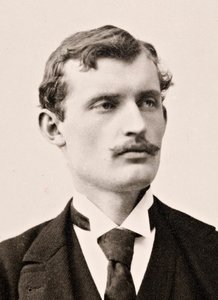
1863 - 1944 , Švedija


Sekite naujausias meno naujienas, išskirtinius pasiūlymus ir dekoravimo idėjas.
Pasakokite mums apie savo projektą, o mūsų meno ekspertai parengs jums 3 asmeniškus meno pasiūlymus.
Leiskite mums parinkti 3 variantus būtent jums – nemokamai!


 Peržiūrėti realybėje
 Pasidalinti
 Dalintis
 Išsamiau

 Atsisiųsti
 Panašūs eksponatai
 Rentgeno nuotrauka
 Automatinė diorama

 Skaityti daugiau