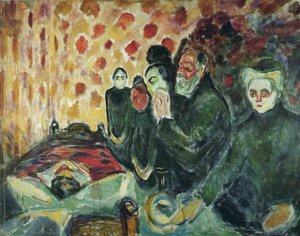
Muziejų lygio „giclée“ arba drobos spausdinimas: greita gamyba ir lankstios apdailos parinktys. ( Pirkti rankomis tapytą paveikslą Pirkti vaizdą)





























Pasirinkite iš mūsų nustatytų dydžių, atitinkančių originalaus meno kūrinio proporcijas.

Galite nurodyti savo matmenis, kad vaizdas atitiktų konkretų rėmą ar erdvę. Jei pasirinktas dydis nesutaps su originalaus paveikslėlio proporcijomis, mes arba apkirpsime kūrinį, arba išplėsime vaizdą naudojant veideliu atspindėtą arba vientisą šoną. Skaitmeninis maketas bus išsiųstas jums patvirtinti prieš pradedant gamybą.
Atkreipkite dėmesį, kad ekrane matomas vaizdinys neatspindi tikrojo apkirpimo ar išplėtimo. Tik maketas tiksliai parodytų galutinę kompoziciją.
Nors galima rinktis ir individualius dydžius, rekomenduojame pasirinkti vieną iš išanksti nustatytų matmenų, kad būtų išlaikytos originalios proporcijos.
Pristatymas visame pasaulyje () per 2 weeks, o ne įprastas 4/5 savaičių laikotarpis. (12 rugpjūtis)


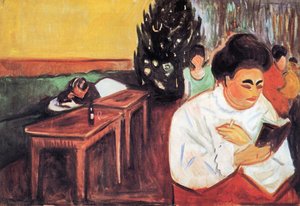
Lubeck
Reprodukcijos matmenys
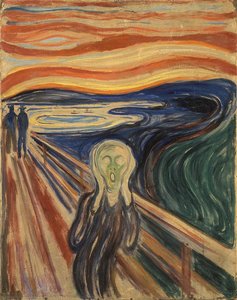
Edvard Munch’s “Lübeck,” painted in 1903, is a poignant example of Expressionism, a movement born from a desire to convey intense subjectivity and emotional truth rather than objective reality. Emerging as a reaction against the perceived detachment of earlier art movements, Expressionism embraced distortion, bold colors, and raw handling of materials to depict inner turmoil and psychological states. Munch, a pivotal figure in this movement and renowned for his iconic "The Scream," masterfully utilizes these techniques in “Lübeck” to create a deeply evocative scene.
The painting depicts a solitary woman standing before an open window, her back turned towards the viewer. This deliberate positioning creates a sense of mystery and introspection, inviting us to share in her gaze as she observes the cityscape beyond. The title "Lübeck" doesn't refer to the German city itself but rather to Franz von Lenbach, a friend and fellow artist of Munch’s. The composition is striking: the woman’s figure appears almost spectral against the vibrant backdrop of Lübeck’s skyline, emphasizing her isolation and perhaps hinting at a deeper emotional disconnect. The open window acts as a symbolic threshold between the interior world of the woman's thoughts and the external world she observes.
“Lübeck” exemplifies Munch’s signature Expressionist style. Bold, non-naturalistic colors dominate the canvas, creating an atmosphere charged with emotion. The brushstrokes are loose and visible, contributing to a sense of immediacy and rawness. Forms are distorted, not for purely aesthetic reasons but to amplify the psychological impact of the scene. Munch’s use of color is particularly noteworthy; the vibrant hues of the cityscape contrast sharply with the muted tones of the woman's figure, further emphasizing her detachment. The painting isn't about a literal depiction of Lübeck; it's about conveying the *feeling* of being there, filtered through the artist's emotional lens.
Munch’s personal experiences profoundly shaped his artistic vision. Haunted by childhood illness and loss, he channeled these emotions into his work. “Lübeck” reflects this preoccupation with mortality, isolation, and the complexities of human relationships. The painting draws inspiration from other German Expressionist painters like Emil Nolde, Max Beckmann, George Grosz, Ernst Ludwig Kirchner, and James Ensor, all of whom shared a commitment to expressing subjective experience through art. The rise of Neo-Expressionism later in the 20th century demonstrates the enduring influence of Munch’s pioneering work.
“Lübeck” resonates with viewers because it taps into universal feelings of loneliness, introspection, and longing. The woman's posture and the vastness of the cityscape evoke a sense of melancholy and quiet contemplation. The painting serves as a powerful reminder of the expressive potential of art to convey complex emotions that transcend language. As an iconic example of Expressionism, “Lübeck” continues to inspire artists and captivate audiences worldwide, solidifying Munch’s place as one of the most important figures in modern art history.
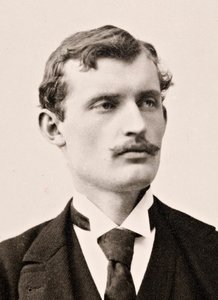
1863 - 1944 , Švedija

Atraskite ekspresionizmo šedevrus! 10 įtakingiausių meno kūrinių, atskleisiančių Muncho, Kirchnerio ir kitų meistrų emocijas. Išmokite apie tapybos stilius bei spalvų paletę. Aukščiausios kokybės dailės reprodukcijos jūsų namams – BuyPopArt.com.
Explore the powerful world of Figurative Expressionism with BuyPopArt. Discover key artists like Kirchner & Beckmann, understand its emotional depth, and learn how to collect this influential 20th-century art movement.

Explore the captivating world of contemporary figurative painting. Discover key artists, techniques & collecting insights. Expert analysis for discerning art lovers. BuyPopArt.

Explore the resurgence of contemporary realism in art. Discover key artists, market insights & the enduring power of figurative painting. Expert guidance for collectors.

Explore 10 defining German Expressionism masterpieces – from Munch's 'The Scream' to Kandinsky’s abstracts. Discover the artists, stories & bold colors behind this powerful art movement. Find museum-quality reproductions at BuyPopArt.com.


Sekite naujausias meno naujienas, išskirtinius pasiūlymus ir dekoravimo idėjas.
Pasakokite mums apie savo projektą, o mūsų meno ekspertai parengs jums 3 asmeniškus meno pasiūlymus.
Leiskite mums parinkti 3 variantus būtent jums – nemokamai!


 Peržiūrėti realybėje
 Pasidalinti
 Dalintis
 Išsamiau

 Atsisiųsti
 Panašūs eksponatai
 Rentgeno nuotrauka
 Automatinė diorama

 Skaityti daugiau







 Stiklo variantas prieinamas tik pasirinkus dydį iki 110 cm