

 AcrylicWallArtGeometric Abstraction
 1918
1918 65.0 x 81.0 cm
Kjøp et høyoppløselig, forbedret digitalt bilde som er langt bedre enn forhåndsvisningen på nettet.
Hver fil er omhyggelig klargjort av våre egne spesialister ved hjelp av avanserte verktøy og profesjonell manuell retusjering. Vi sørger for at hvert bilde har eksepsjonell klarhet, presis fargegjengivelse og fine detaljer.
Den endelige filen leveres via e-post innen 72 timer, optimalisert for umiddelbar bruk i profesjonelle, redaksjonelle og trykte miljøer. Dette er den samme kvaliteten som benyttes av ledende designstudioer, utgivere og gallerier.
Last ned en høyoppløselig fil for personlig bruk, utskrift og kreative prosjekter. ( Kjøp trykk Kjøp håndlaget maleri)
Når du velger BuyPopArt.com, får du ikke bare et bilde – du mottar et profesjonelt forbedret digitalt kunstverk, skapt med presisjon og med en garantert tilfredshetsgaranti. Her er alt som automatisk følger med din bestilling:

Din høyoppløselige digitale bildefil sendes til din e-post innen 72 timer etter bestilling – klar til umiddelbar bruk.

Ditt kunstverk blir profesjonelt optimalisert ved hjelp av avanserte AI-verktøy og manuell redigering, noe som sikrer maksimal detaljrikdom, klarhet og fargegjengivelse.

Har du ved et uhell slettet eller mistet filen din? Ingen bekymring – vi sender den på nytt når som helst, helt gratis.

Nyt ditt kunstverk umiddelbart uten toll, avgifter eller leveringskostnader – digitale nedlastinger er alltid avgiftsfrie.

Vi sikrer at ditt digitale bilde gjenspeiler de originale fargene så nøyaktig som mulig ved hjelp av profesjonelle verktøy og fargehåndtering.

Hvis du ikke er fornøyd med ditt digitale bilde, vil vi revidere det eller refundere 100% innen 60 dager – uten spørsmål.

Ikke fornøyd? Få full refusjon innen 60 dager etter at du har mottatt din digitale fil – uten spørsmål.

Kjøp 3 bilder, spar 10% - Kjøp 5, spar 15% - Kjøp 10+, spar 20%. Ideelt for kreative prosjekter, gallerier og byråer.
Fernand Léger's "The Station," completed in 1918, isn’t merely a depiction of a train station; it’s an embodiment of the anxieties and aspirations surrounding the burgeoning industrial revolution. Painted during a period marked by profound societal transformation – the aftermath of World War I and the rapid expansion of mechanized production – Léger sought to translate the relentless rhythm of this new era into a visual language that defied traditional representation.
The painting’s creation coincided with a pivotal moment in European history. The devastation wrought by World War I fueled debates about progress and destruction, prompting artists to grapple with how to represent the complexities of modernity. Léger wasn't simply documenting a place; he was articulating a feeling—a sense of unease mingled with optimism—about humanity’s relationship with technology.
"The Station" speaks powerfully to the concerns of its time regarding urbanization and the dehumanizing effects of industrialization. However, Léger’s vision transcends mere critique. He presents these forms as symbols of dynamism and potential, suggesting that even within rigid geometric structures lies an inherent energy.
While Léger's dominant stylistic approach is geometric abstraction, subtle symbolic elements enrich the artwork’s narrative. The prominent clock in the upper right corner serves as a visual reminder of time—a concept often associated with mortality and change—but also represents the relentless march forward of industrial progress. The figures themselves are stylized representations of human beings, reduced to simplified forms that convey movement and anonymity.
"The Station" isn’t intended to evoke emotional sentimentality; rather, it aims to provoke contemplation about the human condition within a technologically driven world. Léger's bold colors and textured surface contribute to an atmosphere of energy and immediacy, mirroring the pulse of the station itself. Ultimately, the painting invites viewers to consider how art can capture not just what we see but also what we *feel*—the anxieties and hopes inherent in embracing the transformative forces shaping our lives.
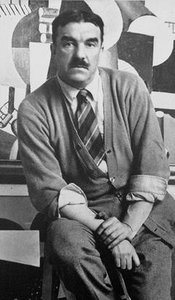
1881 - 1955 , Frankrike


Hold deg oppdatert med de siste kunstnyhetene, eksklusive tilbud og dekorasjonsideer.
Fortell oss om prosjektet ditt, så vil våre kunsteksperter gi deg 3 personlige kunstforslag.
Vi velger ut 3 alternativer kun for deg – helt gratis!


 Forhåndsvisning
 Send
Send Del med andre
 Vis detaljer

 Last ned bildet
 Liknende objekter
 Røntgenundersøkelse
 Lysbildefremvisning
 Vis hele teksten