AcrylicWallArtGeometric Abstraction
 1918
1918 65.0 x 81.0 cm
Giclée- eller lerretsprint av museumskvalitet med rask produksjon og fleksible valgmuligheter for etterbehandling. ( Kjøp håndlaget maleri Kjøp bilde)





























Velg mellom våre forhåndsdefinerte størrelser som bevarer kunstverkets opprinnelige proporsjoner.

Du kan oppgi egne mål for å tilpasse en spesifikk ramme eller et bestemt område. Dersom den valgte størrelsen ikke samsvarer med det originale bildets proporsjoner, vil vi enten beskjære kunstverket eller utvide bildet med en speilet eller ensfarget kant. En digital mockup vil bli sendt til din godkjenning før produksjonen starter.
Vennligst merk at forhåndsvisningen på skjermen ikke gjenspeiler den faktiske beskjæringen eller utvidelsen. Kun mockuppen vil vise den endelige komposisjonen nøyaktig.
Selv om tilpassede størrelser er tilgjengelige, anbefaler vi å velge et mål fra den forhåndsdefinerte listen for å bevare de originale proporsjonene.
Verdensomspennende levering () på 2 uker i stedet for standard 4/5 uker. (13 August)


The Station
Størrelse på reproduksjon
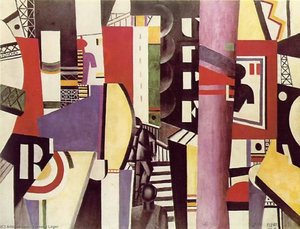
Fernand Léger's "The Station," completed in 1918, isn’t merely a depiction of a train station; it’s an embodiment of the anxieties and aspirations surrounding the burgeoning industrial revolution. Painted during a period marked by profound societal transformation – the aftermath of World War I and the rapid expansion of mechanized production – Léger sought to translate the relentless rhythm of this new era into a visual language that defied traditional representation.
The painting’s creation coincided with a pivotal moment in European history. The devastation wrought by World War I fueled debates about progress and destruction, prompting artists to grapple with how to represent the complexities of modernity. Léger wasn't simply documenting a place; he was articulating a feeling—a sense of unease mingled with optimism—about humanity’s relationship with technology.
"The Station" speaks powerfully to the concerns of its time regarding urbanization and the dehumanizing effects of industrialization. However, Léger’s vision transcends mere critique. He presents these forms as symbols of dynamism and potential, suggesting that even within rigid geometric structures lies an inherent energy.
While Léger's dominant stylistic approach is geometric abstraction, subtle symbolic elements enrich the artwork’s narrative. The prominent clock in the upper right corner serves as a visual reminder of time—a concept often associated with mortality and change—but also represents the relentless march forward of industrial progress. The figures themselves are stylized representations of human beings, reduced to simplified forms that convey movement and anonymity.
"The Station" isn’t intended to evoke emotional sentimentality; rather, it aims to provoke contemplation about the human condition within a technologically driven world. Léger's bold colors and textured surface contribute to an atmosphere of energy and immediacy, mirroring the pulse of the station itself. Ultimately, the painting invites viewers to consider how art can capture not just what we see but also what we *feel*—the anxieties and hopes inherent in embracing the transformative forces shaping our lives.
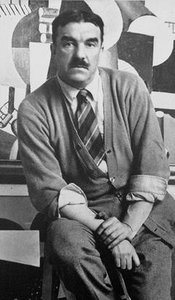
1881 - 1955 , Frankrike

Discover the power of Neo-Abstract art. Explore how bold geometric forms and high-impact visual energy are redefining modern design. Learn to curate sophisticated, high-energy spaces with the latest trends in contemporary abstraction and structural color.

Discover the high-impact world of Geometric Abstraction. From Cubist roots to modern urban trends, explore how bold shapes and colors redefine contemporary design. Elevate your space with expert art insights and custom-made abstract masterpieces.

Master the high-impact world of contemporary abstraction. Discover how bold colors, textures, and modern movements like Abstract Expressionism can transform your space with premium, high-energy art curated for the design-conscious professional.


Hold deg oppdatert med de siste kunstnyhetene, eksklusive tilbud og dekorasjonsideer.
Fortell oss om prosjektet ditt, så vil våre kunsteksperter gi deg 3 personlige kunstforslag.
Vi velger ut 3 alternativer kun for deg – helt gratis!


 Forhåndsvisning
 Send
Send Del med andre
 Vis detaljer

 Last ned bildet
 Liknende objekter
 Røntgenundersøkelse
 Lysbildefremvisning
 Vis hele teksten







 Glassalternativet er kun tilgjengelig i størrelser under 110 cm