x


Hand-painted oil on canvas in your size and frame, made to order by our artists.
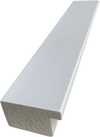
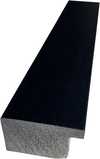
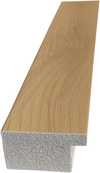
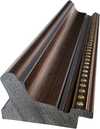
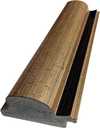

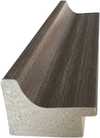
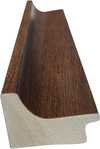
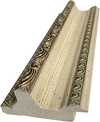
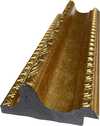
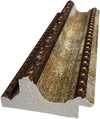
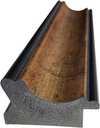
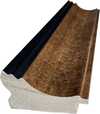
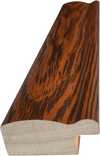
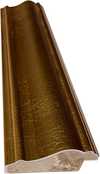
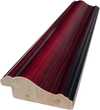
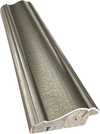
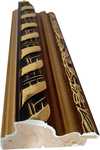
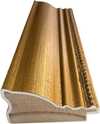
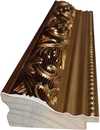
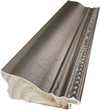
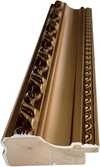
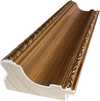
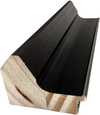
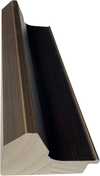
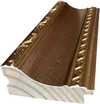
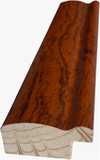
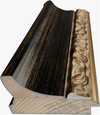
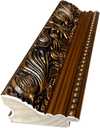
Pick from our preset sizes that match the artwork's original proportions.

You may enter your own dimensions to fit a specific frame or space. If your selected size does not match the original image's proportions, we will either crop the artwork or extend the painting with additional hand-painted elements. A digital mockup will be sent for your approval before production begins.
Please note that the on-screen preview does not reflect the actual cropping or extension. Only the mockup will accurately show the final composition.
While custom sizes are available, we recommend selecting a dimension from the predefined list to preserve the original proportions.
Worldwide Delivery () in 3/4 weeks instead of standard 5 weeks. (16 July). No compromise on quality.


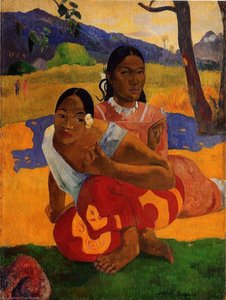
Nafeaffaa Ipolpo (also known as When Will You Marry.)
Reproduction Size
Paul Gauguin’s “Nafea faa ipoipo?” (also known as *When Will You Marry?*) is a cornerstone of Post-Impressionist art, captivating viewers with its vibrant color and enigmatic narrative. Painted in 1892 during his first extended stay in Tahiti, this artwork offers more than just a depiction of two Polynesian women; it’s a profound exploration of cultural identity, sensuality, and the artist's own complex relationship with the exotic.
Rejecting the strict realism of earlier movements, Gauguin embraced a Synthetist style characterized by flattened perspectives, bold outlines (though subtly applied here), and intensely saturated colors. He deliberately simplified forms, prioritizing expressive power over accurate representation. Notice the visible brushstrokes – a hallmark of his technique – which contribute to the painting’s tactile quality and imbue it with a sense of immediacy. Gauguin's use of oil on canvas allows for rich layering and textural variation, enhancing the artwork’s visual depth despite its deliberately non-illusionistic space.
The scene presents two women in intimate repose, their intertwined bodies suggesting companionship or a shared destiny. The kneeling figure, adorned with a single white flower – often symbolizing purity and beauty – gazes forward, while her companion leans protectively upon her. The question implied by the painting’s Tahitian title (“When Will You Marry?”) adds an air of mystery and invites contemplation about societal expectations and personal desires within Polynesian culture. The lush, rolling landscape serves not merely as a backdrop but as an integral part of the narrative, representing the fertile and vibrant environment that shaped Gauguin's artistic vision.
Gauguin’s time in Tahiti was a deliberate escape from European civilization. He sought inspiration in what he perceived as a more “primitive” way of life, believing it offered an authenticity lost in the industrialized West. This pursuit aligns with the broader Primitivist tendencies of the late 19th century. However, his romanticized view and appropriation of Polynesian culture have been subject to critical re-evaluation in recent years. Regardless, "Nafea faa ipoipo?" remains a pivotal work that challenged academic conventions and paved the way for future artistic movements like Fauvism and Cubism.
Beyond its historical significance, this painting evokes a powerful emotional response. The warm color palette – oranges, reds, and yellows – creates a sense of heat and intimacy, while the subdued blues and greens offer a calming contrast. Its unique aesthetic lends itself beautifully to a variety of interior styles, from bohemian chic to modern minimalist spaces. A reproduction of “Nafea faa ipoipo?” will undoubtedly become a focal point in any room, sparking conversation and inspiring contemplation for years to come.
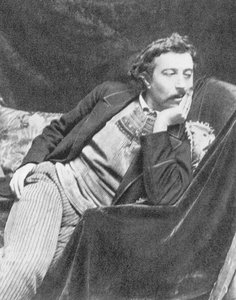
1848 - 1903 , France

Journey through Post-Impressionism's 10 defining masterpieces – Van Gogh, Monet & more. Explore iconic paintings, art history & find museum-quality reproductions for your home at . Discover all masterpieces online!

Explore the captivating world of Paul Gauguin – his rejection of realism, embrace of Primitivism & Symbolism, and lasting impact on modern art. Discover insights into his iconic works and legacy with BuyPopArt.

Explore the profound emotional depth & formal innovations of Post-Impressionism with our expert guide. Discover Cézanne, Van Gogh, Gauguin & more. Learn about art history, collecting, and investing in this pivotal movement.

Explore the nuances of Impressionism & Post-Impressionism with . Expert insights for collectors on style, investment, and acquiring museum-quality reproductions.

Explore the profound emotional depth & innovative techniques of Post-Impressionism with BuyPopArt. Discover Cézanne, Van Gogh, Gauguin & more – and their lasting impact on modern art.


Stay updated with the latest art news, exclusive offers, and decoration ideas.
Tell us about your project and our art experts will provide you with 3 personalized art suggestions.
Let Us Curate 3 Options Just for You - Free!


 Buy print
 Send
Send Share
Share
 Details

 Download
 Similars
 X-Ray
X-Ray Diaporama

 Read More

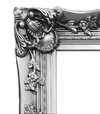
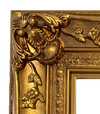
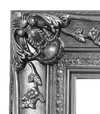
 Glass option is only available in size under 110 CM