x

Hand-painted oil on canvas in your size and frame, made to order by our artists.
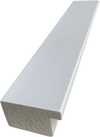
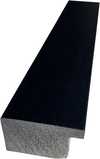
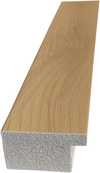
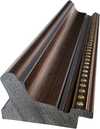
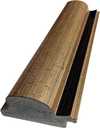
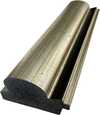
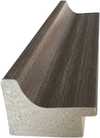
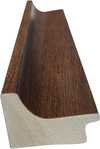
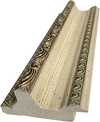
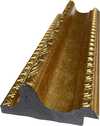
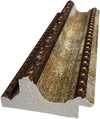
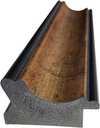
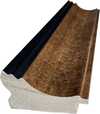
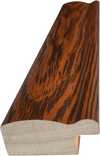
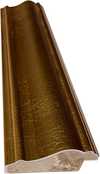
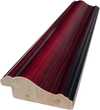
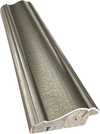
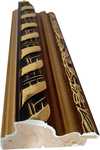
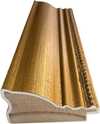
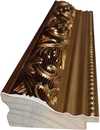
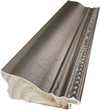
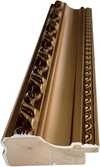
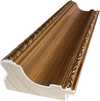
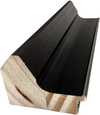
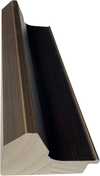
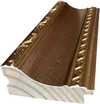
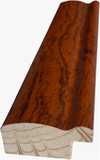
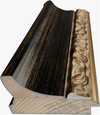
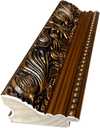
Pick from our preset sizes that match the artwork's original proportions.

You may enter your own dimensions to fit a specific frame or space. If your selected size does not match the original image's proportions, we will either crop the artwork or extend the painting with additional hand-painted elements. A digital mockup will be sent for your approval before production begins.
Please note that the on-screen preview does not reflect the actual cropping or extension. Only the mockup will accurately show the final composition.
While custom sizes are available, we recommend selecting a dimension from the predefined list to preserve the original proportions.
Worldwide Delivery () in 3/4 weeks instead of standard 5 weeks. (16 July). No compromise on quality.


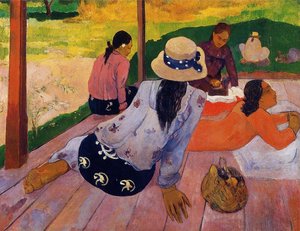
The Siesta
Reproduction Size
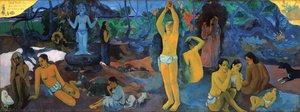
Paul Gauguin’s monumental canvas, “Where Do We Come From? What Are We? Where Are We Going?” (1897-1898), stands as a profound philosophical inquiry rendered in paint. Created during a period of intense personal and artistic exploration, the work reflects Gauguin's fascination with Polynesian culture and his desire to synthesize Western artistic traditions with non-Western spiritual beliefs. Having relocated to Tahiti in 1891, seeking refuge from European societal constraints and artistic conventions, Gauguin immersed himself in the island’s vibrant landscape and indigenous customs. This relocation profoundly influenced his artistic vision, leading him to embrace a more expressive and symbolic style.
The painting's genesis was spurred by a conversation with art dealer Daniel-Henri Kahnweiler, who challenged Gauguin to create a work that would encapsulate the essence of human existence. The resulting canvas is not a literal depiction of Polynesian life but rather a complex allegorical representation of humanity’s journey through time and space.
Gauguin's artistic style in this painting is a remarkable synthesis of Impressionistic color palettes, Symbolist allegorical themes, and Primitivist expressive techniques. While initially influenced by Impressionism’s emphasis on capturing fleeting moments of light and atmosphere, Gauguin gradually moved towards a more subjective and symbolic approach to art. He rejected the Impressionists' focus on objective observation in favor of conveying emotional states and spiritual truths.
The painting is characterized by its flattened perspective, bold color contrasts, and simplified forms. Gauguin employed a technique known as “cloisonnism,” which involves outlining shapes with dark, flat lines, reminiscent of stained-glass windows or medieval illuminated manuscripts. This technique further enhances the painting’s symbolic quality, creating a sense of otherworldliness and timelessness.
The composition is divided into three distinct sections, each representing a stage in human existence. The left-hand section depicts the birth of humanity, with figures emerging from the earth, symbolizing our connection to nature and ancestral origins. The central section portrays the peak of human life, with a group of individuals engaged in various activities, reflecting the complexities and contradictions of human experience. The right-hand section represents death and the afterlife, with figures receding into the distance, suggesting the cyclical nature of existence.
The central figure, a woman holding a child, is often interpreted as representing Eve or Mother Earth, symbolizing fertility and maternal love. The presence of Polynesian figures alongside Westernized individuals underscores Gauguin’s desire to bridge cultural divides and explore universal themes of human existence. The painting's title itself—"Where Do We Come From? What Are We? Where Are We Going?"—is a direct quote from the Book of Ecclesiastes, further emphasizing its philosophical nature.
“Where Do We Come From? What Are We? Where Are We Going?” evokes a profound sense of contemplation and introspection. The painting’s somber color palette, flattened perspective, and symbolic imagery create an atmosphere of mystery and timelessness. It invites viewers to reflect on the fundamental questions of human existence—our origins, our purpose, and our ultimate fate.
The work's enduring appeal lies in its ability to resonate with audiences across cultures and generations. It is a testament to Gauguin’s artistic genius and his profound understanding of the human condition. The painting serves as a powerful meditation on mortality, meaning, and the search for spiritual truth.
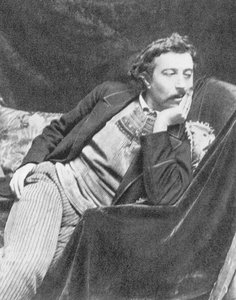
1848 - 1903 , France

Explore the captivating world of Impressionism! Discover its history, key artists, techniques & enduring legacy with BuyPopArt. Find museum-quality reproductions and expert art consultation.
Explore the fascinating relationship between color & emotion in art history. Discover how master artists like Matisse & Gauguin used vibrant hues to evoke feelings and cultural meanings. A deep dive for classic art enthusiasts.

Explore the fascinating world of color theory in painting! Discover how Impressionist & Post-Impressionist masters used vibrant hues to evoke emotion and create lasting impact. Expert insights for collectors & art enthusiasts.

Explore the powerful connection between color & emotion in art history. Discover how master artists used color to evoke feelings and learn to select artwork that enhances your space.

Discover how color psychology impacts interior spaces. Expert advice on selecting art to evoke specific moods & enhance your designs. offers custom reproductions & professional consultation.


Stay updated with the latest art news, exclusive offers, and decoration ideas.
Tell us about your project and our art experts will provide you with 3 personalized art suggestions.
Let Us Curate 3 Options Just for You - Free!


 Buy print
 Send
Send Share
Share
 Details

 Download
 Similars
 X-Ray
X-Ray Diaporama


 Read More
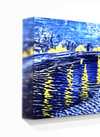
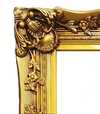
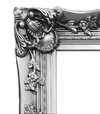
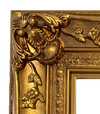
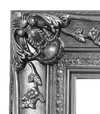
 Glass option is only available in size under 110 CM