x


 Oil On CanvasWallArtRomanticism
 181419th Century
 266.0 x 345.0 cm
Hand-painted oil on canvas in your size and frame, made to order by our artists.
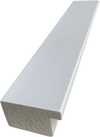
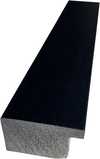
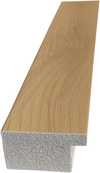
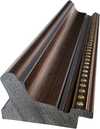
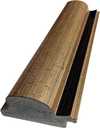

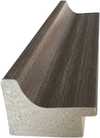
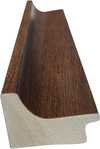
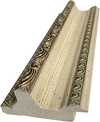

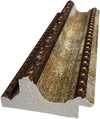
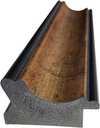
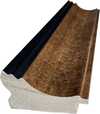

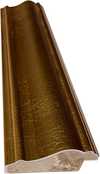
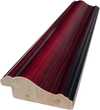
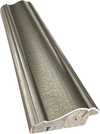
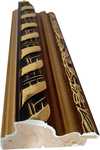

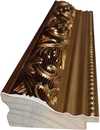
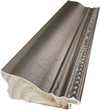
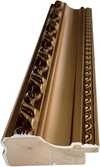

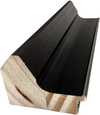
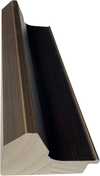


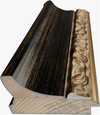

Pick from our preset sizes that match the artwork's original proportions.

You may enter your own dimensions to fit a specific frame or space. If your selected size does not match the original image's proportions, we will either crop the artwork or extend the painting with additional hand-painted elements. A digital mockup will be sent for your approval before production begins.
Please note that the on-screen preview does not reflect the actual cropping or extension. Only the mockup will accurately show the final composition.
While custom sizes are available, we recommend selecting a dimension from the predefined list to preserve the original proportions.
Worldwide Delivery () in 3/4 weeks instead of standard 5 weeks. (16 July). No compromise on quality.


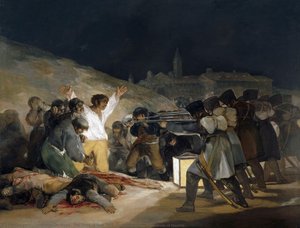
The Third of May 1808 (Execution of the Defenders of Madrid)
Reproduction Size
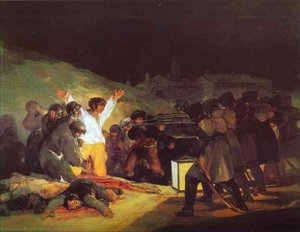
Francisco Goya's 1814 painting is more than just a depiction of an event; it’s a visceral cry against the brutality of war and a powerful testament to the human spirit in the face of oppression. Commemorating the events of May 3rd, 1808, in Madrid during the Peninsular War, this artwork stands as one of the most significant and emotionally resonant works in art history.
The painting immortalizes the aftermath of the Dos de Mayo Uprising – a rebellion by the Spanish people against the occupying French forces under Napoleon. In response to the uprising, the French executed hundreds of Spanish insurgents and civilians. Goya, deeply affected by the conflict and its impact on his homeland, created this work years later as part of a commission from the provisional government, aiming to honor those who resisted the occupation. It serves not as glorification of battle, but as a stark condemnation of violence.
Embracing the tenets of Romanticism, Goya eschews Neoclassical ideals of order and restraint in favor of raw emotion and dramatic intensity. His technique is characterized by loose, expressive brushwork and a masterful use of chiaroscuro – the interplay of light and shadow. The oil paint is applied with visible texture, particularly on the figures, lending them a palpable physicality and immediacy. This painterly approach amplifies the sense of chaos and suffering.
The composition is meticulously structured to maximize emotional impact. A central figure in a brilliant white shirt, arms outstretched in a pose reminiscent of Christ on the cross, embodies both sacrifice and defiance. He becomes a beacon of humanity amidst the darkness. The faceless, robotic French firing squad represents dehumanization and the cold efficiency of military power. The lantern’s harsh light illuminates the horror, acting as a spotlight on the unfolding tragedy while offering no solace. Fallen bodies in the foreground underscore the devastating cost of rebellion.
This artwork evokes profound feelings of horror, despair, and empathy. Goya doesn't shy away from depicting the brutality of war; instead, he confronts it head-on, forcing viewers to acknowledge its human cost. The painting’s enduring power lies in its universality – a timeless statement against oppression and a poignant reminder of the importance of resistance. It continues to inspire reflection on the nature of conflict and the resilience of the human spirit.
A hand-painted reproduction of this iconic work offers an opportunity to own a piece of art history, adding depth, drama, and intellectual weight to any interior. Its somber palette and powerful imagery make it a striking focal point in a study, living room, or gallery wall, sparking conversation and contemplation for years to come.
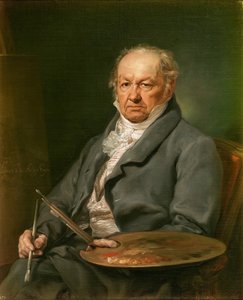
1746 - 1828 , Spain
Delve into the world of Francisco Goya with BuyPopArt. Explore 25 iconic paintings – from 'The Third of May' to his haunting Black Paintings. Discover the stories, techniques & emotions behind these Spanish masterpieces. Find museum-quality art reproductions for your home at BuyPopArt.com!

Explore 10 legendary 'Acrylic on Paper' masterpieces by artists like Helen Frankenthaler & Gerhard Richter. Discover abstract expressionism, color field painting & the evolution of modern art. Find museum-quality reproductions for your home at BuyPopArt.com.

Explore the life & works of Francisco Goya, Spain's Romantic master. Discover his evolution from court painter to a visionary chronicler of war and social injustice. A comprehensive guide for art enthusiasts.

Explore the fascinating world of art history! Discover iconic masterpieces, influential movements, and the cultural impact of art through the ages. Enhance your appreciation with our expert guide.

Explore 25 iconic Sir Alfred Munnings paintings! Discover the beauty of British Impressionism, equine art & rural England. Find museum-quality reproductions and elevate your home decor with BuyPopArt. Explore the full collection online.


Stay updated with the latest art news, exclusive offers, and decoration ideas.
Tell us about your project and our art experts will provide you with 3 personalized art suggestions.
Let Us Curate 3 Options Just for You - Free!


 Buy print
 Send
Send Share
Share
 Details

 Download
 Similars
 X-Ray
X-Ray Diaporama
 Read More

 Glass option is only available in size under 110 CM