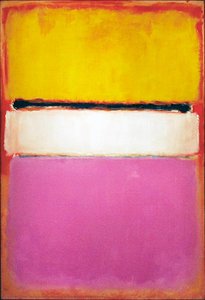
Museum-quality giclée or canvas print with fast production and flexible finish options. ( Buy Hand Made Painting Buy Image)





























Pick from our preset sizes that match the artwork's original proportions.

You may enter your own dimensions to fit a specific frame or space. If your selected size does not match the original image's proportions, we will either crop the artwork or extend the image with a mirrored or solid-fill edge. A digital mockup will be sent for your approval before production begins.
Please note that the on-screen preview does not reflect the actual cropping or extension. Only the mockup will accurately show the final composition.
While custom sizes are available, we recommend selecting a dimension from the predefined list to preserve the original proportions.
Worldwide Delivery () in 2 weeks instead of standard 4/5 weeks. (14 August)


Untitled 59
Reproduction Size
Mark Rothko (1903 – 1970), born Markus Yakovlevich Rothkowitz in Dvinsk, Latvia, stands as a monumental figure in Abstract Expressionism. His life was marked by early trauma—the loss of his father during the family’s emigration to Portland, Oregon—and a lifelong preoccupation with confronting existential anxieties. These experiences profoundly influenced his artistic vision, propelling him toward a singular approach that prioritized conveying emotion through the deliberate orchestration of color.
Rothko’s distinctive style hinged on meticulous attention to material properties. He favored layering thin washes of color onto canvas, creating luminous blocks that seemed to emanate from within. This technique—often described as “absorption”—involved applying pigment in multiple layers, allowing it to seep into the fabric and achieve a velvety surface texture. The careful selection of pigments—primarily reds, yellows, and blues—was paramount; Rothko painstakingly calibrated their hues and saturations to evoke specific feelings.
Rothko’s paintings transcend mere visual aesthetics; they are imbued with profound symbolic significance. Critics have interpreted his works as meditations on spirituality, grief, and the human condition. The monumental scale of his canvases—often reaching several feet in height—creates an immersive experience for viewers, inviting contemplation and emotional engagement.
Rothko emerged during the crucible of Abstract Expressionism—a movement that revolutionized American painting in the postwar era. Artists like Jackson Pollock and Willem de Kooning embraced spontaneity and gesture, rejecting academic conventions in favor of visceral expression. Rothko’s unwavering commitment to color field painting distinguished him from his contemporaries and solidified his place as one of the most influential figures in 20th-century art.
Rothko’s legacy extends beyond the realm of art history; his work embodies a timeless quest for beauty and meaning—a testament to the transformative potential of artistic vision.

1903 - 1970 , Latvia
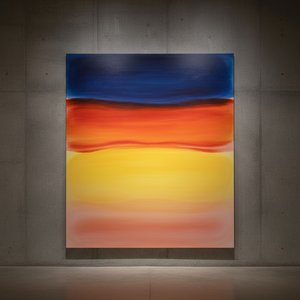
Explore the profound emotional depth of Mark Rothko's abstract expressionism. Discover the history, techniques & lasting impact of this pivotal Color Field painter. Expert insights for collectors and art enthusiasts.
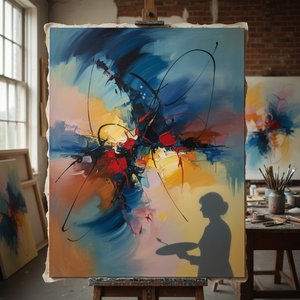
Explore the captivating world of Beatrice Parsons, a pioneering British abstract expressionist. Discover her journey from garden watercolors to evocative color field paintings and learn about her place within art history.
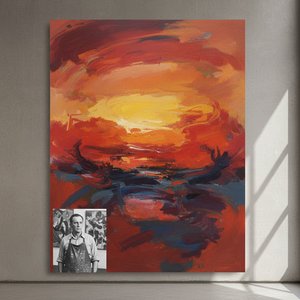
Explore the life & work of Jacob Kainen, a pivotal figure in American Abstract Expressionism and Color Field painting. Discover his journey from Social Realism to vibrant abstraction and lasting influence on 20th-century art.

Explore the captivating world of Paul Jenkins, a pioneer of abstract expressionism & color field painting. Discover his unique ‘Phenomena’ series and investment potential for art collectors. Expert insights at BuyPopArt.
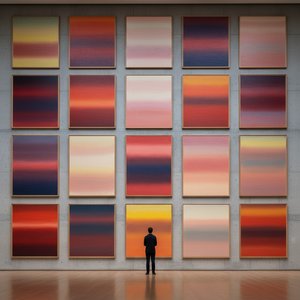
Explore 25 iconic Mark Rothko paintings that define Abstract Expressionism. Discover the stories, colors & emotions behind these masterpieces. Find museum-quality art reproductions and curated decor ideas at BuyPopArt.com.


Stay updated with the latest art news, exclusive offers, and decoration ideas.
Tell us about your project and our art experts will provide you with 3 personalized art suggestions.
Let Us Curate 3 Options Just for You - Free!


 Preview
 Send
Send Share
Share
 Details

 Download
 Similars
 X-Ray
X-Ray Diaporama
 Read More







 Glass option is only available in size under 110 CM