


 Acrylic On CanvasWallArtRomanticism
 1856
1856 47.0 x 38.0 cm
 Hermitage Museum
Museum-quality giclée or canvas print with fast production and flexible finish options. ( Switch to hand made Painting Switch to Image)

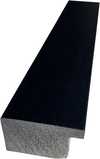
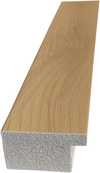
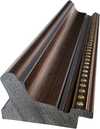
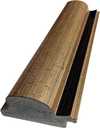
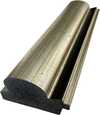
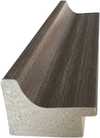
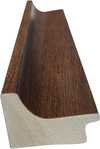
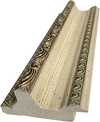
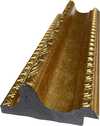
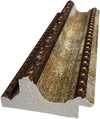
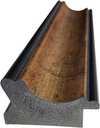
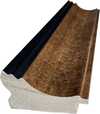
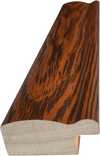
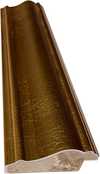
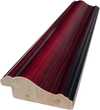
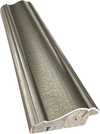
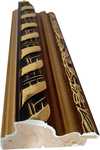
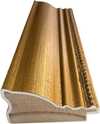
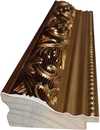
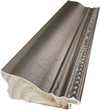
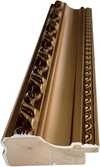
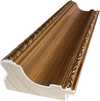
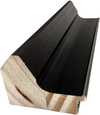
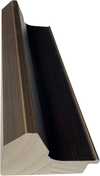
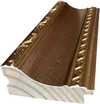
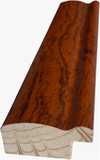
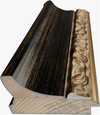
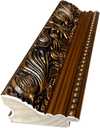
Pick from our preset sizes that match the artwork's original proportions.

You may enter your own dimensions to fit a specific frame or space. If your selected size does not match the original image's proportions, we will either crop the artwork or extend the image with a mirrored or solid-fill edge. A digital mockup will be sent for your approval before production begins.
Please note that the on-screen preview does not reflect the actual cropping or extension. Only the mockup will accurately show the final composition.
While custom sizes are available, we recommend selecting a dimension from the predefined list to preserve the original proportions.
Worldwide Delivery () in 2 weeks instead of standard 4/5 weeks. (30 July)


Flowers
Reproduction Size
Simon Saint Jean (1743–1811) occupies a peculiar niche in the annals of French art—a painter who eschewed grand narratives and sweeping landscapes for an intensely focused exploration of botanical illustration. Unlike many artists of his era striving for monumental achievements, Saint Jean dedicated himself to capturing the delicate beauty and subtle nuances of flowers, transforming them into powerful symbols of virtue, spirituality, and a profound connection with the natural world.
Born in Millery, France, Saint Jean’s formative years were profoundly shaped by familial tragedy—the untimely death of his father leaving him orphaned at a young age. Recognizing his innate talent for drawing early on, he pursued formal training at the École de beaux-arts de Lyon under the tutelage of Pierre Révoil and Augustin Alexandre Thierriat, absorbing foundational artistic principles that would inform his distinctive approach.
Saint Jean’s oeuvre is characterized by an unwavering commitment to realism combined with a masterful manipulation of color and light. He employed oil paints on canvas—a technique favored during the Romantic period—to achieve luminous effects that conveyed not merely visual accuracy but also emotional depth. The artist meticulously studied flower specimens, painstakingly recreating their forms and textures with remarkable precision.
“Flowers,” painted in 1856, exemplifies Saint Jean’s artistic vision. The artwork depicts a still life featuring roses, daisies, and carnations arranged within a vibrant red vase upon a wooden table. Scattered yellow blossoms contribute to the overall composition's harmonious palette. Two smaller vases—one positioned near the top left corner and another towards the bottom right—further enhance the scene’s visual richness.
Beyond its aesthetic appeal, “Flowers” resonates with deeper symbolic meanings rooted in Romantic thought. Flowers frequently represented purity, innocence, and divine grace – concepts central to the movement's philosophical concerns. Saint Jean’s careful rendering of floral forms serves as a conduit for conveying these intangible ideas, inviting contemplation on themes of beauty, fragility, and the sublime.
The painting resides in the Hermitage Museum collection, showcasing its enduring artistic merit. Its reproduction is available at www.hermitagemuseum.org and can be viewed online at WGA20663.
Furthermore, Saint Jean’s work aligns with the broader Romantic movement's fascination with nature as a source of inspiration and spiritual renewal. Explore more about Simon Saint Jean here!
In the grand tapestry of French art history, few threads are as delicate or as luminous as those woven by Simon Saint Jean. Born in Millery, France, in 1743, Saint Jean emerged not as a painter of sweeping historical dramas or turbulent landscapes, but as a master of the miniature soul. His life, though marked early on by the profound tragedy of his father's untimely death, became a testament to the beauty found in the quietest corners of nature. This early encounter with loss perhaps instilled in him a deep reverence for the ephemeral, leading him to dedicate his life to capturing the fleeting splendor of the botanical world—a pursuit that would eventually earn him the poetic moniker, The Poet of Flowers.
His artistic journey was shaped by the rigorous academic traditions of his era. Seeking to refine his innate talent for drawing, Saint Jean entered the École de beaux-arts de Lyon, where he studied under the esteemed masters Pierre Révoil and Augustin Alexandre Thierriat. From these mentors, he absorbed the precision of Neoclassical idealism, yet he possessed a spirit that leaned toward the burgeoning Romantic movement. This unique duality allowed him to marry scientific botanical accuracy with an unprecedented emotional depth. His work was never merely a record of species; it was an exploration of the spiritual essence residing within every petal and stem.
To gaze upon a Saint Jean original is to witness a mastery of light that transcends the medium itself. While many of his contemporaries relied on heavy brushstrokes and dramatic chiaroscuro to command attention, Saint Jean moved in the opposite direction. He favored a technique defined by meticulous observation and the use of translucent watercolor washes. By layering thin, delicate pigments, he allowed light to pass through the paint and reflect off the surface, creating an internal glow that made his floral arrangements appear almost self-illuminated.
His compositions are characterized by a sense of weightless grace. He eschewed the cluttered, dense still lifes common in the Baroque tradition, opting instead for arrangements that breathed with space and air. This technique allowed him to capture the subtle complexities of texture—the velvety softness of a rose, the waxy sheen of a lily, or the fragile transparency of a petal. Through this method, he transformed botanical illustration into a high art form, where the subject matter served as an emblem of virtue, spirituality, and the sublime beauty of the natural order.
The reach of Saint Jean’s influence extended far beyond the studios of Lyon, finding resonance within the highest echelons of French society. His ability to imbue nature with moral and religious symbolism caught the attention of significant patrons, most notably Louis XVIII, who commissioned a monumental watercolor of lilies for the church of Sainte-Marie-Madeleine. Such works solidified his reputation as an artist capable of expressing the divine through the earthly.
Even figures as controversial as the Marquis de Sade found a connection to his art, recognizing in Saint Jean’s delicate compositions a profound sense of contemplation and purity. His historical significance lies in this ability to bridge the gap between the scientific and the sentimental. As the centuries progressed, his work remained a vital link between the structured elegance of the 18th century and the emotive freedom of Romanticism. Today, the legacy of Simon Saint Jean lives on through his captivating floral still lifes, which continue to offer viewers a sanctuary of peace and a profound meditation on the fleeting beauty of life.

1743 - 1811 , France
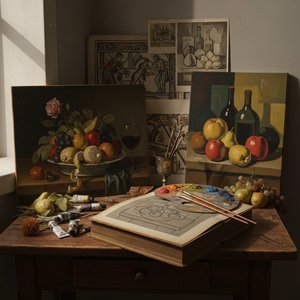
Explore the rich history of still life painting with BuyPopArt. Discover Dutch Masters, decode vanitas symbolism & learn about collecting timeless art. Expert insights and museum-quality reproductions.
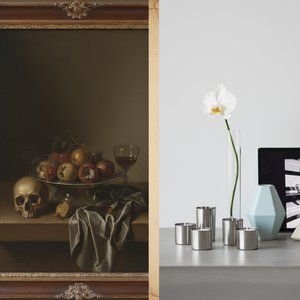
Explore the rich history & symbolism of still life painting with BuyPopArt. Discover masterpieces from the Dutch Golden Age, learn about vanitas art, and find expert guidance for collecting timeless artworks.

Explore the history of still life painting & discover how artful reproductions elevate villa entertaining spaces. Expert guidance, museum-quality prints & custom artwork at BuyPopArt.com.

Explore the captivating world of Dutch Golden Age still life with Abraham van Beyeren. Discover his innovative techniques, symbolic banquet scenes & lasting influence on art history. Learn about collecting these masterpieces.

Explore the serene world of Jean-Baptiste-Siméon Chardin, master of still life & genre painting. Discover his revolutionary techniques, enduring legacy, and timeless depictions of everyday elegance. Learn more at BuyPopArt.


Stay updated with the latest art news, exclusive offers, and decoration ideas.
Tell us about your project and our art experts will provide you with 3 personalized art suggestions.
Let Us Curate 3 Options Just for You - Free!


 Preview
 Send
Send Share
Share
 Details

 Download
 Similars
 X-Ray
X-Ray Diaporama
 Read More
 Glass option is only available in size under 110 CM


