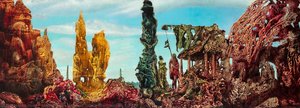
Huile sur toile peinte à la main, avec cadre et dimensions personnalisés, réalisée sur commande par nos artistes. ( Commander l'impression Télécharger l'image haute résolution)





























Choisissez parmi nos formats prédéfinis qui respectent les proportions originales de l’œuvre.

Vous pouvez saisir vos propres dimensions pour l'adapter à un cadre ou à un espace spécifique. Si la taille sélectionnée ne correspond pas aux proportions de l'image d'origine, nous recadrerons l'œuvre ou prolongerons la peinture avec des éléments peints à la main supplémentaires. Une maquette numérique vous sera envoyée pour approbation avant le début de la production.
Veuillez noter que l'aperçu à l'écran ne reflète pas le recadrage ou l'extension réels. Seule la maquette montrera fidèlement la composition finale.
Bien que des tailles personnalisées soient disponibles, nous vous recommandons de sélectionner une dimension dans la liste prédéfinie afin de préserver les proportions d'origine.
Livraison dans le monde entier () en 3 à 4 semaines au lieu des 5 semaines habituelles. (14 août). Aucun compromis sur la qualité.


Fleur violette
Format de la reproduction
Max Ernst's "Fleur violette" presents a captivating enigma, a visual puzzle that immediately draws the viewer into its unsettling yet undeniably compelling world. This seemingly simple composition – a dominant blue circle punctuated by bursts of yellow and red – is far more than just an exercise in color; it’s a potent distillation of Dadaist principles, reflecting Ernst's profound skepticism towards reason and his exploration of the subconscious mind. The painting’s raw energy and deliberate disruption of traditional artistic conventions speak to a period of intense social and political upheaval, mirroring the anxieties and uncertainties that defined the early 20th century.
The specific colors employed in "Fleur violette" are laden with symbolic weight. Blue, often associated with melancholy, spirituality, and the infinite, dominates the composition, creating a sense of isolation or perhaps even dread. The jarring bursts of yellow – representing energy, intellect, and sometimes deceit – clash violently with the blue, while red evokes passion, danger, and primal instincts. These colors aren’t blended harmoniously; they are deliberately juxtaposed to create visual tension and disrupt any attempt at rational interpretation.
Created during a period of immense social and political change – marked by World War I and the rise of Dadaism – “Fleur violette” reflects Ernst's disillusionment with Western civilization. Born in 1891, Ernst witnessed firsthand the horrors of war and the breakdown of traditional values. His artistic practice became a means of expressing his anxieties and challenging the status quo. Ernst’s intellectual background, encompassing philosophy, psychology, and psychiatry, profoundly shaped his work, leading him to explore themes of dreams, memory, and the irrational.
"Fleur violette" is a powerfully evocative work that continues to fascinate and challenge viewers today. Its unsettling composition, bold use of color, and Dadaist sensibilities create an atmosphere of unease and disorientation. This reproduction captures the essence of Ernst’s artistic vision, offering a tangible connection to one of the most important figures in 20th-century art. It's a piece that invites contemplation, prompting viewers to question their perceptions of reality and explore the depths of the human psyche.
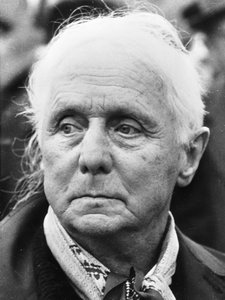
1891 - 1976 , Allemagne

Elevate your space with bold water landscapes and deep blue textures. Discover trending abstract art, from sculptural textiles to premium oil reproductions, designed to bring high-impact, liquid vibes to modern urban interiors.

Master the art of decorating with impact. Our expert guide decodes Giclée prints, exploring archival quality, pigment-based inks, and how to choose between high-fidelity reproductions and hand-painted oils for a bold, museum-grade aesthetic in your space.


Restez informé(e) des dernières actualités artistiques, des offres exclusives et des idées de décoration.
Parlez-nous de votre projet et nos experts en art vous proposeront 3 suggestions d'œuvres personnalisées.
Laissez-nous sélectionner 3 œuvres rien que pour vous – Gratuit !


 Aperçu en situation
 Envoyer
 Partager
 Détails de l'œuvre

 Télécharger
 Articles similaires
 Radiographie
 Diaporama

 Lire la suite







 L'option verre n'est disponible que pour les dimensions inférieures à 110 cm.