x


Hand-painted oil on canvas in your size and frame, made to order by our artists.
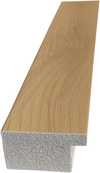
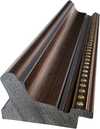
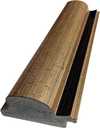
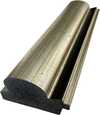
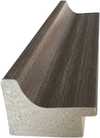
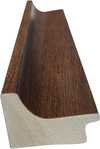
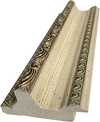
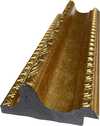
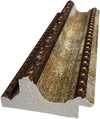
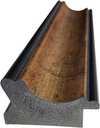
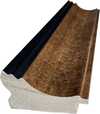
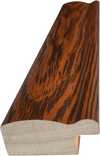
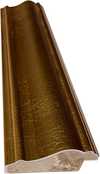
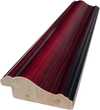
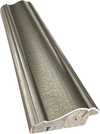
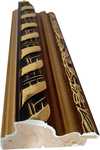

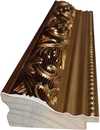
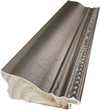
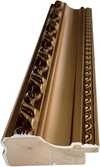
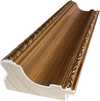
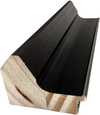
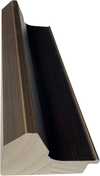
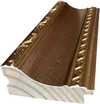
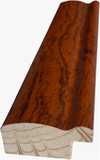
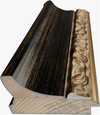
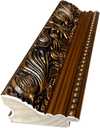
Pick from our preset sizes that match the artwork's original proportions.

You may enter your own dimensions to fit a specific frame or space. If your selected size does not match the original image's proportions, we will either crop the artwork or extend the painting with additional hand-painted elements. A digital mockup will be sent for your approval before production begins.
Please note that the on-screen preview does not reflect the actual cropping or extension. Only the mockup will accurately show the final composition.
While custom sizes are available, we recommend selecting a dimension from the predefined list to preserve the original proportions.
Worldwide Delivery () in 3/4 weeks instead of standard 5 weeks. (16 July). No compromise on quality.


Dishes and Fruit
Reproduction Size
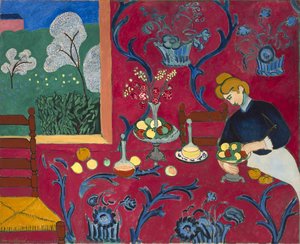
Henri Matisse's "Dishes and Fruit," painted in 1906 and now residing within the esteemed halls of The State Hermitage Museum, isn’t merely a still life; it’s an explosion of joyous color and a pivotal declaration of Fauvist aesthetics. This seemingly simple arrangement—a table laden with apples, bowls, cups, and a vase—becomes a vibrant testament to Matisse's revolutionary approach to painting, one that prioritized emotional expression over strict representational accuracy. The work immediately captivates the viewer not through meticulous detail, but through an audacious celebration of hue and form, inviting us into a world where objects are transformed by their color relationships rather than faithfully depicted.
Born in 1869, Henri Matisse initially pursued a path toward academic realism, studying law before discovering his true calling within the burgeoning art scene. His early works reflected this classical influence, drawing inspiration from masters like Chardin and Poussin. However, a transformative experience during a trip to Belle Île in 1896, coupled with exposure to the vibrant colors of Van Gogh, ignited a dramatic shift in his artistic vision. This marked the genesis of Fauvism – a movement he essentially spearheaded – characterized by its unrestrained use of color and bold brushstrokes. “Dishes and Fruit” perfectly embodies this radical departure from traditional painting conventions, rejecting muted tones and naturalistic depictions in favor of an intensely chromatic palette.
Matisse’s masterful manipulation of color is the defining characteristic of "Dishes and Fruit." He employs a dazzling array of hues – deep blues, rich purples, fiery oranges, and sunny yellows – not to mimic reality but to convey mood and emotion. The apples, for instance, aren't rendered in subtle shades of red; they are presented as pulsating bursts of crimson and scarlet, radiating an almost palpable energy. Similarly, the bowl is a vibrant pool of cobalt blue, contrasting sharply with the warm tones of the fruit. This deliberate disregard for naturalistic color values creates a heightened sense of visual excitement and contributes significantly to the painting’s overall dynamism.
The brushstrokes themselves are equally expressive. Matisse utilizes loose, gestural strokes – often applied in thick impasto – that seem almost spontaneous. These energetic marks not only contribute to the painting's vibrant appearance but also imbue it with a sense of movement and immediacy. The composition is deliberately flattened, sacrificing depth for the sake of color intensity and visual impact. This simplification of space reflects Matisse’s broader artistic philosophy: to reduce art to its essential elements – color, line, and form – and to express emotions directly through these means.
While ostensibly a still life, “Dishes and Fruit” is rich in symbolic potential. The arrangement of objects—the abundance of fruit, the simple tableware—can be interpreted as an evocation of pleasure, bounty, and domestic tranquility. However, Matisse’s focus on color and form transcends any literal interpretation, suggesting that the painting's primary purpose is to evoke a feeling – one of joy, vitality, and perhaps even a hint of playful exuberance. The work isn’t about depicting objects; it’s about capturing their essence and translating it into a purely visual experience.
Matisse’s artistic journey continued throughout his career, evolving from the intensely chromatic early works like “Dishes and Fruit” to a more disciplined style in his later years. Yet, this painting remains a cornerstone of his oeuvre, representing the bold experimentation and revolutionary spirit that defined his contribution to modern art. For those seeking a deeper understanding of Matisse’s legacy, exploring reproductions such as "Henri Matisse: Dishes and Fruit on a Red and Black Carpet" offers a captivating glimpse into the artist's world.
To delve further into the life and work of Henri Matisse, consider visiting the Musée National d'Art Moderne in Paris, home to an extensive collection of his paintings. Alternatively, exploring resources like Wikipedia (https://en.wikipedia.org/wiki/Henri_Matisse) and online databases such as BuyPopArt.com (/art/list/?Filter=8XX9BX-Henri-Matisse-Dishes-and-Fruit-on-a-Red-and-Black-Carpet-(also-known-as-Le-Tapis-Rouge)) provides valuable context and insights into his artistic development.
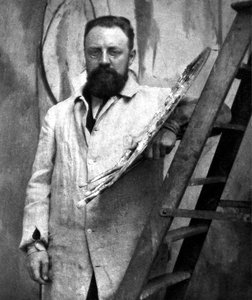
1869 - 1954 , France
Commission a breathtaking hyperrealistic still life painting with BuyPopArt. Preserve cherished culinary moments as timeless heirlooms. Museum-quality craftsmanship, personalized service & a lasting legacy for your home.
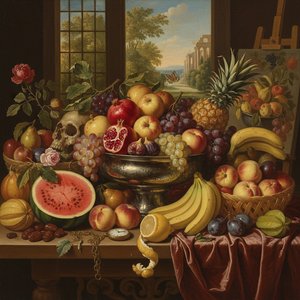
Explore the rich history of still life painting & the symbolism of fruit across art movements. Discover masterpieces from Caravaggio to Cézanne with BuyPopArt – expert guidance & museum-quality reproductions.

Explore the revolutionary Fauvism movement & Henri Matisse's bold use of color! Discover key characteristics, iconic artworks, and its lasting impact on modern art history with BuyPopArt.
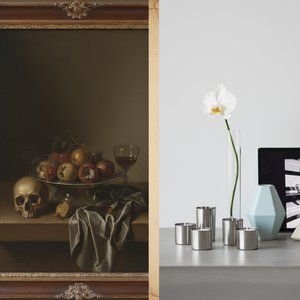
Explore the rich history & symbolism of still life painting with BuyPopArt. Discover masterpieces from the Dutch Golden Age, learn about vanitas art, and find expert guidance for collecting timeless artworks.

Explore the captivating world of Severin Roesen, a major American still life painter influenced by Dutch masters. Discover his lush compositions and the symbolism within his art – a window into 19th-century America.


Stay updated with the latest art news, exclusive offers, and decoration ideas.
Tell us about your project and our art experts will provide you with 3 personalized art suggestions.
Let Us Curate 3 Options Just for You - Free!


 Buy print
 Send
Send Share
Share
 Details

 Download
 Similars
 X-Ray
X-Ray Diaporama

 Read More
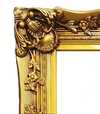
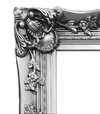
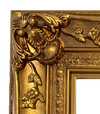
 Glass option is only available in size under 110 CM