x


 WatercolorWallArtPost-Impressionism
 190119th Century
 48.0 x 31.0 cm
 Formerly collection Bernhard Koehler
Hand-painted oil on canvas in your size and frame, made to order by our artists.





























Pick from our preset sizes that match the artwork's original proportions.

You may enter your own dimensions to fit a specific frame or space. If your selected size does not match the original image's proportions, we will either crop the artwork or extend the painting with additional hand-painted elements. A digital mockup will be sent for your approval before production begins.
Please note that the on-screen preview does not reflect the actual cropping or extension. Only the mockup will accurately show the final composition.
While custom sizes are available, we recommend selecting a dimension from the predefined list to preserve the original proportions.
Worldwide Delivery () in 3/4 weeks instead of standard 5 weeks. (16 July). No compromise on quality.


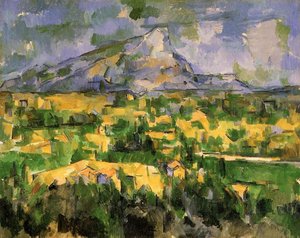
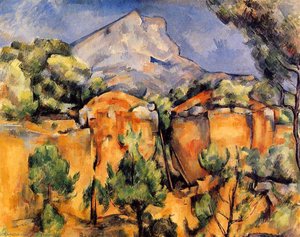
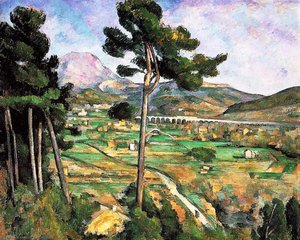
Mont Sainte-Victoire Seen from Les Lauves
Reproduction Size
Paul Cézanne’s “Mont Sainte-Victoire Seen From Les Lauves,” completed in 1901, stands as a cornerstone of Post-Impressionist art—a testament to Cézanne's unwavering dedication to capturing the essence of nature through innovative artistic vision. More than just a landscape depiction, it embodies a profound exploration of form and color, marking a decisive break from Impressionistic fleetingness and propelling him toward the groundbreaking experimentation that would define Cubism.
The painting’s historical context is crucial to understanding its significance. Cézanne was grappling with artistic anxieties and facing criticism from contemporaries who rejected his unconventional style. Yet, he persevered, driven by an inner conviction that he was charting a new path for art—a path championed by fellow artists like Camille Pissarro and Ambroise Vollard.
“Mont Sainte-Victoire Seen From Les Lauves” transcends mere representation; it communicates Cézanne’s emotional engagement with his subject. The mountain isn't simply observed but internalized, becoming a symbol of permanence and contemplation amidst the dynamism of life. Its imposing presence invites viewers to consider questions of form, color, and perception—a legacy that continues to inspire artists and captivate audiences today.
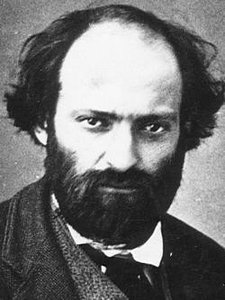
1839 - 1906 , France
Journey through 25 iconic artworks by Paul Cézanne – a master of Impressionism and Post-Impressionism. Explore his landscapes, still lifes, and the stories behind these timeless masterpieces. Discover museum-quality reproductions & curated decor at BuyPopArt.com.
Explore the emotional power of pastel palettes in art history! Discover Impressionism, Post-Impressionism & color psychology insights. Find museum-quality reproductions at BuyPopArt.

Explore the fascinating world of color theory in painting! Discover how Impressionist & Post-Impressionist masters used vibrant hues to evoke emotion and create lasting impact. Expert insights for collectors & art enthusiasts.

Explore the life & work of Charles Wild, a master of Post-Impressionist landscape. Discover his architectural engravings, watercolour techniques, and evocative depictions of atmospheric emotion. Expert insights for collectors.

Explore the nuances of Impressionism & Post-Impressionism with . Expert insights for collectors on style, investment, and acquiring museum-quality reproductions.


Stay updated with the latest art news, exclusive offers, and decoration ideas.
Tell us about your project and our art experts will provide you with 3 personalized art suggestions.
Let Us Curate 3 Options Just for You - Free!


 Buy print
 Send
Send Share
Share
 Details

 Download
 Similars
 X-Ray
X-Ray Diaporama
 Read More







 Glass option is only available in size under 110 CM