x


Hand-painted oil on canvas in your size and frame, made to order by our artists.
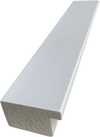
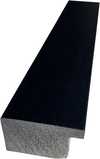
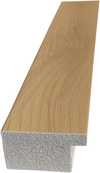
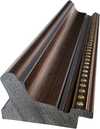
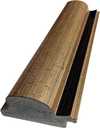
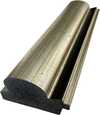
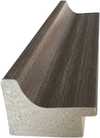
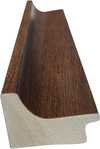
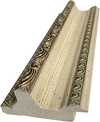
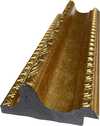
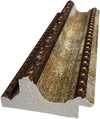
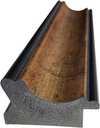
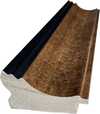
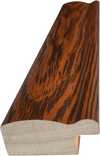
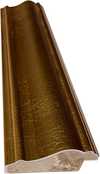
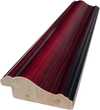
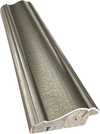
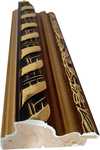
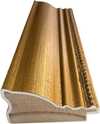
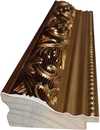
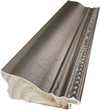
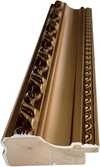
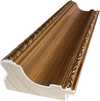
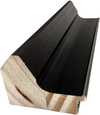
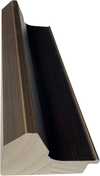
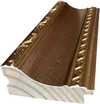
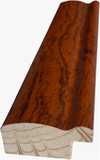
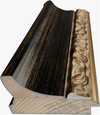
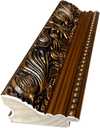
Pick from our preset sizes that match the artwork's original proportions.

You may enter your own dimensions to fit a specific frame or space. If your selected size does not match the original image's proportions, we will either crop the artwork or extend the painting with additional hand-painted elements. A digital mockup will be sent for your approval before production begins.
Please note that the on-screen preview does not reflect the actual cropping or extension. Only the mockup will accurately show the final composition.
While custom sizes are available, we recommend selecting a dimension from the predefined list to preserve the original proportions.
Worldwide Delivery () in 3/4 weeks instead of standard 5 weeks. (16 July). No compromise on quality.


Parahi te Marae (also known as There Lies the Temple)
Reproduction Size
“Parahi te Marae,” also known as “There Lies the Temple,” is more than just a landscape painting; it's a portal into the vibrant, complex world of Paul Gauguin’s Tahitian sojourn. Created in 1892 and currently residing within the esteemed Philadelphia Museum of Art, this oil on canvas masterpiece encapsulates the artist’s revolutionary approach to color, form, and his profound fascination with indigenous cultures. It's a work that simultaneously evokes tranquility and hints at an underlying spiritual depth, inviting viewers into a realm where nature and humanity intertwine.
The scene unfolds upon a gently sloping hillside, dominated by a majestic mountain rising in the distance – its slopes draped in a rich tapestry of yellow grasses. These aren’t merely decorative elements; they represent the fertile earth, the lifeblood of Tahiti, and subtly echo the golden hues prevalent in Polynesian art and mythology. Scattered throughout this idyllic setting are fields bursting with an array of wildflowers, their colors—deep blues, vibrant reds, and sunny yellows—creating a dazzling spectacle that immediately draws the eye. A few strategically placed trees add depth and dimensionality to the composition, grounding the scene while simultaneously allowing the eye to wander into the distance.
However, it’s not just the landscape that commands attention. Perched atop the mountain stands a solitary figure – an enigmatic presence that immediately establishes a connection between the viewer and the artwork. While his identity remains deliberately ambiguous, he appears to be contemplating the vista below, perhaps absorbing its beauty or seeking guidance from the natural world. This single human element serves as a powerful counterpoint to the vastness of the landscape, reminding us of our own place within the grand scheme of existence. Gauguin’s deliberate placement of this figure is not merely decorative; it's an invitation for introspection and contemplation.
“Parahi te Marae” stands as a quintessential example of Gauguin’s distinctive post-impressionist style. He moved decisively away from the Impressionists’ focus on capturing fleeting moments of light, instead prioritizing expressive color and symbolic representation. The painting's palette is extraordinarily bold – saturated yellows, deep blues, and fiery reds dominate, creating an intense visual experience. These aren’t naturalistic colors; they are imbued with emotional weight, reflecting Gauguin’s subjective response to the Tahitian landscape.
Furthermore, the artist’s brushstrokes are deliberately loose and gestural, eschewing meticulous detail in favor of conveying a sense of immediacy and feeling. This technique, reminiscent of Synthetism – a movement Gauguin pioneered – sought to distill the essence of an object or experience into its most fundamental elements. The painting isn't about replicating reality; it’s about communicating a deeper truth through color and form. The influence of Tahitian art is undeniable, particularly in the simplified forms and bold use of color, echoing traditional Polynesian motifs.
“Parahi te Marae” offers a profound glimpse into Gauguin's transformative journey to Tahiti. His time there was not simply a vacation; it was a deliberate attempt to escape Western civilization and immerse himself in a culture he believed held the key to spiritual enlightenment. The painting is deeply rooted in this experience, reflecting his fascination with Polynesian mythology, rituals, and social structures. The “marae,” or temple, alluded to in the title, represents a sacred space within Tahitian society – a focal point for communal gatherings and religious ceremonies.
Beyond its cultural significance, the painting also reveals Gauguin’s evolving artistic philosophy. He was increasingly interested in exploring themes of primitivism—a rejection of European art conventions in favor of simpler, more direct forms of expression. “Parahi te Marae” embodies this shift, presenting a world stripped bare of unnecessary ornamentation and focused on the essential elements of nature and human experience.
BuyPopArt offers meticulously crafted hand-painted reproductions of “Parahi te Marae,” allowing you to bring this iconic artwork into your own space. Our skilled artists painstakingly recreate Gauguin's bold colors, expressive brushstrokes, and evocative composition, ensuring that the essence of the original painting is faithfully preserved. Whether you’re an art enthusiast, a collector seeking a statement piece, or simply someone who appreciates beauty, our reproductions provide a stunning way to experience the power and allure of this masterpiece.
Explore our range of sizes and canvas options to find the perfect reproduction for your home or office. Each artwork is delivered with a certificate of authenticity, guaranteeing its provenance and quality. Discover the magic of “Parahi te Marae” – a timeless testament to Paul Gauguin’s artistic genius.
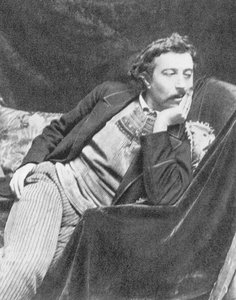
1848 - 1903 , France

Explore the captivating landscapes of Henri Moret, a master of Post-Impressionism. Discover his unique style, key works, and legacy in our expert guide. Learn about collecting Moret's art & its investment potential.
Explore the fascinating relationship between color & emotion in art history. Discover how master artists like Matisse & Gauguin used vibrant hues to evoke feelings and cultural meanings. A deep dive for classic art enthusiasts.

Discover the captivating landscapes of Maxime Maufra, a key figure in Post-Impressionism. Explore his mastery of light, atmosphere & connection to the Pont-Aven School. Learn about collecting his work at BuyPopArt.

Explore the profound emotional depth & innovative techniques of Post-Impressionism with BuyPopArt. Discover Cézanne, Van Gogh, Gauguin & more – and their lasting impact on modern art.

Explore the profound emotional depth & formal innovations of Post-Impressionism with our expert guide. Discover Cézanne, Van Gogh, Gauguin & more. Learn about art history, collecting, and investing in this pivotal movement.


Stay updated with the latest art news, exclusive offers, and decoration ideas.
Tell us about your project and our art experts will provide you with 3 personalized art suggestions.
Let Us Curate 3 Options Just for You - Free!


 Buy print
 Send
Send Share
Share
 Details

 Download
 Similars
 X-Ray
X-Ray Diaporama


 Read More
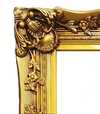
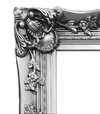
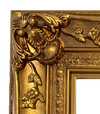
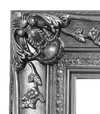
 Glass option is only available in size under 110 CM